









The cheapest technician you will ever add to your shop is the one who doesn't leave.
This month, Automotive News reported on a Mercedes-Benz dealership that hands its technicians oversized, Publishers Clearing House-style checks as a retention tool. It sounds like a gimmick. It isn't. It's a store choosing to make technician pay and performance visible, to the tech, to their peers and to everyone walking through the shop.
Most dealers treat the technician shortage as a recruiting problem: more job ads, bigger sign-on bonuses, poaching from the store down the street. But every tech you hire has to be onboarded, trained on your brand and your processes, and brought up to speed in your bays. Every tech who walks out takes that investment with them. If your bays have a revolving door, no amount of hiring will fill them.
Here's how to treat the shortage as what it mostly is: a retention problem you can do something about.
Your customers can feel the shortage now
The technician shortage used to be an industry conversation. It's now a consumer one. In early November, Rochester public radio station WXXI ran a segment on rising vehicle costs and the shortage of technicians, framing it as something that's "contributing to higher costs for drivers."
For a service department, that shows up in three places customers notice right away:
- Longer waits for appointments, which push customers toward whichever shop can see them sooner.
- Longer repair times, which mean more loaners, more frustrated calls to advisors and lower satisfaction scores.
- Higher costs, which make the gap between dealer and independent pricing harder to explain.
Each of those is a retention risk for automotive service retention, not just your staff. When a strong tech leaves, the effects show up in your CSI scores and your customer-pay revenue long before you've hired a replacement.
Make recognition something people can see
The giant-check idea works for a simple reason: technicians are often the least visible people in the dealership. Salespeople get the board, the bell and the end-of-month spotlight. Techs, who frequently produce a large share of the store's gross, work behind a wall the customer never sees.
Recognition doesn't need a big budget. It needs to be public, specific and regular:
- Show the numbers. Post flagged hours, comebacks avoided and certifications earned where the whole team can see them.
- Recognize in front of peers. A check handed over at a shop meeting lands differently than a line on a pay stub.
- Tie praise to customers. When a customer review names the tech who diagnosed a problem the first time, share it.
- Make the path visible. Techs should know exactly what it takes to move from lube tech to master tech, and what each step pays.
The dealers getting this right are being noticed. Lithia announced on Nov. 10 that 26 of its stores were named among Automotive News' 2026 Best Dealerships to Work For. A reputation as a good place to work becomes a recruiting advantage of its own, which makes the hiring side of the problem easier too.
Treat training as a retention benefit
Vehicles are getting harder to diagnose, and technicians know it. A 2025 TOPDON survey, cited in a Nov. 13 article on new MEMA aftermarket data, found that 67% of auto technicians named vehicle network and communication systems as their most challenging diagnostic task. 39% reported difficulties with EV and hybrid components.
That's a retention risk and an opportunity. A tech who feels out of their depth on the jobs coming into the bay is a tech who starts looking around. A tech who's being trained ahead of that curve has a reason to stay.
- Put training where techs struggle. Prioritize electrical, network diagnostics and hybrid/EV high-voltage work.
- Pay for certifications, and pay more after them. Training that doesn't change a tech's earnings feels like a favor to the dealership.
- Pair veterans with newer techs. Mentoring passes on know-how and gives senior techs a role worth staying for.
- Protect training time. If training always loses to a full schedule, techs will notice which one you value.
When training is clearly an investment in the tech's career, it stops being a cost center and becomes one of the best reasons to stay and grow your fixed ops growth engine.
Fix the workflow that eats a tech's paycheck
For a flat-rate technician, every minute spent waiting is money lost. Waiting on parts, on an advisor's approval or on a work order with a vague complaint all cut into what a tech can flag. Few things push a good tech out the door faster than a week of lost hours they could have flagged.
Look for the friction in your own shop:
- Dispatch. Are jobs matched to skill level, or do your best techs get the gravy and the rest fight over leftovers? Either way, someone feels it in their pay.
- Parts staging. Are parts pulled and waiting before the vehicle hits the lift, or does the tech walk to the counter and wait?
- Advisor handoffs. How long does a tech wait for a customer to approve recommended work? Faster approvals mean less time with a car sitting half-finished on the lift.
- Clear repair orders. A precise customer concern written up at check-in saves diagnostic time in the bay.
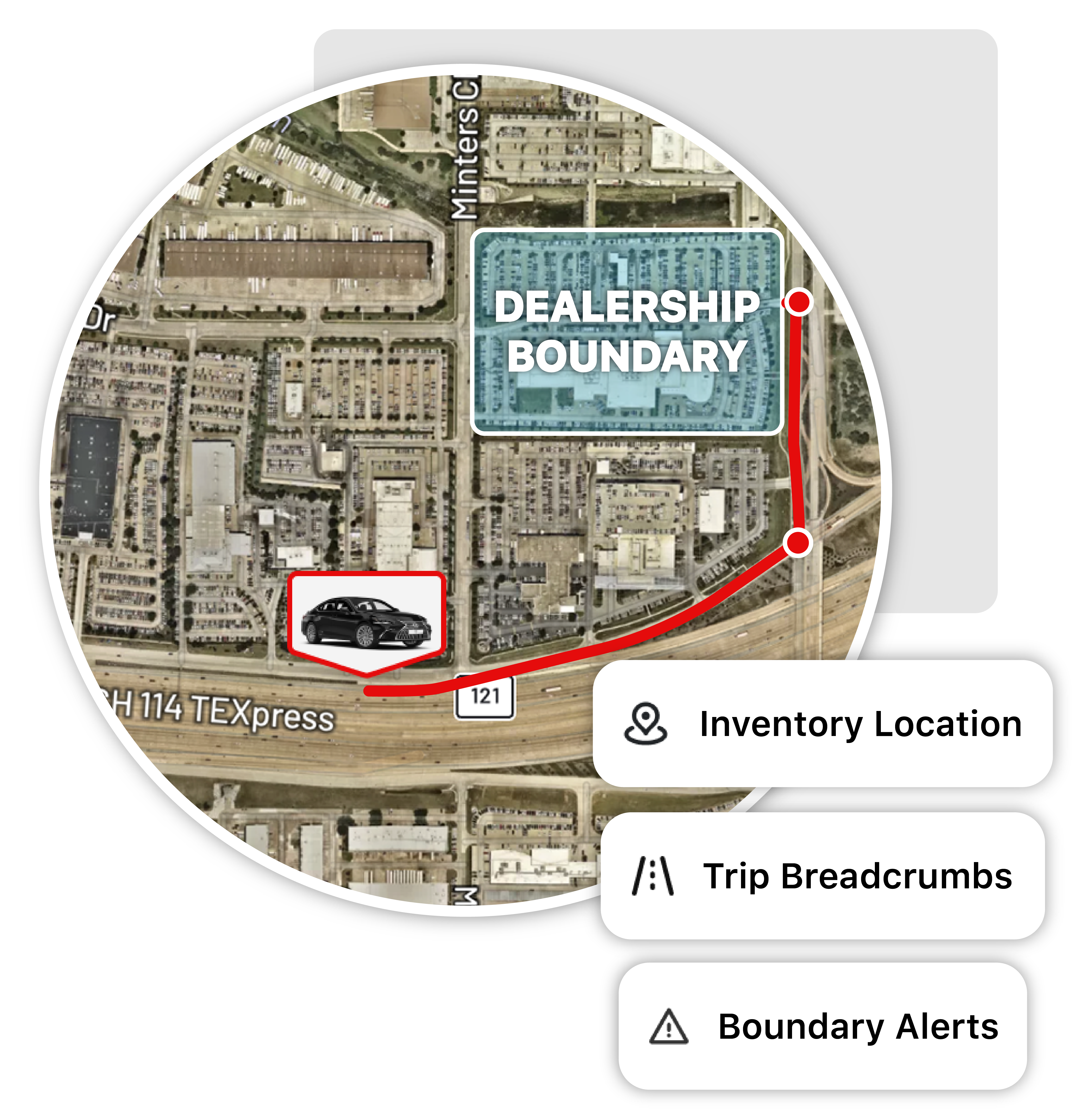
Service technology can help here: digital inspections with photos and video, text-based customer approvals, connected car technology, and dispatch tools that show workload in real time - alongside disciplined dealership lot management so technicians never lose flagged time searching for parked vehicles or vehicle key management bottlenecks. But the goal isn't the software. It's giving your techs more of their day to do the work they're paid for.
What steals the most billable time from your flat-rate technicians each week?
Pick the bottleneck you run into most 👇
Start with a stay interview
You don't need a new pay plan or a training budget to start this week. You need a conversation.
A stay interview is an exit interview held while the tech still works for you. Sit down one-on-one with your top five technicians this quarter and ask:
- What keeps you working here?
- What's the most frustrating part of your week?
- What would tempt you to leave?
- What training or certification would you want next?
- Do you know what it takes to move to the next pay level?
Then act on at least one thing each tech tells you, and tell them you did. The answers will show you where your shop is losing techs, usually well before anyone hands in notice.
The dealers who come out of the shortage strongest won't be the ones with the biggest recruiting budgets. They'll be the ones whose techs never had a reason to leave.