The Ikon Blog

Automotive Service Retention: Keep Customers Coming Back in 2026

Christopher Schouten
Vice President of Marketing
Updated on
June 17, 2026

The service drive has long been the most reliable profit center for car dealerships. But the data from 2025 sounds a clear alarm.

Only 54% of customers with vehicles two years old or newer returned to the dealership for service, a sharp drop from 72% just two years prior. As the average age of vehicles on the road climbs to 12.8 years and independent shops compete aggressively for market share, building a robust automotive service retention strategy for 2026 is no longer optional. It is a financial necessity that directly impacts fixed operations revenue and long-term sales loyalty.

For fixed operations directors and dealership owners watching their bay counts decline, the challenge is clear. The industry has lost 12% of service visits to competition since 2018, and the dealership share of overall service visits has fallen from 33% to 29%. Reversing this trend requires a deliberate, data-driven approach that addresses the root causes of customer defection and leverages modern technology to build trust and convenience.

The Stakes of Automotive Service Retention

Service and parts operations generated over $156 billion in 2024, accounting for more than 270 million repair orders. While this revenue stream represents only 12% of a dealership's total revenue, it generates a staggering 49% of its gross profits. In 2025, service and parts represented 13.2% of a dealership's total income, up from 12.4% in 2023, highlighting the growing importance of fixed operations to overall financial health. The average dealership service and parts revenue reached approximately $9.23 million in 2025.

The long-term financial implications of poor retention extend far beyond the service bay. Industry research shows that customers who service their vehicle at the dealership are 74% likely to purchase their next vehicle from the same store. With a customer lifetime value estimated at $47,700 per retained customer, every service customer lost to an independent shop or quick-lube chain represents a significant hit to future sales and service revenue. Since 92% of automotive sales are untraceable in current CRM systems, the service drive is often the only reliable touchpoint a dealer has to build a lasting relationship.

Why Service Customers Are Leaving

Understanding the root causes of defection is the first step in reversing the trend. The research points to three primary drivers: poor communication, cost perception, and inconvenience.

The Communication Gap

A full 45% of vehicle owners report being dissatisfied with their dealership service experience, primarily due to unexpected costs and poor communication. Customers do not like surprises. When a technician finds additional work, the way the dealership communicates that finding makes or breaks the relationship. Using video and photo validation to explain repairs increases consumer trust by 53% and engagement by 45%. Repair orders that include visual evidence average $160 compared to $103 for those that do not, showing that customers are more willing to approve recommended work when they see the proof.

The Trust Gap on Pricing

There is a widespread perception that dealerships are more expensive than independent repair shops. However, this is not supported by current data. In 2025, the average dealership repair cost was $261, which is actually lower than the $275 average at general repair shops. Despite this pricing advantage, 55% of vehicle owners think it is very important to be able to compare service costs online. Dealerships that fail to offer transparent, upfront pricing on their website are losing potential customers to competitors before they even call for an appointment.

The Convenience Gap

Time is a precious commodity for car owners. Mass-market vehicle owners currently wait an average of 5.2 days for a dealership service appointment, while luxury owners wait 5.4 days. These wait times push customers toward independent shops that can often provide same-day or next-day service. Additionally, 12% of dealership repairs are not completed correctly on the first attempt. Of those customers who experience a comeback, 50% never return to the same facility. Long wait times and poor first-visit accuracy are major contributors to the decline in automotive service retention.

Service Experience Factor Dealership Independent Shop
Average Repair Cost (2025) $261 $275
Share of Overall Service Visits 29% 71%
Average Appointment Wait Time (Mass-Market) 5.2 days Varies

Actionable Strategies to Boost Service Retention in 2026

Reversing the downward trend requires a deliberate strategy built on technology, transparency, and customer experience. Here are the key areas where dealerships should focus their efforts.

Automate Personalized Service Marketing

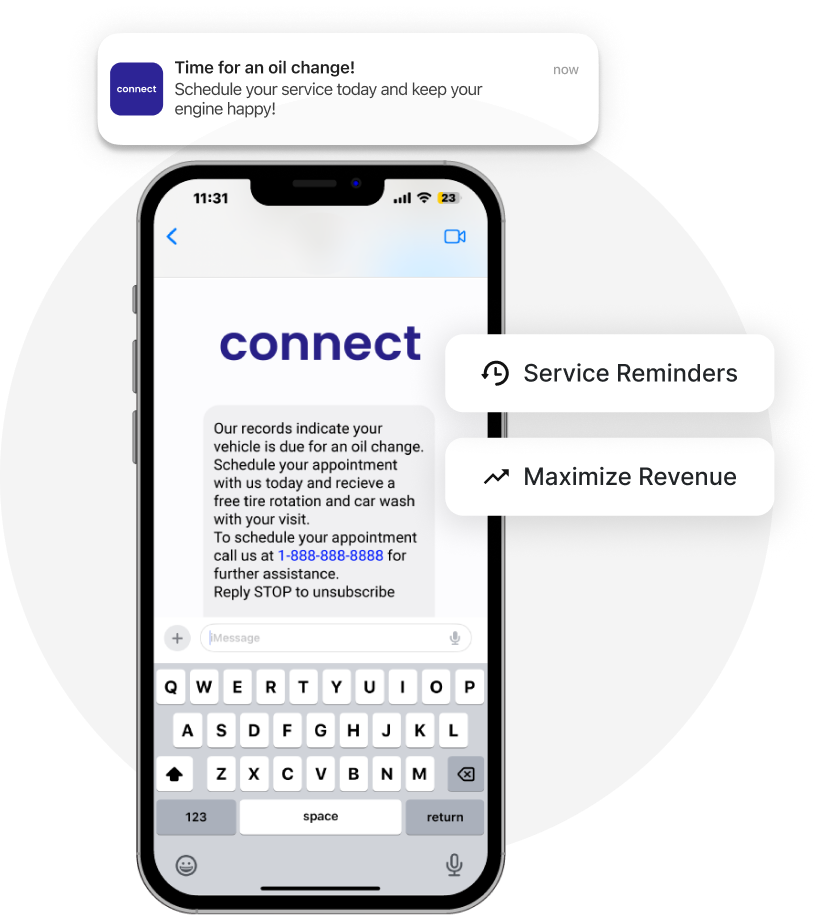
General marketing blasts are no longer effective. Automated marketing platforms designed specifically for dealerships can trigger individualized messages based on vehicle mileage, time since the last visit, or even battery health alerts from connected car technology. These targeted communications see significantly higher engagement than generic emails. Automated emails achieve 70.5% higher open rates and 152% higher click-through rates than standard marketing messages. Investing in marketing automation can deliver a 544% ROI over three years while consistently driving customers back to your service bays. Mileage-triggered texts and appointment scheduling tools keep the dealership top-of-mind without requiring manual effort from your staff.

Timing is Everything

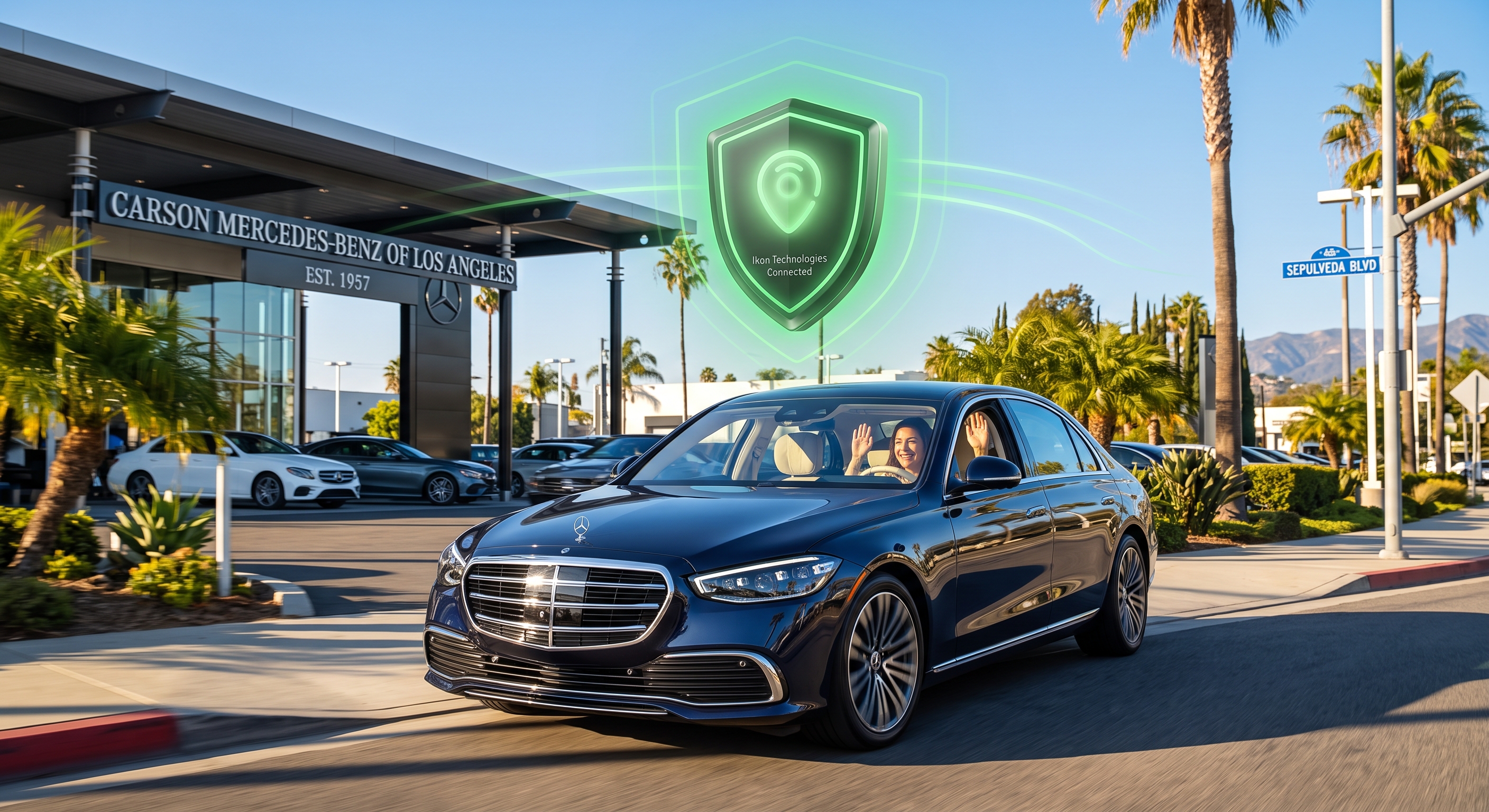
Ikon Technologies Smart Marketing puts dealer service retention on auto-pilot by using the installed GPS device to send mileage-triggered service reminders at the exact moment that service is required, boasting a 32.7% click rate.

Leverage Video and Visual Communication

Trust is the currency of service retention. Implementing a process where technicians record a video walk-around of the vehicle to show worn tires, fluid levels, or brake thickness can transform the customer experience. This practice increases trust by 53% and allows advisors to communicate the value of recommended work effectively. Since 88% of consumers state that their service experience directly impacts their likelihood to purchase a vehicle from that dealer again, investing in digital vehicle inspection tools is one of the highest-leverage actions a dealership can take.

Capture the Growing EV Service Business

The rise of electric vehicles presents a unique retention opportunity for dealerships. Data shows that EV owners have a 67% dealer service visit share, compared to just 28% for internal combustion engine owners. Hybrid owners sit at 50%. As the EV parc grows, dealerships that invest in certified EV technicians, charging infrastructure, and proactive communication tailored to EV service needs will lock in a highly loyal customer base. This is a segment where independent shops currently have less penetration, giving dealers a strategic advantage.

Create a Frictionless Customer Experience

From the moment a customer books an appointment to the moment they pick up their car, every interaction should be smooth and professional. Offering online scheduling, mobile payment options, and transparent digital inspections reduces customer anxiety. Addressing the 12% first-visit repair failure rate through better technician training and quality control processes is critical. A seamless experience builds the confidence required to ensure a customer returns for their next service and considers your dealership for their next vehicle purchase.

The Financial Impact of a Retention Strategy

The numbers speak for themselves. Service and parts revenue for the average dealership reached approximately $9.23 million in 2025, a 33% increase over eight years. With 49% of gross profits coming from service, even a small percentage point improvement in retention rates translates directly to the bottom line. Considering that 88% of consumers state that their service experience directly impacts their likelihood to purchase a vehicle from that dealer again, the service drive is arguably the most important sales tool a dealership owns.

Focusing on automotive service retention provides a dual benefit. It stabilizes high-margin fixed operations revenue and creates a steady stream of loyal, high-intent buyers for the sales department. In a market where only 43.9% of customers return to purchase the same brand, the dealership that wins the service battle wins the sales war.

Frequently Asked Questions

Why is dealership service retention declining?

Several factors are driving the decline. Customer expectations for convenience and transparency have risen, while dealerships have struggled with long wait times, poor communication about repairs, and the perception of high costs. Independent shops have become more aggressive in capturing market share, and the average age of vehicles continues to rise.

How can a dealership improve its service retention rate?

Dealerships can improve retention by adopting automated marketing tools that send mileage-triggered reminders, implementing video inspections to build trust, offering transparent online pricing, and reducing appointment wait times. Focusing on first-visit repair accuracy and creating a seamless digital experience are also critical factors for success.

What is the impact of service retention on overall dealership profitability?

Service and parts generate 49% of a dealership's gross profits while representing only 12% of total revenue. Improving retention directly increases the number of repair orders, driving higher fixed operations income. Additionally, loyal service customers are 74% more likely to buy their next car from the same dealership, increasing sales volume.

Does the growth of electric vehicles affect service retention?

Yes, significantly. EV owners currently visit dealerships for service at a 67% rate, compared to just 28% for gas-powered vehicle owners. This presents a major opportunity for dealerships to invest in EV service capabilities and secure a loyal, growing customer base before independent shops become dominant in the segment.

Get a Demo

Discover why hundreds of franchise dealers trust Ikon to overcome growth challenges and maximize velocity, profitability and loyalty!

You will also like…