








Every General Manager and Sales Director watches the front-end gross line on their monthly financial statement with intense focus. Yet, in retail automotive, margin is rarely surrendered during a single difficult customer negotiation. Instead, it quietly bleeds away on the blacktop - hour by hour, day by day - through excessive lot dwell time.
The holding clock does not wait for a vehicle to be photographed or merchandised. It begins the exact second a transport carrier drops its load on your apron. With factory delivery volumes steady and floor plan borrowing rates elevated, a new vehicle that sits stalled between freight intake and front-row placement is actively consuming working capital before a retail customer ever sees the window sticker.
To insulate store profitability, dealership leadership must build a clear operational firewall between the primary engine of floor plan expense - new car intake and speed-to-pavement - and the distinct velocity workflows required to manage used trade-ins.
New Car Arrival Velocity: Compressing the Freight-to-Frontline Gap
Dealership accounting often treats incoming factory shipments as passive inventory until the stock-in paperwork reaches accounting. Operationally, this lag is where the largest floor plan bleed occurs. As factory invoice dates trigger immediate interest obligations, transport intake friction turns fresh allocation into an immediate carrying cost.
On an average $42,000 new vehicle financed under current commercial floor plan terms, the holding carry runs between $11 and $18 per day in pure interest expense alone. Delays in standard intake procedures compound that financial drag across several operational choke points:
Units sitting staged on delivery pads or secondary lots waiting on bill-of-lading verification and physical stock-tagging.
Pre-Delivery Inspection work orders queued behind customer-pay service lanes rather than cleared through a dedicated intake track.
Unmerchandised new arrivals missing high-intent digital search syndication during the first week of factory floor-plan release.
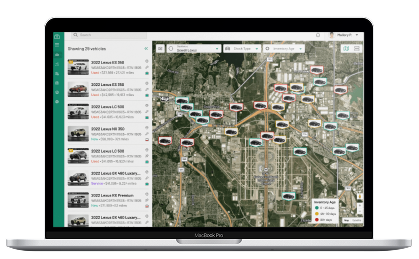
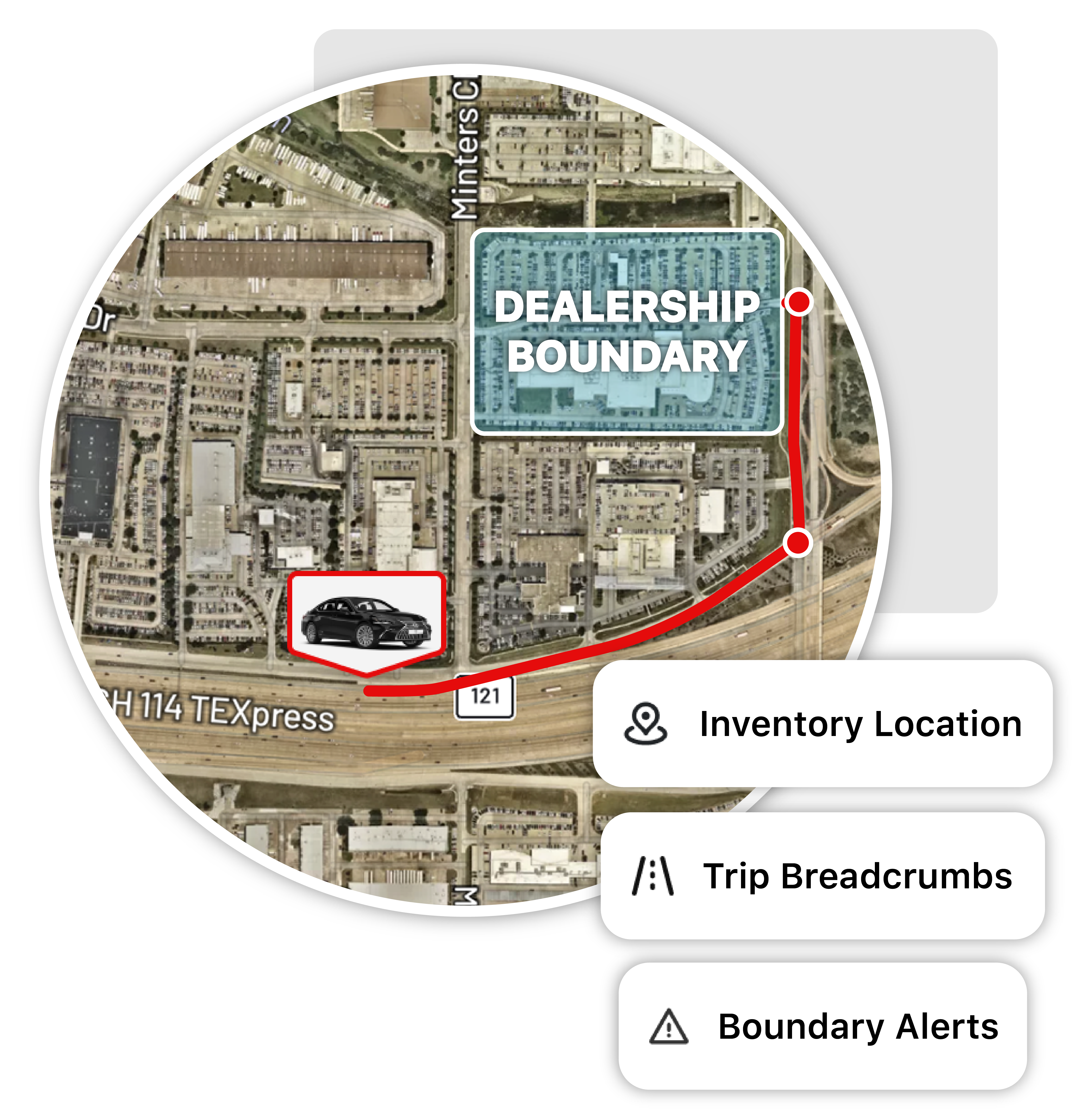
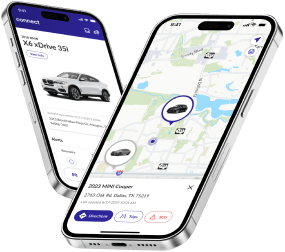
Eliminating delivery pad delays requires instant location awareness. When new arrivals are tagged immediately upon transport drop with modern dealership lot management, porters, service directors, and sales managers can track the physical progression of every VIN in real time. Ensuring new units are mapped across holding lots also directly mitigates theft exposure, pairing speed with automated stolen vehicle recovery protection from day one.
New Inventory Arrival & Holding Cost Estimator
Calculate the compounding floor plan drag caused by intake delays and extended new car dwell times.
Projected total floor plan carry across active batch: $270,000
The New Inventory Velocity SOP: 48 Hours from Carrier to Pavement
Top-performing dealership groups establish strict Service Level Agreements (SLAs) designed to push fresh factory arrivals from carrier delivery to customer-facing front lines within 48 hours:
-
1Hour 0 - 4: Immediate Electronic Intake & Telematics Tagging
Porters scan VINs directly from the transport manifest, install connected lot telematics, and register the unit in the lot management system. No vehicle sits parked without an assigned digital stall coordinate.
-
2Hour 4 - 24: Express Pre-Delivery Inspection (PDI) Lane
PDI tickets bypass routine service-advisor queues. Technicians run safety checks, install OEM transport fuses, inspect tire pressures, and confirm 12V battery health under a standardized, flat-rate intake line.
-
3Hour 24 - 48: Wrap Removal, Merchandising, & Showroom Staging
Protective wrap is removed, window stickers and addendum labels are printed, and the vehicle is detailed and staged in primary front-row inventory rows with real-time VDP syndication.
Where does your dealership lose the most time between factory carrier delivery and the sales floor?
Used Vehicle Best Practices: Managing Mechanical Recon & Market Decay
While new vehicles battle straight floor plan interest, used vehicles face a double penalty: compounding carry costs combined with aggressive market depreciation. If a pre-owned acquisition sits idle waiting on mechanical estimate sign-offs, front-end gross evaporates before a retail buyer ever sets foot on the lot.
| Holding Age | Inventory Reality | Financial Impact | Required Store Intervention |
|---|---|---|---|
| Days 0 - 14 | Peak Retail Gross Window | 100% target front-end gross potential. | Enforce 72-hour trade-to-line mechanical recon; syndicate custom photography immediately. |
| Days 15 - 30 | Market Equilibrium | Daily holding costs ($35 - $50/day) begin eating into margin. | Audit VDP search volume; execute initial digital price realignment if lead volume lags. |
| Days 31 - 45 | Accelerated Margin Decay | Carrying cost absorbs 40% to 60% of projected gross. | Reposition unit to front row; attach sales desk bonuses; verify battery health. |
| Days 46+ | Capital Preservation Mode | Sub-zero front-end profitability; wholesale risk. | Liquidate via digital wholesale lanes or price aggressively to free working capital. |
Connecting both variable and fixed operations under a unified velocity strategy also pays downstream dividends for service absorption. When vehicles move quickly through intake, service advisors have the operational bandwidth to deploy automated service retention campaigns that keep customers returning to the store long after the purchase cycle concludes.
Velocity Protects Dealership Margin
In modern automotive retail, lot turn is the fundamental driver of store return on equity. Whether managing incoming factory transport trailers or accelerating mechanical trade-in turnaround, eliminating dwell bottlenecks protects gross profit, slashes floor plan interest, and ensures your inventory works for your bottom line.