The Ikon Blog
The 5,000-Mile Cliff: How Mileage-Triggered Service Retention Delivers a 32.7% Response Rate
Ditch "best-effort" estimation of vehicle mileage for precision telematics data that drives your service drive
Every franchise dealer principal knows the statistic, but few like to dwell on it: by month 12 to 14 of ownership, roughly 70% of vehicle buyers defect from the franchise service lane. They drift toward neighborhood independent mechanics, regional tire centers, and quick-lube chains.
The industry has historically accepted this defection as inevitable depreciation behavior. But in an era where new-vehicle margins have normalized and dealership holding costs remain elevated, fixed operations cannot afford to lose the service absorption battle.
The real culprit isn't customer disloyalty - it is a calendar guessing game.
For decades, the standard dealer marketing cadence has operated on static assumptions: send a mailer or generic email five months after vehicle purchase, or calculate an arbitrary 12,000-mile annual average.
This model fails on both ends of the driving spectrum:
In both instances, the dealership breaks the connection right when owner habits are being formed.
Customer retention is won on relevance and immediacy. When a vehicle crosses 5,000 miles, that threshold shouldn't be guessed by a DMS algorithm; it should be reported directly by the vehicle.
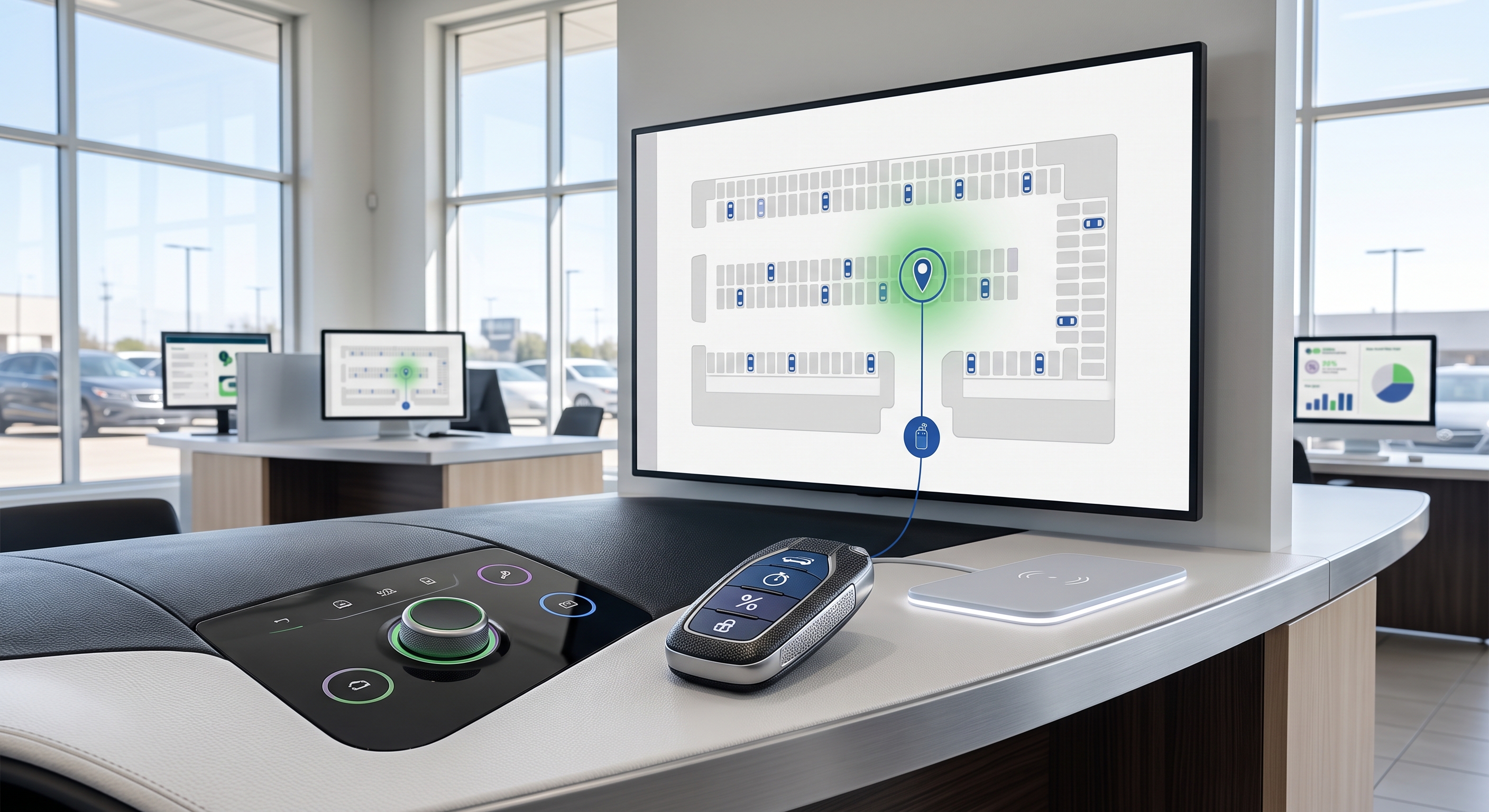
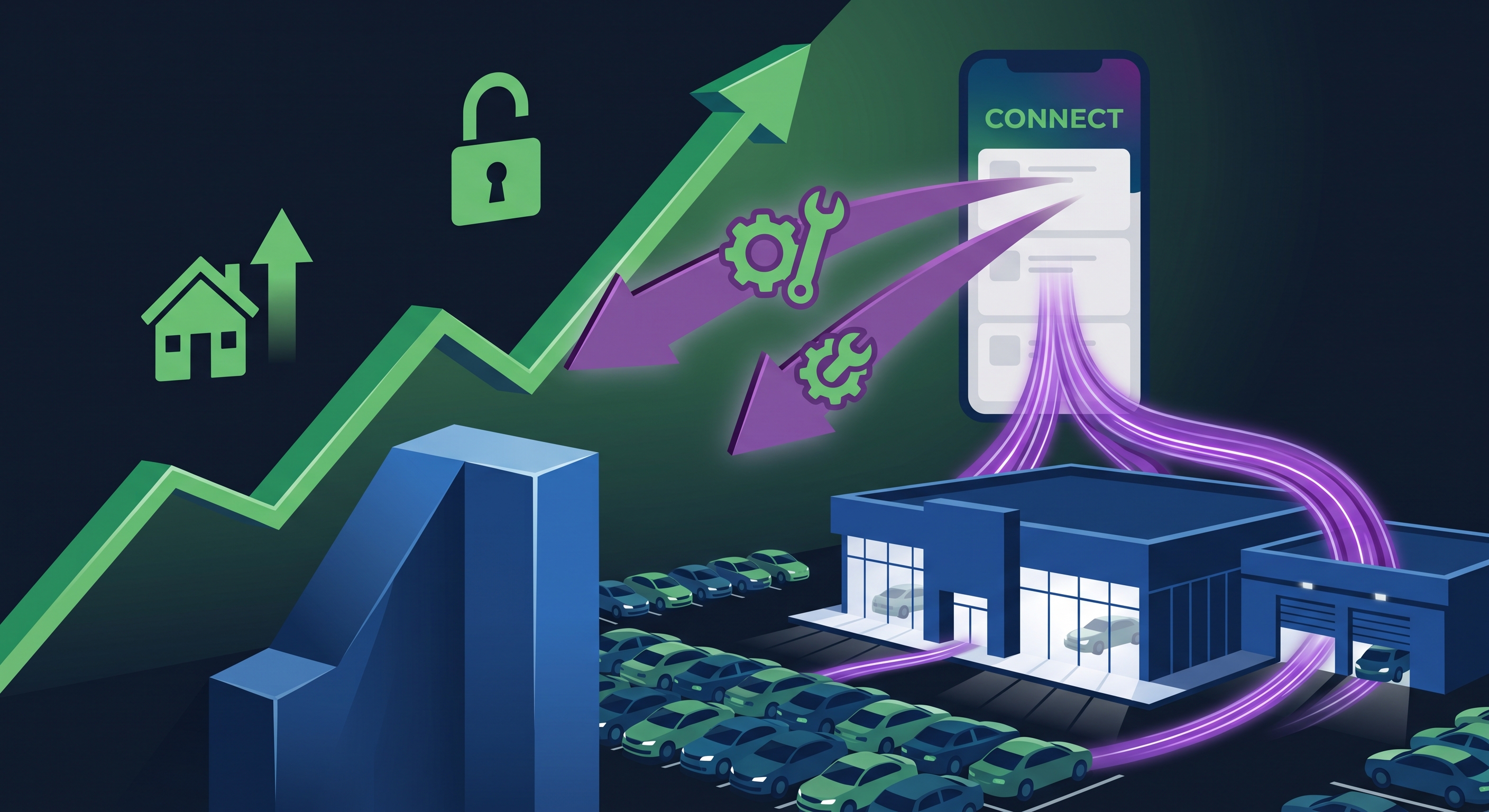
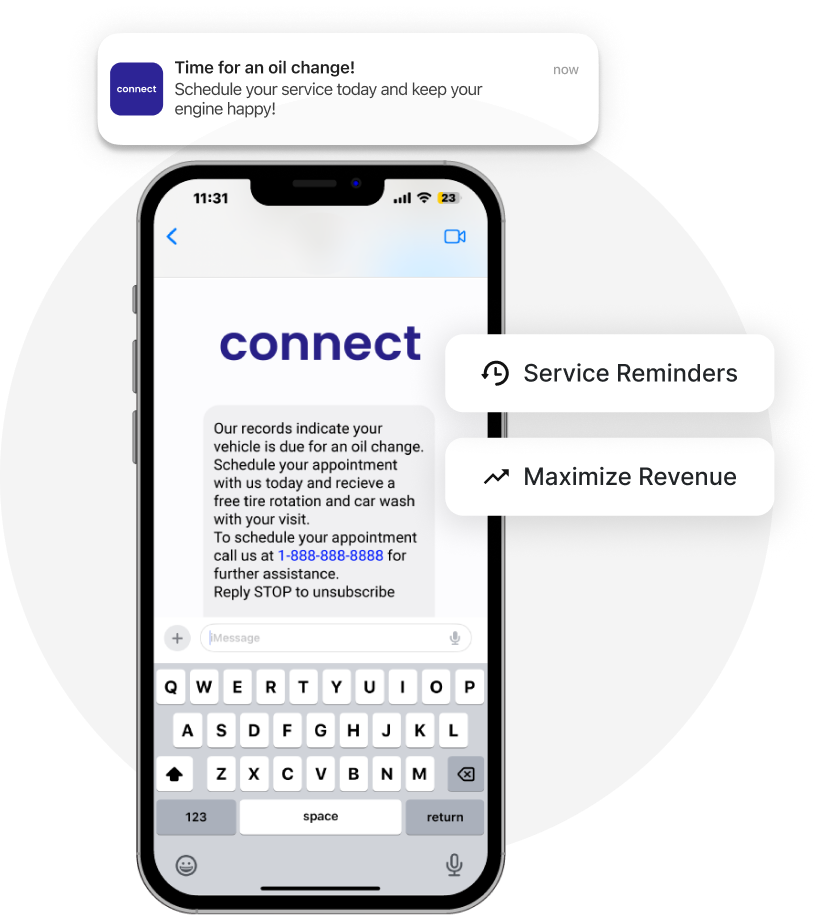
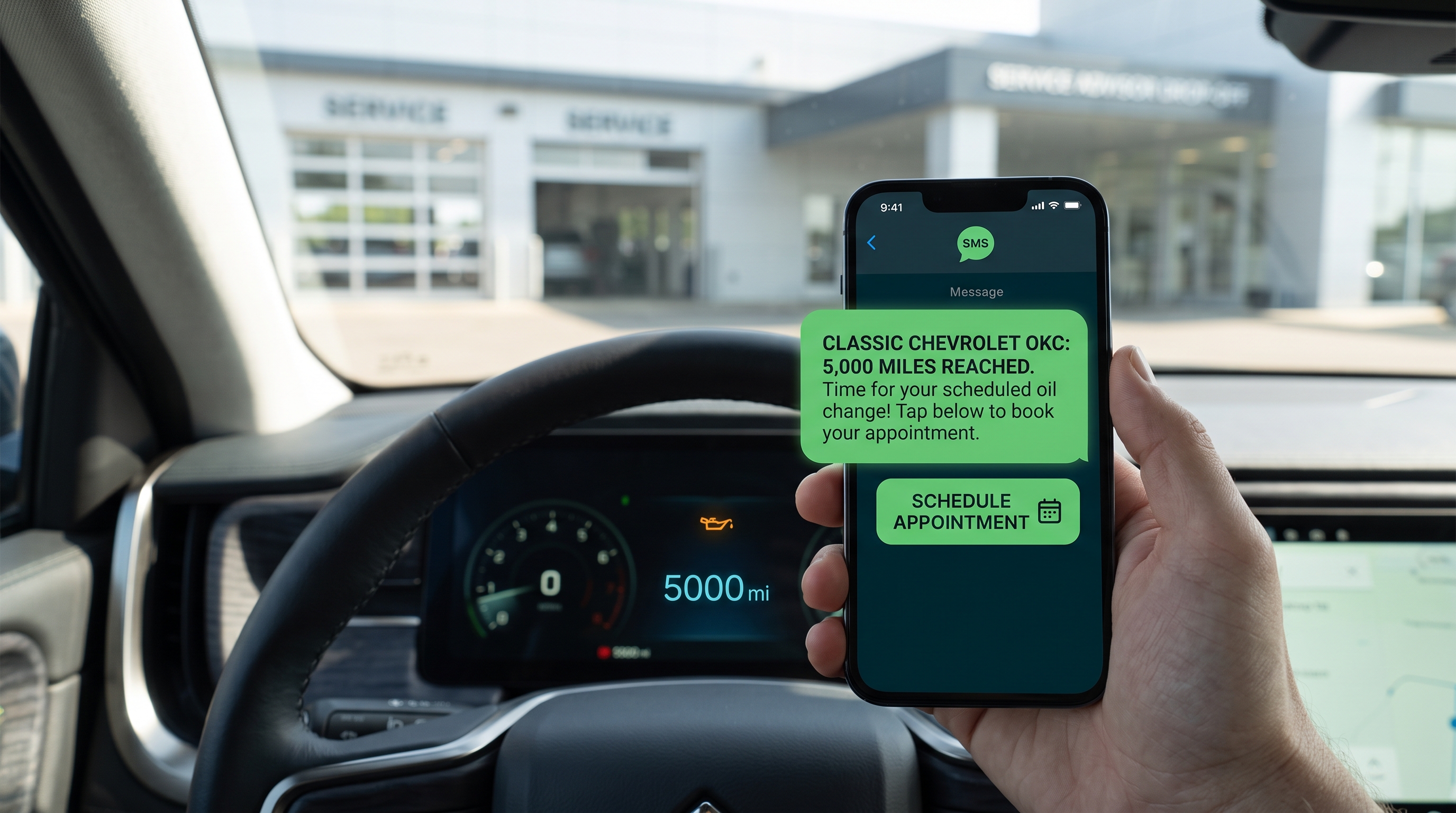
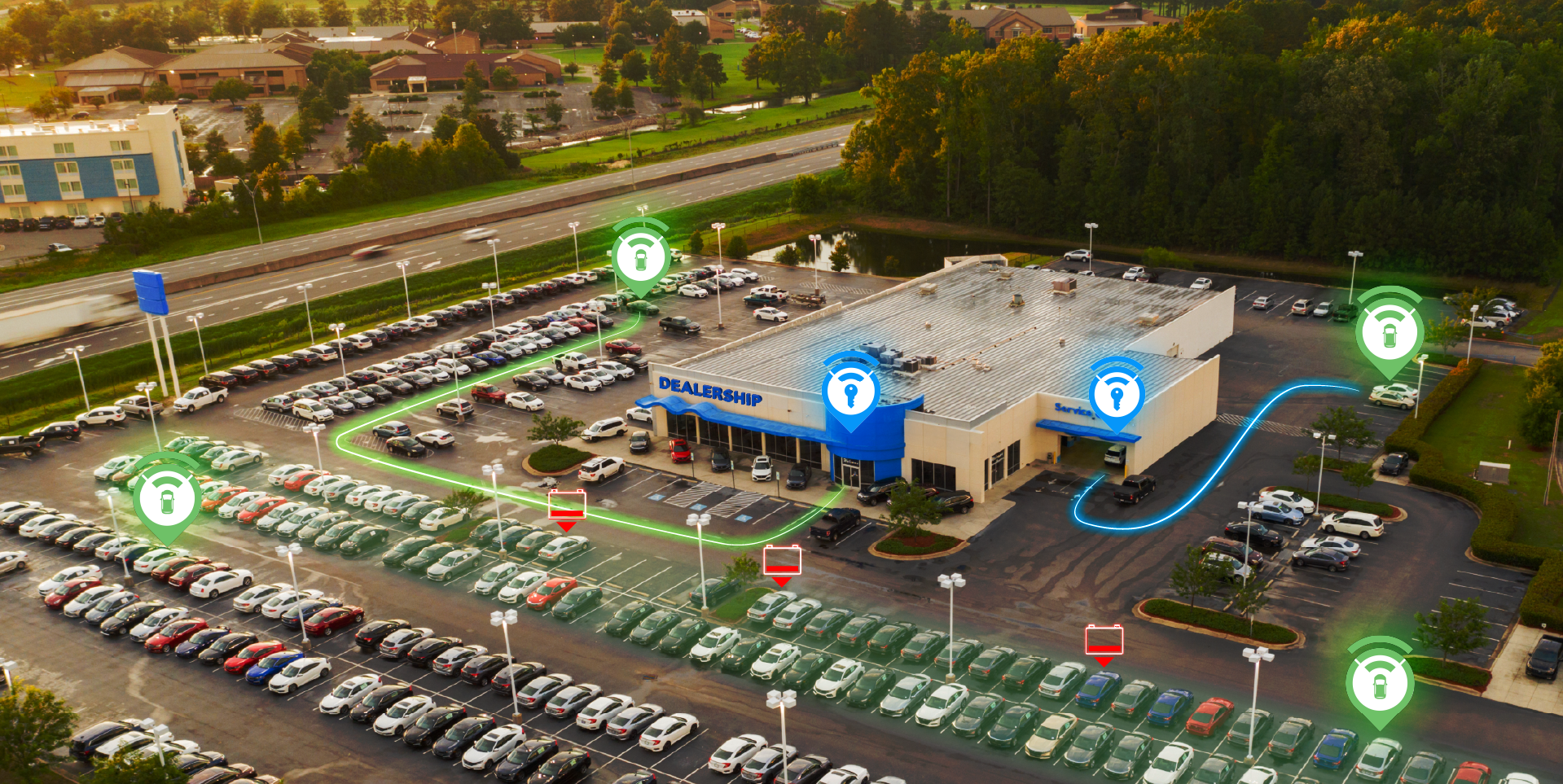
By leveraging connected telematics hardware preloaded on the lot and delivered through F&I, the vehicle's GPS-calculated mileage data feeds directly into the dealership's retention engine. When the vehicle reaches 5,000 miles (or another threshold the dealer chooses), an automated, branded notification reaches the owner's smartphone from the dealership they purchased from - complete with a one-touch booking link directly into the service scheduler. Special promotions and coupons can be offered for higher conversion rates.
The results speak for themselves: while standard direct-mail and calendar-based email blasts struggle to clear single-digit conversion, mileage-triggered notifications achieve an average 32.7% response rate.
The customer doesn't have to check their windshield sticker or calculate interval schedules. The dealership acts as a proactive ownership partner, removing friction before third-party service chains even enter the conversation.
.jpg)




.jpg)