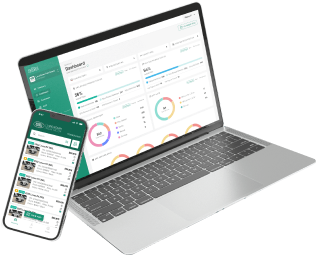
Built for Franchise Dealerships - Ikon Technologies delivers connected car intelligence, stolen vehicle recovery, lot management, F&I profit and automated service retention.
Learn the latest FTC rules for dealers following the Stream Auto Outlet settlement and see how to sell optional F&I add-ons profitably and compliantly.
Understanding FTC rules for dealers does not have to feel like a guessing game - or a threat to your dealership's F&I profitability. When headlines announce another Federal Trade Commission settlement, it is easy to assume regulators are trying to squeeze ancillary margins out of the retail model. Look closer at the agency's late-2026 actions, however, and a much more constructive picture emerges.
On November 9, 2026, the FTC announced a stipulated federal court order with Long Island-based Stream Auto Outlet, making it the second dealership group from the agency's March 2026 warning-letter batch to settle with $0 in monetary fines. Paired with the agency's September 15 guidance - analyzed in detail in our breakdown of the FTC's new pricing transparency FAQs - current FTC rules for car dealers are not designed to outlaw F&I products. Instead, they create a level playing field where transparent dealerships are no longer undercut by bait-and-switch internet pricing.
What Happened in the Stream Auto Outlet Settlement?
In its complaint filed in the Eastern District of New York, the FTC alleged that Stream Auto Outlet (operating three stores in Amityville, Valley Stream, and Islip) advertised low "INTERNET SPECIAL" prices online while requiring buyers to pay thousands more on the showroom floor:
Key Allegations in the Nov. 2026 FTC Complaint
Hidden Down Payments: Shoppers were required to pay a $3,995 down payment on top of the advertised price - a condition tucked five lines deep into small print behind a "Details" link and pop-up scroll.
Mandatory Fees and Preloads: The complaint cited a $1,995 "dealer prep" fee, an $895 "Theft Protection DNA" product, and a $2,700 LoJack add-on that staff told buyers was mandatory.
Doc Fee Confusion: Staff allegedly told at least one customer that New York's $175 documentation fee cap meant the fee was required by the state rather than charged by the dealership.
Website Banners vs. Reality: Even after receiving an FTC warning letter in March 2026, Stream added "NO FEES. NO GAMES. JUST CARS." to its website while keeping the extra charges in place.
Under the stipulated order, Stream Auto Outlet admitted no wrongdoing and paid $0 in fines. Moving forward, the group simply agreed to display the total cash price - including all mandatory dealer fees and excluding only government taxes and registration - as its most prominent advertised price, while maintaining standard advertising and deal-jacket records for five years.
Why 2026 FTC Price Transparency Rules Are Good News for Compliant Dealers
Even after the Fifth Circuit vacated the CARS Rule, the FTC confirmed in its September 2026 guidance that long-standing Section 5 consumer protection standards still govern FTC price transparency rules for auto dealers. As we covered in our analysis of what recent Asbury and Greenway actions mean for F&I compliance, regulators are targeting extreme outliers while giving compliant retailers clear, workable rules:
Dealership / Group
Date
Primary Compliance Focus
Outcome
Stream Auto Outlet (NY)
Nov 2026
Hidden $3,995 down payment, mandatory prep/theft preloads, doc fee claims.
Settled ($0 Fine)
Standard all-in advertised pricing and 5-year record retention.
Greenway Auto Group (FL)
Oct 2026
Charging $3,350+ above advertised prices in over 92% of sales; mandatory add-ons.
Settled ($0 Fine)
All-in advertised pricing mandate across its stores.
Asbury Automotive Group (TX)
Oct 2026
In-house administrative case over alleged unauthorized add-on packing.
Case Dropped
Dismissed by the FTC rather than prolonging administrative court litigation.
Manchester City Nissan (CT)
Aug 2026
Joint federal/state suit over double-charged taxes/reg fees and unauthorized add-ons.
$4M Settlement
Consumer restitution for overcharged buyers.
For franchise operators, the practical takeaway is straightforward: clear rules protect honest retailers. Major third-party marketplaces - including Cars.com, CarGurus, and TrueCar - have already updated their listing standards to reflect all-in pricing. When every store plays by the same transparent pricing rules, compliant dealerships stop losing showroom traffic to competitors advertising artificially low "phantom" prices.
Dealer Pulse
Which FTC compliance priority is your leadership team focusing on first?
Pick the one you run into most 👇
Dealership Add-On Compliance: How to Safely Sell Ancillary Products Like Ikon Technologies
A common misconception around car dealership F&I compliance is that regulators frown upon connected-car technology, GPS recovery, or protection packages. In reality, the FTC's September 2026 FAQs explicitly state that dealers may offer and sell optional add-ons - provided those items are presented truthfully as optional and purchased with clear customer agreement. For a deeper walkthrough of this framework, see our Ikon guide to safely and profitably selling GPS theft recovery.
Connected-car platforms like Ikon Connected Car are built specifically to thrive in a transparent retail environment. Here is how to sell optional add-ons with FTC compliance while protecting your gross profit:
1
Separate Lot Operations from Retail Add-Ons at $0 Upfront Cost
Many dealerships stumble on dealership add-on compliance because they pay upfront for hardware and feel pressured to "hard-add" a mandatory $1,500 to $2,700 recovery package onto every windshield just to recoup sunk costs. Under Ikon's $0-upfront consignment pricing model, your dealership equips 100% of its inventory with zero capital outlay. You immediately gain real-time lot management, battery-health alerts, and two-layer car-and-key tracking across every vehicle on your lot without forcing a mandatory fee into your advertised price.
2
Present Connected-Car Features as an Optional, High-Value Upgrade
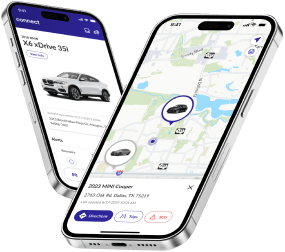
Because your lot operations and active stolen vehicle recovery are already covered at zero upfront cost, your F&I managers never have to tell a buyer a tracker is "mandatory." Instead, they can present Ikon's consumer-facing app - featuring real-time GPS location, a $10,000 theft benefit, geofencing alerts, and one-tap service scheduling powered by Ikon Smart Marketing - as a genuine, optional upgrade on a transparent F&I menu. When shoppers see everyday utility rather than a surprise surcharge, voluntary opt-in rates climb naturally.
3
Keep Your Advertised Price Clean Across Every Channel
Follow the FTC's core standard across your website, VDPs, and third-party syndication feeds: the most prominent price should be the actual cash price any walk-in shopper can pay, excluding only government taxes, title, and registration. Keep optional F&I packages out of the mandatory vehicle price, and disclose any conditional rebates (such as military, loyalty, or college-grad incentives) separately.
4
Document Express, Informed Consent on Every Deal
Train desk and F&I teams to present itemized digital menus where every ancillary product is clearly labeled as Optional, priced individually, and acknowledged by the buyer's signature or electronic initial. As detailed in our playbook on increasing PVR and eliminating F&I chargebacks, a clean, well-documented menu protects your gross profit and builds lasting buyer trust.
Frequently Asked Questions About FTC Rules for Dealers
Yes. According to the FTC's September 2026 Price Transparency FAQs, auto dealers may offer and sell optional protection packages, accessories, and connected-car products as long as they are not misrepresented as mandatory and the buyer gives clear, informed consent.
Under current FTC rules for car dealers, the most prominent advertised price must reflect the total amount any buyer can pay to purchase the vehicle - including mandatory dealer documentation, prep, or pre-installed add-on fees. Only government-mandated charges such as sales tax, title, and registration may be excluded.
No. In its November 2026 stipulated order, Stream Auto Outlet paid $0 in monetary penalties and admitted no wrongdoing, agreeing instead to advertise all-in vehicle prices and retain sales and advertising records for five years.
By using a $0-upfront consignment platform like Ikon Technologies, dealers can deploy GPS tracking for internal lot management and inventory security at no hardware cost, then offer the consumer-facing app as a purely optional F&I product with itemized pricing and express customer sign-off.
Related Dealer's Digest Compliance & F&I Playbooks
Want to dig deeper into Ikon's potential for your dealership?
Ikon Deployment Timeline
Discover our onboarding process for new dealers, unlocking years of full lot management control, profitable PVR uplift and increased service retention.
100% Visibility of Cars & Keys, Always Be Appointment Ready
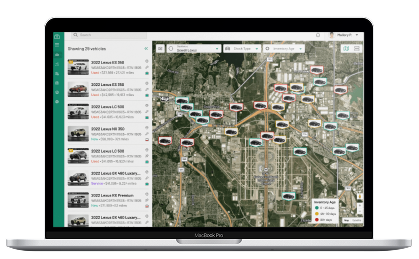
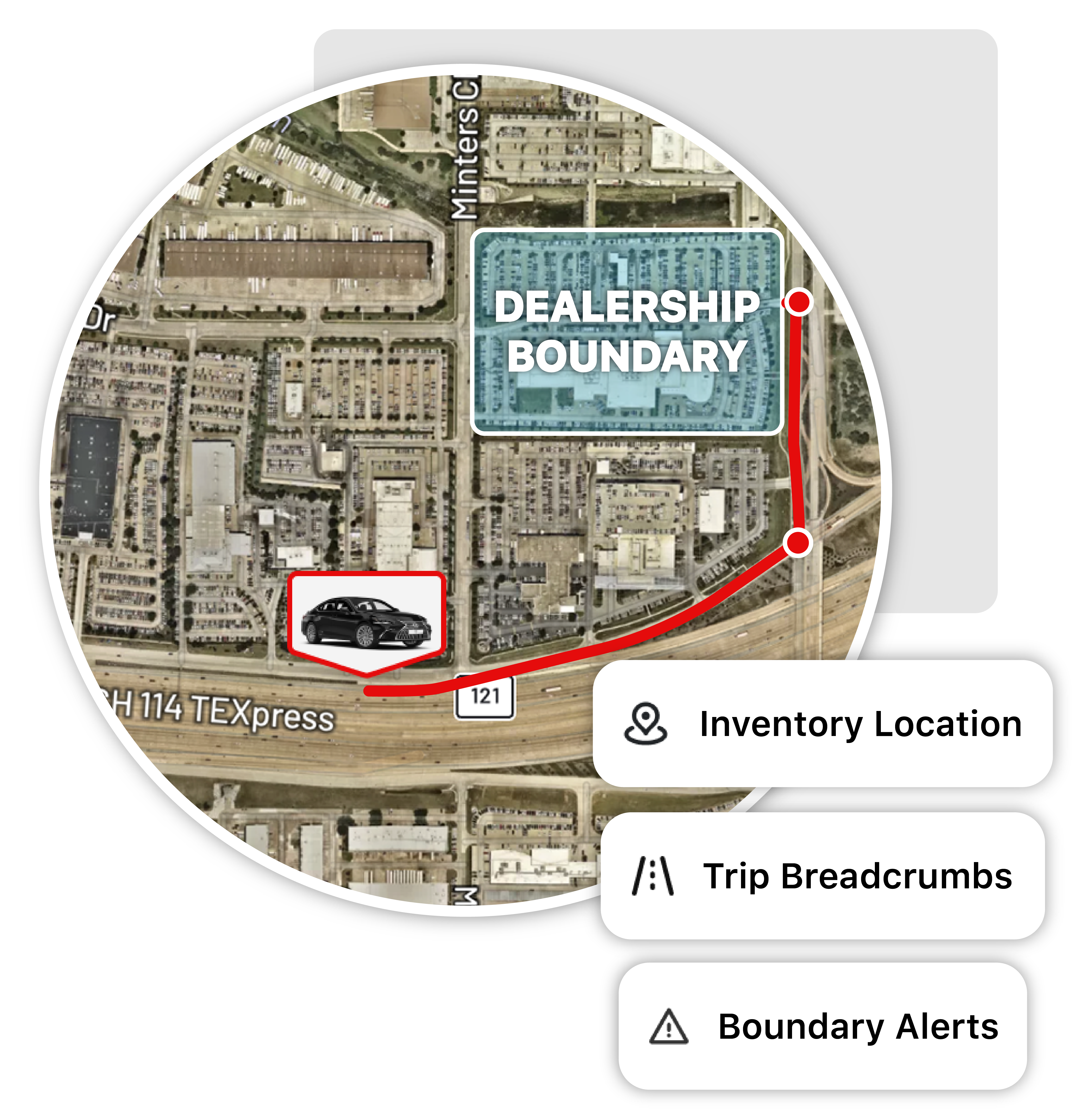
Master your lot. Locate cars and keys effortlessly to accelerate sales, check battery levels, run audit reports, view lot aging, all with no upfront device costs. We only make money when you do.
Inventory Protection that Gets Stolen Cars Back Fast & Reduces Insurance Costs
Stop inventory loss with near-real-time GPS tracking designed for rapid recovery. Ikon’s active theft recovery helps you secure your lot and lowers insurance premiums and deductibles.
A Lucrative F&I Product for You and An App & Benefit With Real Value for Them
Get an avg. $323 PVR uplift by selling customers peace of mind and theft recovery featuring a $10,000 theft benefit. Your dealer-branded app keeps them connected to you, not the OEM.
Service Retention on Steroids, Keep Them Coming Back
Maximize service retention and increase ROs with our mileage-triggered, automated text campaigns. We text customers at exactly the right time, driving them to your service scheduler.