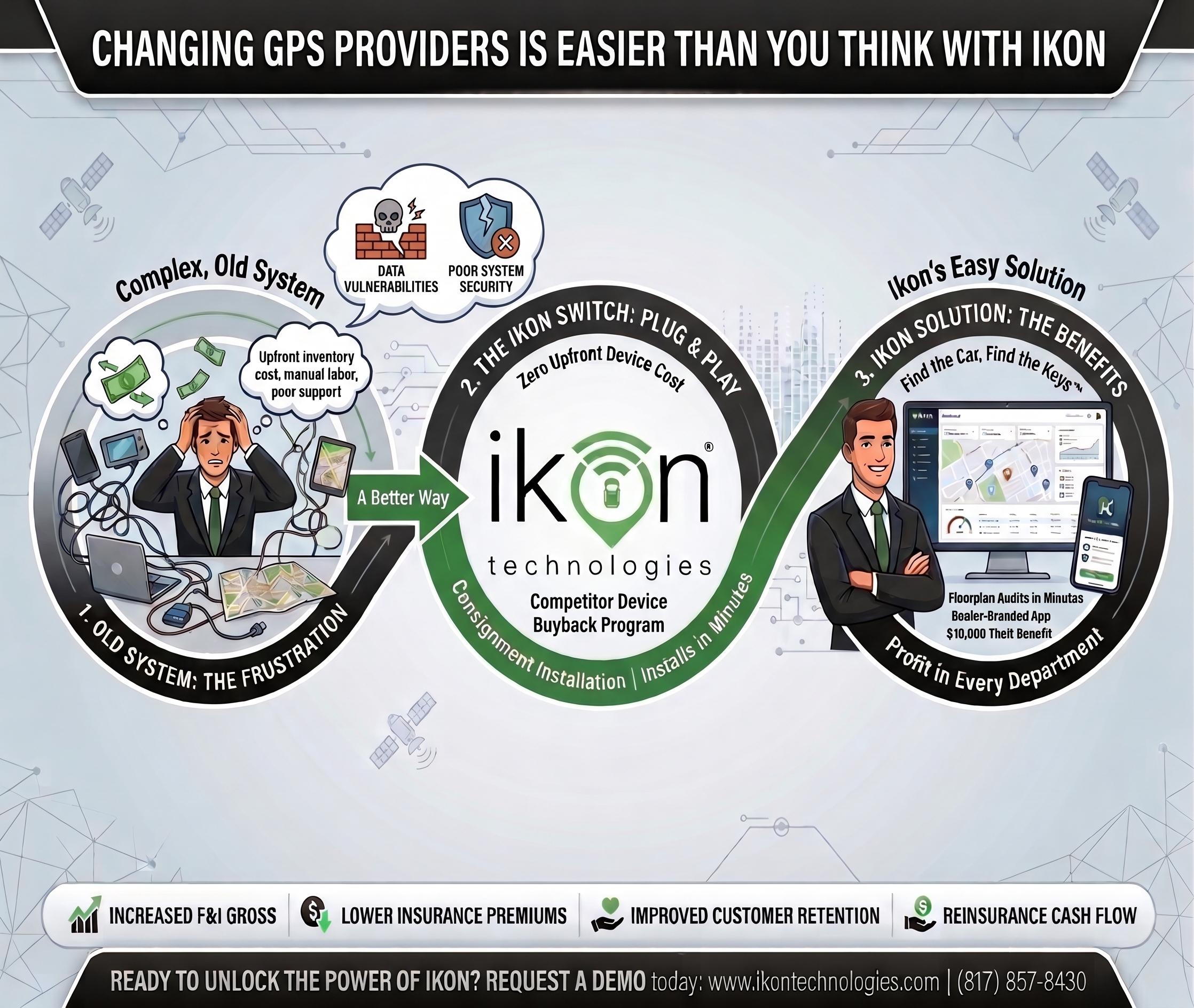
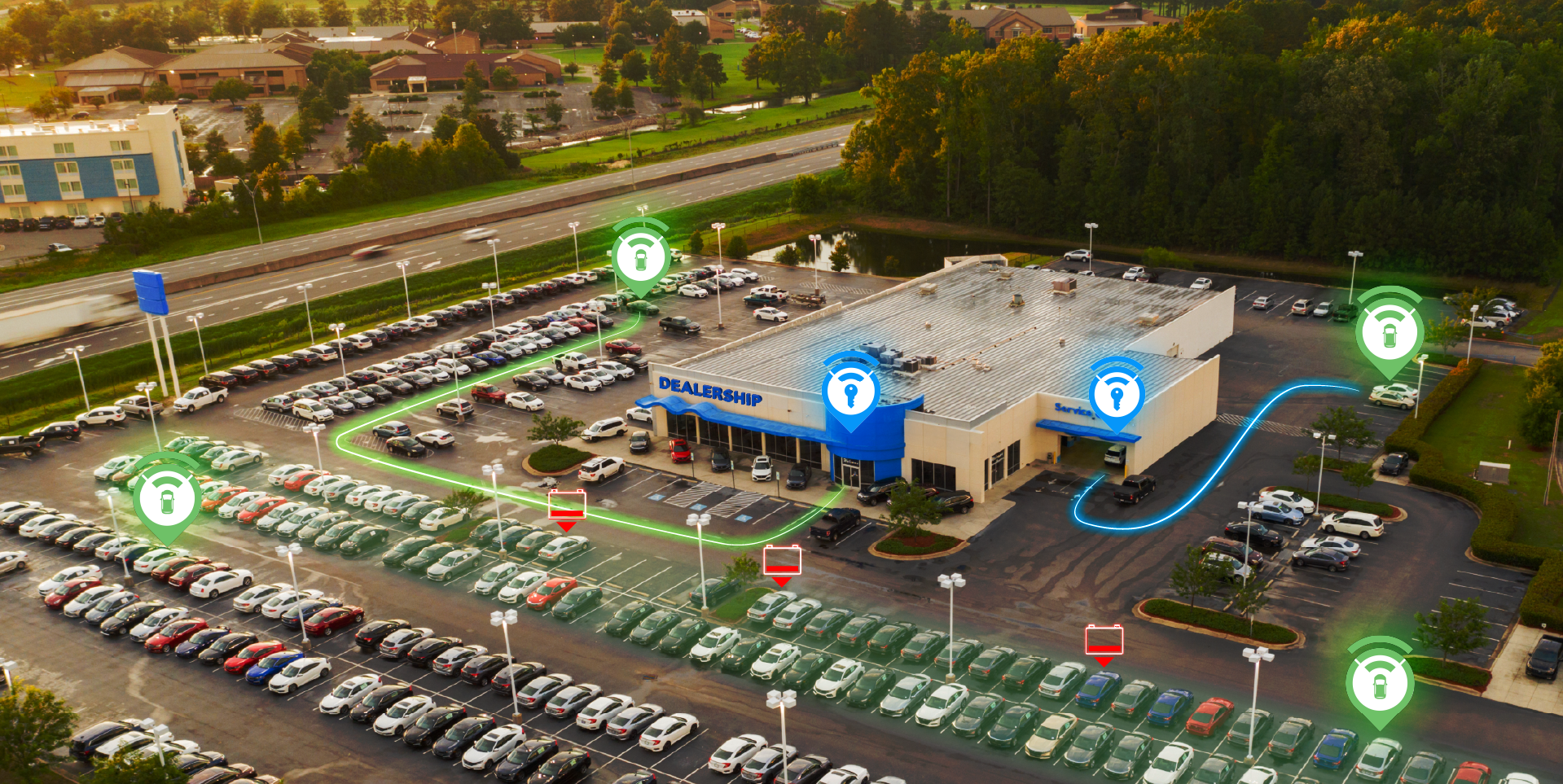
Ikon vehicle security puts one installed device to work across two shifts: it watches inventory on the lot before the sale, then rides along with the customer after delivery with theft recovery, geofences, speed alerts, and trip history.
That dual role is exactly why this shouldn't live on the F&I manager's desk alone. Your GM worries about a missing unit hitting gross and floorplan discipline, your lot manager wants cars and keys found fast, and F&I wants a product the customer can actually open and use. Theft is still a real number even after a solid year: NICB counted 850,708 U.S. thefts in 2024, so open-air inventory remains a live exposure for every rooftop.
Ikon protects four separate things, and the stores that misjudge the category are the ones treating them as a single feature. The platform covers passive deterrence before a theft, active recovery support after one, real-time lot alerts, and everyday inventory control, all running off the same installed device but each solving a different problem.
The federal framing helps a GM size this up without a sales pitch. NHTSA splits theft-prevention tools into audible or visible deterrents, immobilizing devices, and vehicle recovery systems that use electronic transmission to help law enforcement pin down a stolen vehicle's location. Ikon sits firmly in that third bucket. It won't stop the break-in. What it does is shorten the path from "the car is gone" to "here's exactly where it is."
Run down that list and the honest boundary jumps out. None of these jobs make a vehicle theft-proof or guarantee an outcome. Pre-loss friction lowers the odds, post-loss recovery raises your chance of getting the unit back, and plain lot discipline keeps the whole operation tight. Keep those three jobs separate and you can actually size what ikon vehicle security is worth to your store, instead of buying a slogan.
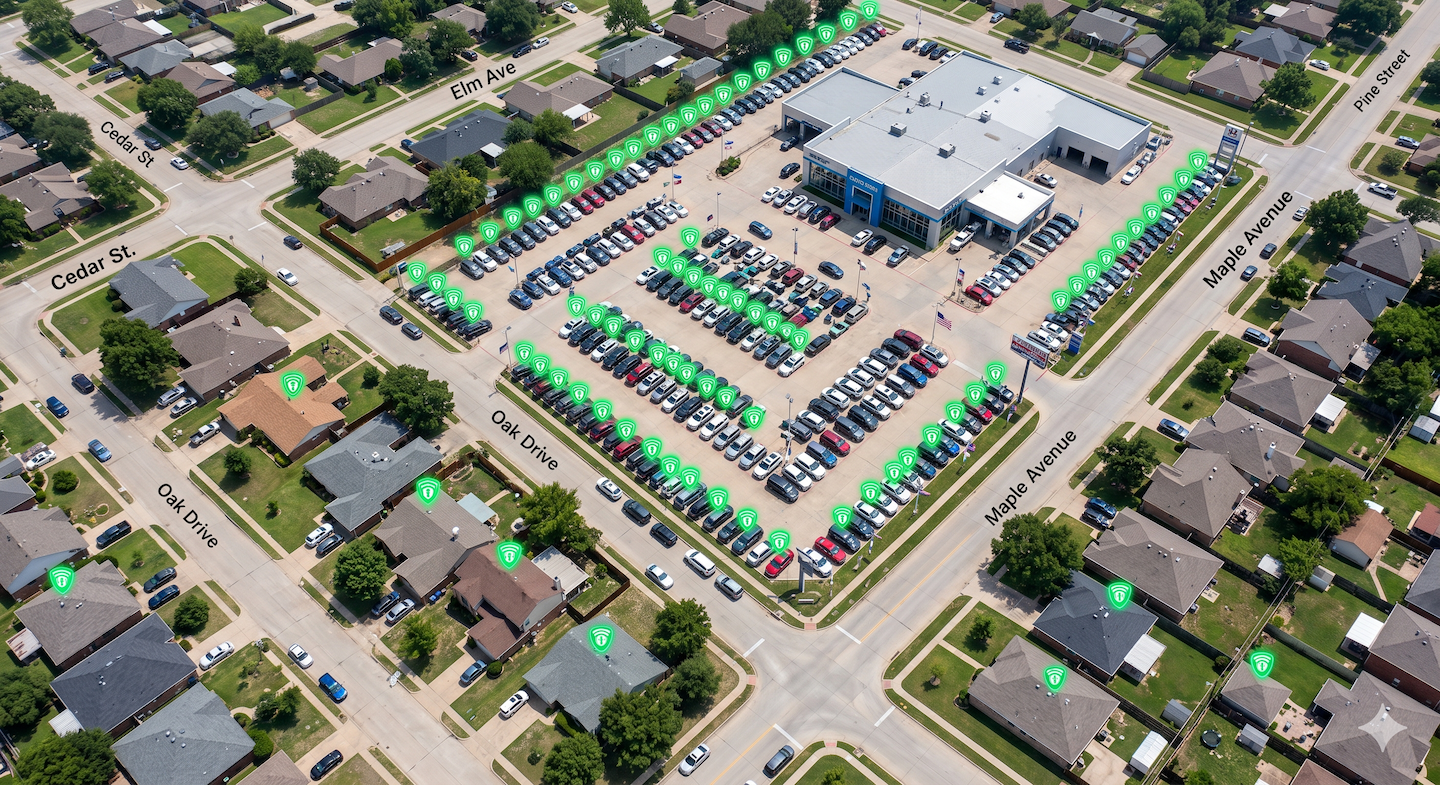
Lot alerts only tighten control if the data behind them is clean. The system turns vehicle movement and device status into notifications a manager acts on. But a geofence ping, a tamper flag, a low-battery warning, or an after-hours move means nothing unless someone owns the response. The alert is the easy part. The discipline around it is where the value lives.
Start with the headaches a store actually feels every day. Sales consultants burn time hunting for a unit or its key, batteries die on front-line cars, test drives wander off, and floorplan audits eat a manager's whole afternoon. Ikon's company-reported numbers speak straight to that friction: roughly 15 minutes saved per sale and a 56% cut in audit time. Those gains ride on the unglamorous work of running the lot well, the daily tracking of every VIN, key, recon stage, and aging clock that separates stores that run a tight lot from the ones that scramble.
For ownership, the insurance angle is where this gets practical. Risk advisors tie weak key tracking, sloppy inventory logs, and incomplete movement histories to harder claims and tougher underwriting scrutiny. Alerts matter to your insurer only when they leave a documented movement trail, not just a buzz on a phone. The honest promise here is cleaner exposure management and stronger claim support, never a guaranteed premium cut.
Good to know: A geofence draws a virtual boundary around your inventory and only speaks up on the exceptions, like a unit leaving an approved area or moving after hours. Everything inside the line stays quiet, so your team reacts to the few moves that matter instead of watching a map all day.
After a theft, Ikon moves a stolen unit from discovery to a law-enforcement handoff in a few defined steps. The dealership or owner reports the theft to police, grabs the officer's email and phone number, marks the vehicle stolen in the Dealer Portal or Connect app to trigger Stolen Mode, and the officer then gets a link to track the vehicle's live location. The system feeds the police. It doesn't replace them, and dealerships and owners should never take matters into their own hands.
NHTSA's victim guidance lines up with that sequence and starts the clock. Call police immediately with plate, make, model, color, and VIN ready, and notify the insurer within 24 hours. Ikon's own incident playbook leans on the same discipline, treating a missing unit as a race that starts the second a car can't be accounted for, backed by a hardened lot, tight key control, and verified movement logs instead of a next-morning huddle.
Active recovery support can genuinely shorten the path from incident to location data, but the result still hangs on the police report, Stolen Mode being switched on, device status and connectivity, and the claim conditions being met. If the device was pulled or offline, or the report never went in, the workflow stalls.
The non-recovery boundaries deserve plain language too. If a stolen vehicle stays gone past 30 days, Ikon's dealer terms may reimburse up to $10,000 of the deductible. On the consumer side, the warranty runs up to $10,000, split as $8,000 toward a replacement, up to $1,000 for the deductible, and up to $1,000 for a rental. Setting that expectation straight is the whole point of a real recovery program versus a dot on a screen.
F&I should promise concrete, usable value and a clearly bounded protection benefit, never theft-proofing or some vague peace of mind. The customer drives off with a dealer-branded app offering Stolen Mode, geofences, speed and battery alerts, and trip history, plus a theft warranty structured up to $10,000 if a stolen vehicle isn't recovered. That's something the buyer can open on the phone, which beats an invisible paper product every time.
The economics back the pitch when the disclosure is clean. Ikon cites a $323 average incremental PVR and 67% average dealer penetration, numbers that hold up because the product carries real utility. But the benefit has rules the desk has to say out loud: the buyer must download the app within 24 hours of purchase to stay eligible for the theft benefit, and the workflow still needs a police report and Stolen Mode. Your guidance must also be flat-out clear that this is no substitute for comprehensive insurance, and saying so protects the store's credibility.
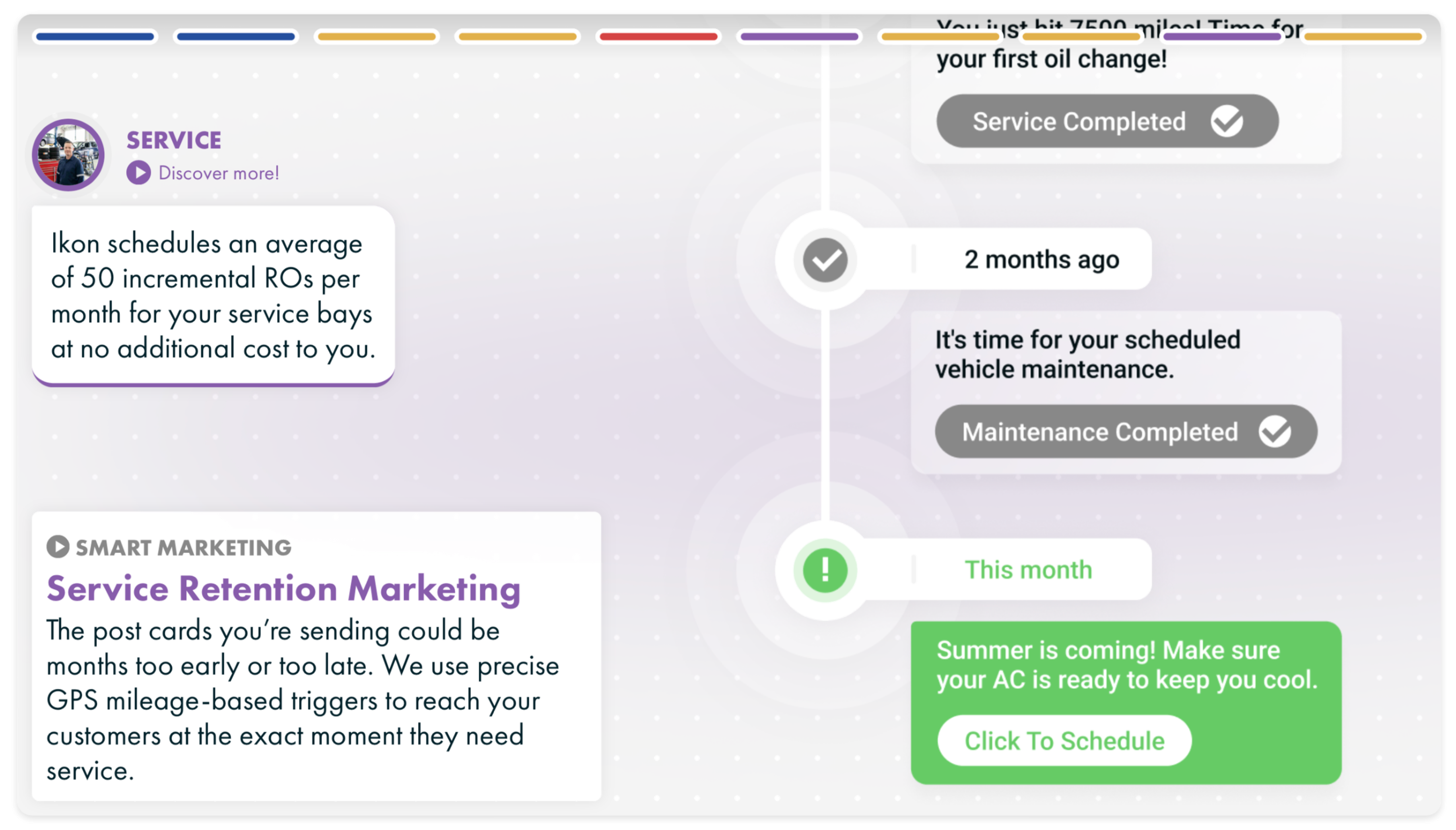
Disclosure pressure is no longer theoretical. The FTC's March 2026 warning to 97 auto groups flagged advertised prices that left out mandatory fees and the practice of forcing buyers to purchase items the price never showed. Add-ons are optional, and buyers should get the cost and benefit in writing. A short, written explanation of what Ikon does and does not cover sells better than vague reassurance and shields the back end. Privacy counts here too: dealers don't get a customer's live location without a valid legal basis, so service-retention outreach should stay mileage and consent based. Stores playing the long game can see how today's GPS choice shapes future revenue.
Judge Ikon by one standard: does it measurably improve response speed, lot discipline, customer value, and documentation without stretching the protection promise past what the terms actually cover? If you can say yes on all four, the security story is real for your store.
Before you call it a fit, do three things: map who owns each alert, walk the activation process a buyer follows in the first 24 hours, and read your F&I disclosure language against what the program truly delivers.
Yes. Before delivery the store uses the installed device for lot visibility, key tracking, and movement alerts, with none of the consumer ownership features in play. Ikon reports it cuts the time to locate cars and keys by about 15 minutes per sale and trims floorplan audit time by 56%, which keeps front-line units ready for an appointment.
A named internal owner, assigned in advance by the store. A geofence or tamper notification only protects inventory if someone is accountable for checking it and closing the exception. There's no universal industry SOP for this, so each rooftop has to define its responder, the escalation path, and the documentation habit that follows an alert.
Download the dealer-branded app within 24 hours of purchase, which is the eligibility window for theft-benefit coverage. From there they can use Stolen Mode, geofences, speed and battery alerts, and trip history. If the vehicle ever gets stolen, the workflow still needs a police report alongside activating Stolen Mode in the app.
No. Ikon states plainly that its theft protection should not be pitched as a substitute for comprehensive insurance. It's a recovery program with a limited, capped benefit: if a stolen vehicle stays gone past 30 days, the consumer warranty runs up to $10,000, and dealer terms may reimburse up to $3,000 of the deductible under stated conditions.
No. Dealers don't get a customer's live vehicle-location data without a valid legal basis. The distinction matters: service-retention outreach should run on mileage thresholds and consent, not open-ended tracking. That boundary keeps post-sale workflows on the right side of connected-vehicle privacy expectations while still letting the store reach the owner about maintenance.
Ikon publicly reports a 99.8% recovery rate at an average of 18 minutes, which is company-stated positioning rather than independent validation. That speed depends on the full workflow firing: a filed police report, Stolen Mode activated in the app, working device connectivity, and the officer receiving the live tracking link to act on.

.jpg)


.jpg)