Stolen Vehicle Recovery at a dealership comes down to two disciplines, prevention before the loss and speed after it. Dealers need a hardened lot, tight key control, verified movement logs, and a recovery process that starts the minute a unit cannot be accounted for, not the next morning after everyone has compared notes.
Dealer inventory security is no longer just a facilities issue. It touches sales, service, recon, F&I, accounting, and whoever controls keys, dealer plates, and after-hours access. The stores that recover fastest usually already know who owns the response, what data police need, where their evidence sits, and which vehicles on the ground carry a live recovery path.
That is the operating lens. If one unit goes missing, the response has to be disciplined, documented, and immediate.
The first 60 minutes decide whether this is a manageable incident or a long insurance file. Start by confirming the car is not on a test drive, dealer trade transport, recon move, service pickup, or trapped in a paperwork mismatch. Have one manager validate the DMS, CRM, service lane activity, camera timestamps, and assigned employee history before anyone starts guessing. NHTSA’s stolen-vehicle guidance is still the baseline for the reporting packet police will ask for, and NICB’s theft prevention guidance adds the urgency point dealers cannot ignore.
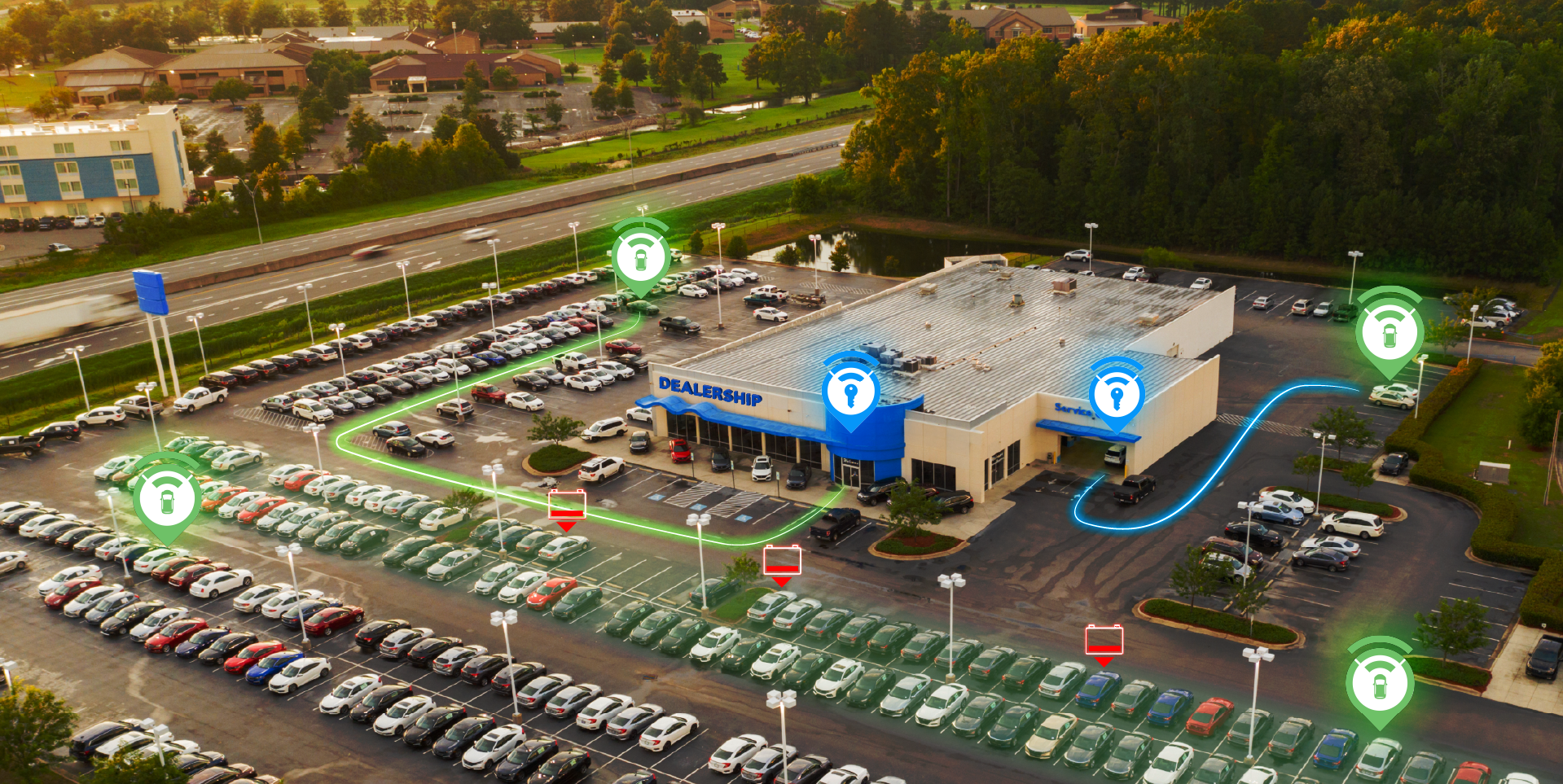
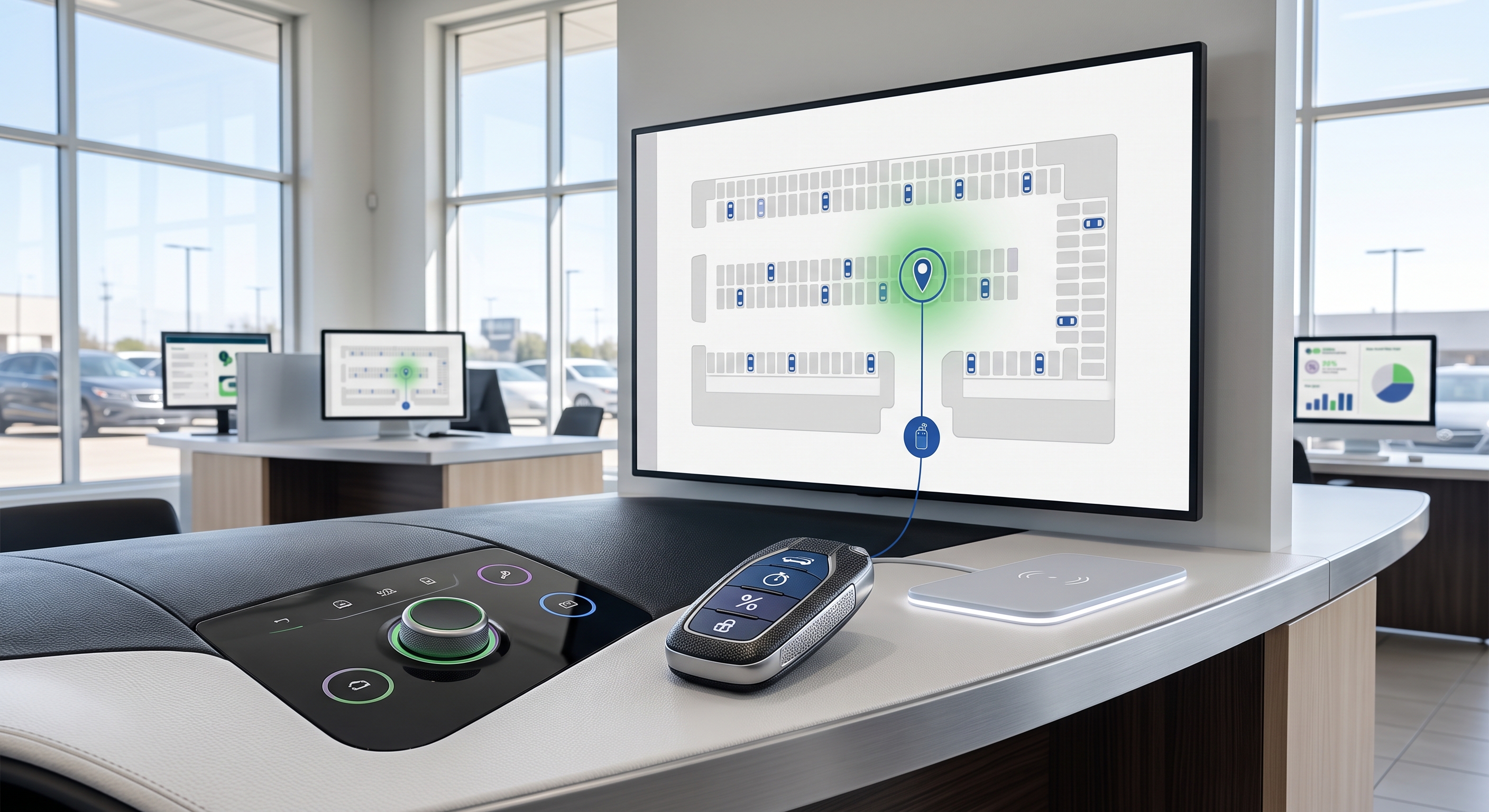
Use the Ikon Dealer Portal to your advantage. Often, a quick check of the vehicle's most recent location can show if it was borrowed by an employee without permission or forgotten at a third-party detailer.
But if it is truly missing, immediate reporting increases the chance of recovery in the first 24 hours by 34%. That is not a consumer tip, it is an operations rule for dealer inventory security.
Dealership theft prevention works best when the lot is built in layers, not around one product or one person. NHTSA groups anti-theft protection into audible or visible devices, immobilizing-type devices, and vehicle recovery systems. That framework fits a dealership well because every store has three exposure points, the perimeter, the keys, and the vehicle itself. In the same guidance, NHTSA also recommends practical controls such as locked vehicles, well-lit parking, and, when needed, wheel locks or GPS tracking devices. NHTSA’s vehicle theft prevention guidance is useful here because it mirrors what a store should already be doing operationally.
The key point is simple, every layer covers a different failure mode. A wheel lock does not replace key control. Cameras do not replace hidden telematics. GPS does not fix sloppy end-of-day reconciliation. Dealer inventory security gets stronger when each layer is assigned to an owner and reviewed on cadence.
Many dealership losses are not random. They are organized, repeatable, and often multi-jurisdictional. The pattern is familiar, burglary or fraudulent deal, rapid vehicle movement, concealment, resale below market, and then secondary crimes tied to stolen plates, altered VINs, or vehicles used in robberies and other offenses. That matters because it changes how a dealer should interpret a missing unit. It is usually safer to assume process exploitation than bad luck. The DOJ’s June 26, 2025 Strikers case is a clear example of the scale and boldness stores are up against.
According to DOJ allegations, the ring stole approximately 50 vehicles and caused nearly $3 million in losses across Missouri and Illinois. In one dealership burglary alone, the group allegedly took seven high-end vehicles valued at about $855,000. Court documents also describe dealership burglaries, illegal interstate sales, and other coordinated criminal acts.
The dealer takeaway is operational, not theoretical. If one unit is gone, review key custody, recon routing, plate control, employee access, after-hours entry, and deal validation. Look for the process seam that got exploited. Lot hardening matters, but rapid escalation matters just as much because organized rings do not wait around for the store to get aligned internally.
The national trend improved in 2024, but that does not make the dealer problem small. NICB reported 850,708 vehicles stolen in 2024, down from 1,020,729 in 2023, a 17% decline. That is encouraging at the macro level, but it does nothing to soften the economics of one unrecovered unit sitting on your books, depreciating, exposed to damage, and possibly tied to downstream liability. NICB’s 2024 theft report is the right benchmark for the national backdrop.
Same-day speed is where the dealer ROI sits. NICB says immediate reporting raises first-24-hour recovery odds by 34%. Its reporting guidance also says 35% of recovered stolen vehicles are found the same day and 45% within two days. That window is why stolen vehicle response cannot wait for the next manager meeting or the next shift change.
From the store’s standpoint, quick recovery protects more than the asset. Ikon’s dealer guidance makes the business reality plain, once a fraudster takes the car and it is not recovered quickly, the vehicle keeps losing value, remains the dealer’s problem on paper, and turns into claim friction with the carrier. Fast recovery protects gross, insurance experience, staff time, CSI, and basic trust inside the operation.
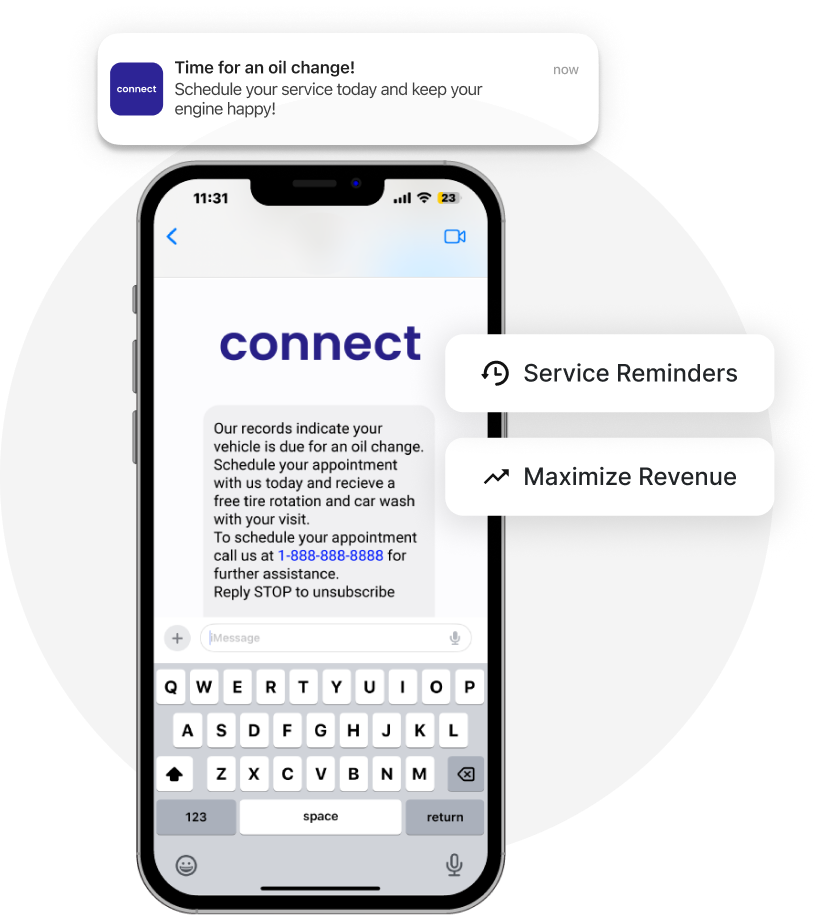
Ikon’s approach is built as a recovery workflow, not passive tracking. The sequence matters.
That is the operating sequence described in Ikon’s recovery workflow article.
The practical difference is that the system is meant to help unwind real dealer problems, bad-check fraud, identity-theft deliveries, cross-state movement, or a customer vehicle where factory telematics failed. Ikon frames the product as recovery infrastructure because it supports law enforcement in real time and can also produce historical movement data when the case is no longer a same-hour event.
The proof point from the same source is concrete. Ikon says South County CDJR recovered a fraudulently taken vehicle in under two hours, across state lines, after a police report and activation of Stolen Vehicle Mode. Operationally, that kind of response helps protect CSI, insurance premiums, team morale, and customer trust.
Real dealer recoveries matter because each case exposes a different failure mode. This is where recovery technology earns its keep, not in generic promises but in what happens when factory systems fail, an employee is hit, or a fraudulent deal sits open for weeks. The examples below come from Ikon’s dealer stories and show three distinct situations dealers actually face.
High-Value Recovery, Boca Raton. A customer’s 2025 Range Rover valued at $185,000 was stolen. Sophisticated thieves cut the factory GPS cables and damaged the exterior fin to disable standard tracking. Once Stolen Mode was activated, the secondary system still provided live location data to law enforcement. Police recovered the vehicle at a nearby apartment complex in under two hours. The dealer takeaway is secondary recovery technology matters when OEM telematics are compromised.
Dealer Employee Theft, Dallas. A Chevrolet salesperson’s personal vehicle was stolen from directly in front of his home. There was no time for a slow, manual search. The user activated Stolen Mode and shared the live tracking link with Dallas police. The vehicle was located and secured just over two hours after the initial call, by 10:45 a.m. The dealer takeaway is live law-enforcement tracking beats verbal location updates and phone-tag.
Tracking Financial Fraud, Pittsburgh. A vehicle was purchased with a bad check and taken out of state for more than 30 days. The original deal itself failed. The platform provided a live location in Florida plus the last 10 historical addresses to police. The vehicle was recovered and the suspect was arrested. The dealer takeaway is historical location data can be just as valuable as live pinging in a longer fraud investigation.
There is a fourth pattern worth noting. Ikon’s dealer blog also describes an identity-theft case at South County CDJR where a vehicle was recovered in under two hours across state lines after the police report and Stolen Vehicle Mode activation. That expands the lesson beyond burglary, some losses begin in the showroom, not over the fence.
Recovery has to be built into dealership operations before anything goes missing. NHTSA’s framework is still the right one, visible deterrents, immobilizers, and recovery systems used together instead of as substitutes. When a unit disappears, the store needs an immediate sequence, police report, insurer notice, tracker activation, evidence preservation, and one internal incident lead. Ikon’s contribution fits inside that discipline, live tracking and historical location data that give law enforcement something usable right now, not tomorrow.
For franchise dealers, the practical standard is straightforward. Prevent what you can with layered controls, assume organized exploitation when a car goes missing, and respond fast enough to protect gross profit before the vehicle turns into a longer, messier problem. That is what good stolen vehicle recovery looks like at store level.
Verify the unit is not on a test drive, transport, service move, recon move, or tied up in a paperwork mismatch. Once that check is done, pull the VIN, plate, make, model, and color, call police immediately, and activate any tracker. NHTSA lists the identifying data police need, and NICB says immediate reporting improves first-24-hour recovery odds by 34%.
Call police first and get the report or case number, then notify the insurer right away. NHTSA says police should be contacted immediately and the insurance claim should be filed within 24 hours. NICB also notes that insurers often need the police report before honoring a claim.
Have the license plate, make, model, color, VIN, and any identifying characteristics ready. That is the baseline reporting data NHTSA says police may ask for when the stolen-vehicle report is filed.
Treat it as stolen inventory once the deal collapses and ownership is re-established. Ikon documents a cross-state identity-theft case recovered in under two hours and a bad-check case solved with live location plus 10 historical addresses.
Yes. Ikon’s workflow centers on giving law enforcement a live tracking link or direct location data once Stolen Vehicle Mode is activated, and that process supported multiple recoveries in about two hours or less.
That is exactly why a secondary recovery device matters. In Ikon’s Boca Raton case, thieves cut the factory GPS cables on a $185,000 2025 Range Rover, but the secondary device still gave law enforcement a live location and the vehicle was recovered in under two hours.
Very short. NICB says immediate reporting raises first-24-hour recovery odds by 34%. Its reporting guidance also says 35% of recovered stolen vehicles are found the same day and 45% within two days.
Lock doors and windows, never leave keys in vehicles, use well-lit parking, and add wheel locks or GPS tracking when the risk profile justifies it. Those are the kinds of anti-theft controls NHTSA highlights in its prevention guidance.
Treat it like an attempted theft and escalate immediately. Secure the unit, move it to a controlled area, restrict access, and review cameras plus key-custody records right away. A 2024 Wisconsin dealership theft shows why. Thieves found stored keys during a break-in and drove off with nine vehicles worth more than $583,000.
They concentrate high-value inventory in one place and can expose keys, plates, and process gaps at scale. DOJ’s June 26, 2025 Strikers case alleged approximately 50 stolen vehicles and nearly $3 million in losses from an interstate ring that included dealership burglaries and illegal interstate sales.
Yes. NHTSA treats visible or audible deterrents and recovery systems as complementary layers. One can discourage or interrupt the theft attempt, while the other helps law enforcement locate the vehicle if the theft still happens.
Notify police and the insurer immediately that the vehicle has been found, inspect it for damage or tampering, and then fix the process gap that let it leave in the first place. NHTSA explicitly says to contact police and your insurance company immediately if the vehicle turns up before authorities do.
.jpg)

.jpg)