The Ikon Blog
Understanding the Risks of KARR Systems: What the UCSD Research Shows and How Ikon Technologies is Fundamentally Different

A recent vulnerability disclosure by cybersecurity researchers at UC San Diego about the KARR Systems aftermarket GPS product has highlighted critical security and operational risks associated with their specific hardware, which relies heavily on vulnerable Bluetooth communications and wire splicing, technologies not used by companies like Ikon Technologies.
For years, many auto dealerships have relied on aftermarket security and inventory management devices that required physical installation into a vehicle's electrical system. While these systems aimed to simplify lot management and offer theft protection, recent academic research demonstrates how traditional telematics architectures that are use wire-splicing can inadvertently introduce significant operational and security vulnerabilities, and why they should never be directly wired directly into vehicle control systems.
A prominent example emerged when researchers at the University of California, San Diego (UCSD) released findings regarding security vulnerabilities in KARR Security's aftermarket devices deployed across an estimated 2.2 million vehicles.
(See Wired Magazine for more info)
As dealerships review their lot management practices, evaluating the core differences between legacy wire-spliced systems and modern telematics solutions that are not wired into vehicle control systems has become essential to protecting business operations and customer satisfaction.
The UCSD research highlights three primary technical areas where legacy devices using Bluetooth to control the vehicle often fall short of modern cybersecurity standards:
Beyond digital cybersecurity, the physical installation method plays a critical role in long-term vehicle reliability:
At Ikon Technologies, we believe inventory management and vehicle protection should never compromise vehicle integrity, warranty standing, or cyber security. So we do things VERY differently.
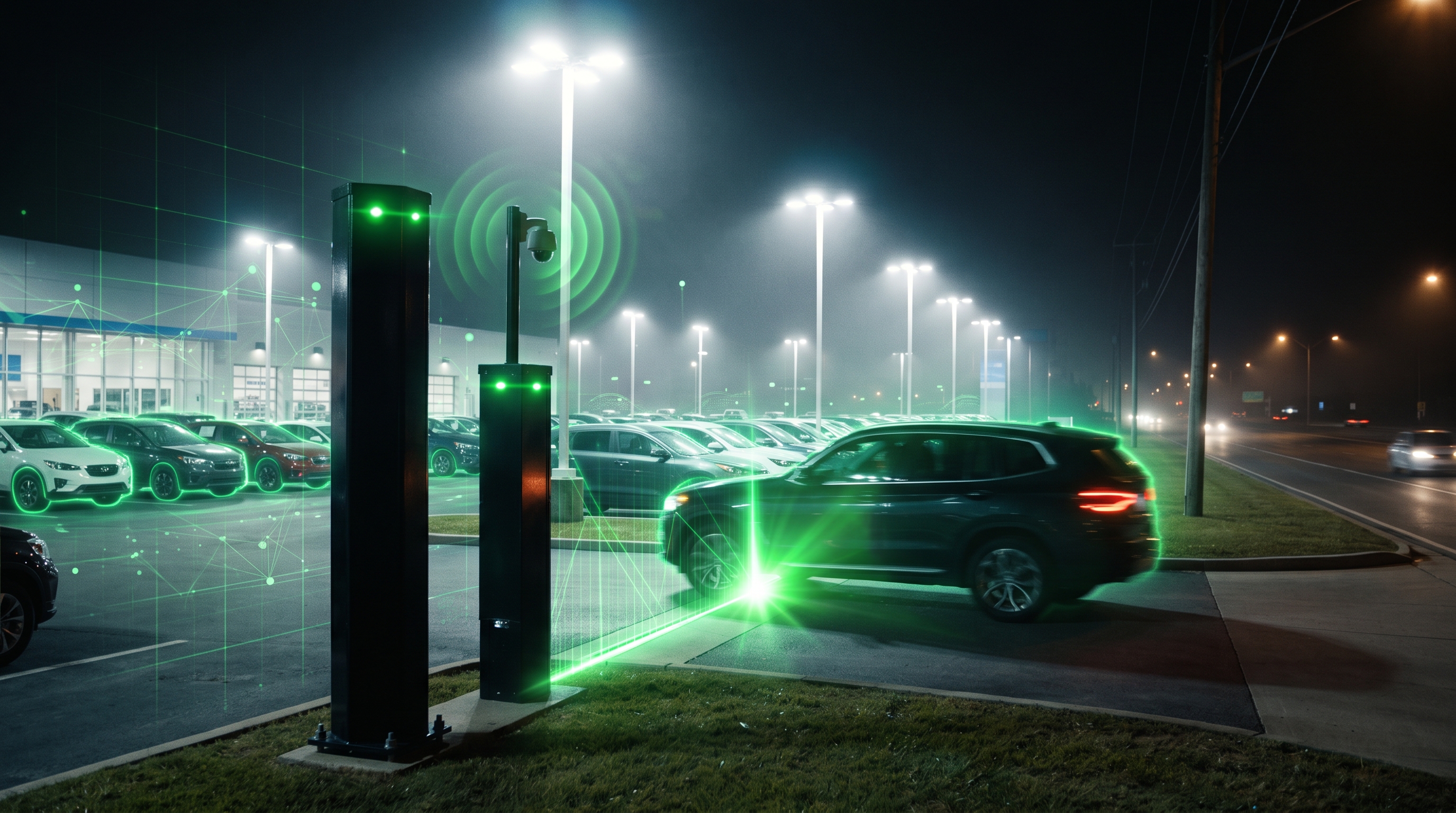
Unlike legacy systems that cut into factory harness lines, Ikon devices draw power without invasive wire-splicing. Your vehicle's factory electronics, safety modules, and OEM electrical integrity remain intact—eliminating installation risks while delivering robust lot management tracking and protection.
Managing lot operations shouldn't require dangerous electrical shortcuts. With Ikon Key Finder, dealerships can Find the Cars, Find the Keys™ effortlessly. Dealers get pinpoint real-time location tracking across the lot, streamlined test-drive management, and seamless key tracking without compromising vehicle cybersecurity. All without the convenient but risky practice of storing keys in the vehicle itself.
Security demands proactive, zero-friction maintenance. Ikon delivers critical updates and enhancements seamlessly Over-The-Air (OTA). Neither dealerships nor consumers are required to download companion apps or visit service bays—updates occur automatically in the background.
Ultimately, this issue extends beyond technical specifications - it speaks to transparency and long-term reliability for automotive dealers and drivers. Recent academic security disclosures show that a vulnerability affecting an estimated 2.2 million vehicles remained unpatched for 18 months following initial notification. In critical automotive security, timely resolution and proactive communication and deployment are paramount. Relying on end-user smartphone app downloads to push firmware fixes to devices consumers don't even know they have creates substantial operational hurdles, leaving a significant portion of drivers potentially unaware or unpatched. True reliability requires hardware architecture built for seamless, proactive updates that protect consumers without placing the burden on them.
The academic disclosures from UCSD underscore a clear industry reality: legacy add-on devices with static keys and invasive wiring represent an unnecessary operational risk. Modern auto dealerships deserve technology solutions that enhance efficiency without creating security or electrical vulnerabilities.
Protect your lot, your margins, and your customer relationships with non-intrusive, cellular-connected security from Ikon Technologies.
Ready to modernize your dealership security?
Contact Ikon Technologies today to learn how you can Find the Cars, Find the Keys™ safely and securely.
.jpg)
.jpg)
32%+ average service reminder response rate. 74% higher chance that a service customer will buy their next vehicle from you.
Watch the Webinar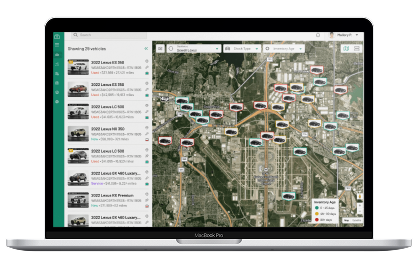
Master your lot. Locate cars and keys effortlessly to accelerate sales, check battery levels, run audit reports, view lot aging, all with no upfront device costs. We only make money when you do.
Ikon Lot Management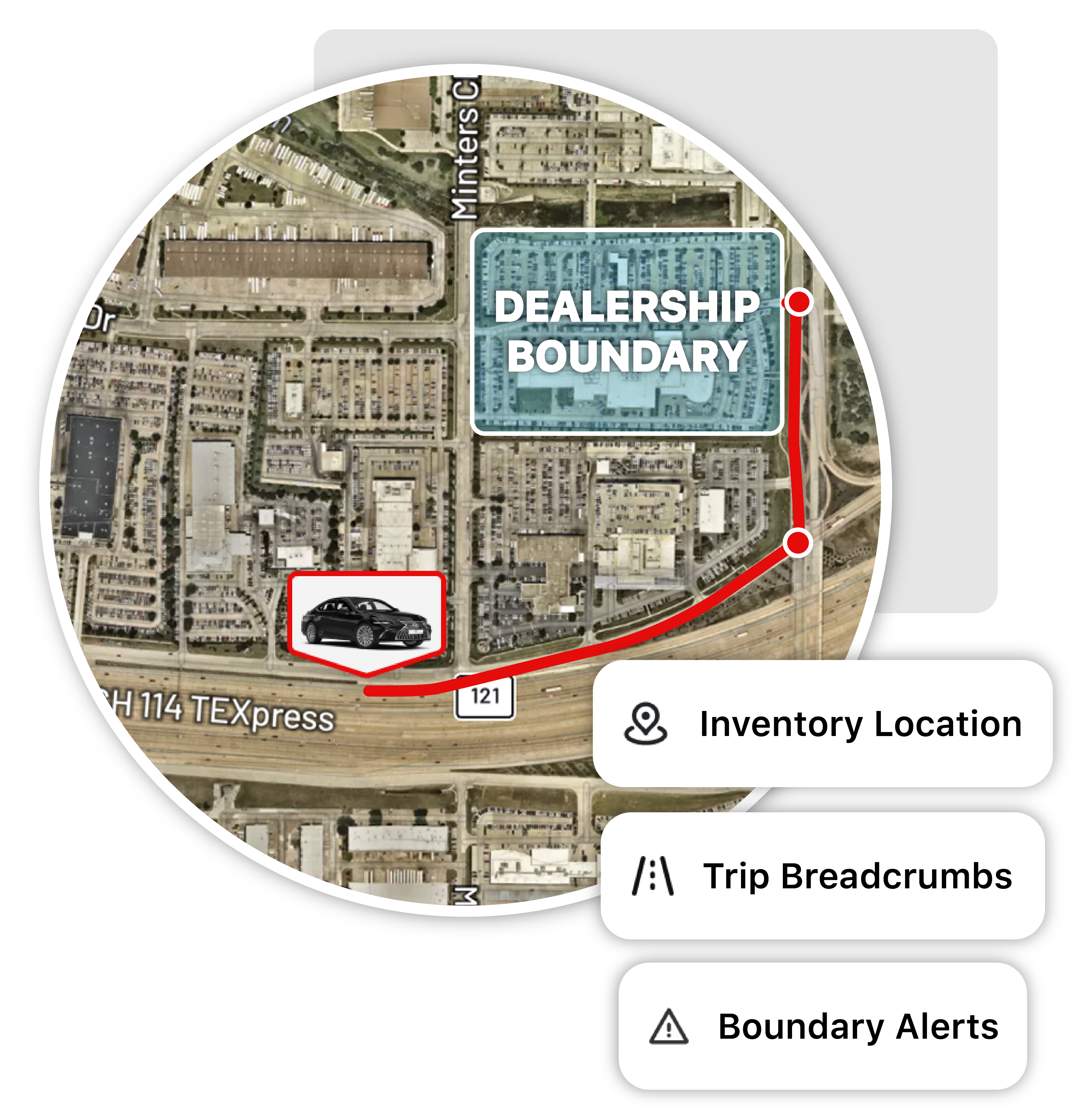
Stop inventory loss with near-real-time GPS tracking designed for rapid recovery. Ikon’s active theft recovery helps you secure your lot and lowers insurance premiums and deductibles.
Ikon Theft Recovery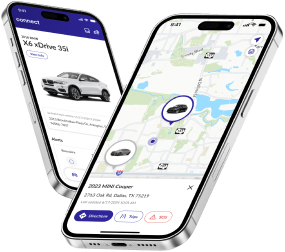
Get an avg. $323 PVR uplift by selling customers peace of mind and theft recovery featuring a $10,000 theft benefit. Your dealer-branded app keeps them connected to you, not the OEM.
Ikon Connected Car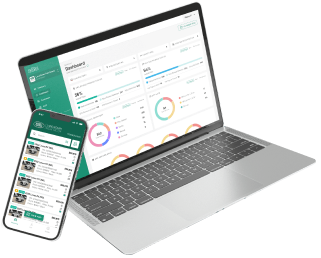
Maximize service retention and increase ROs with our mileage-triggered, automated text campaigns. We text customers at exactly the right time, driving them to your service scheduler.
Ikon Smart Marketing.jpg)
.jpg)
.jpg)
.jpg)