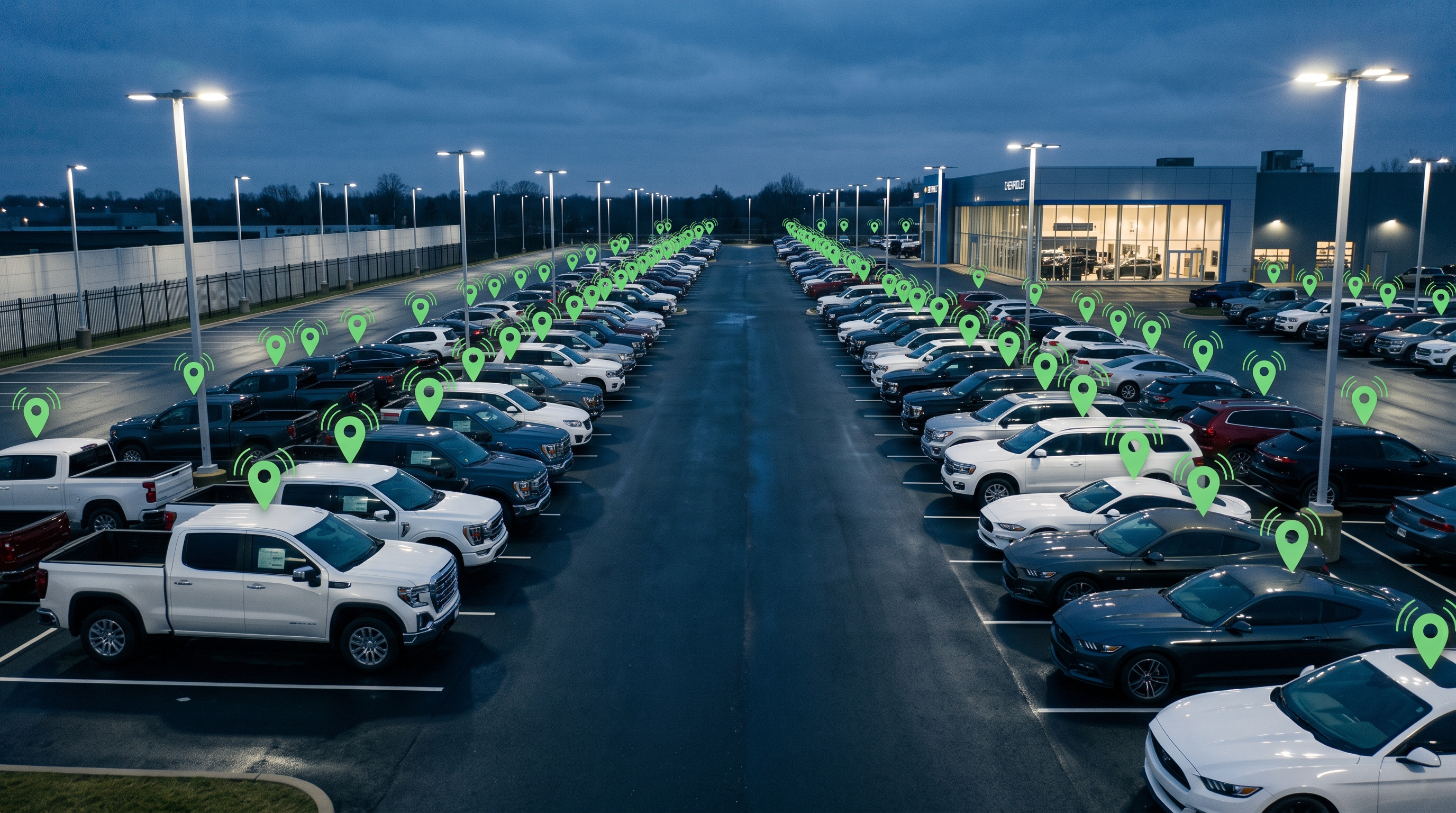
Built for Franchise Dealerships - Ikon Technologies delivers connected car intelligence, stolen vehicle recovery, lot management, F&I profit and automated service retention.
As car buyers stretch auto loans to 70+ months with low down payments, discover how auto dealerships can overcome lender advance caps, protect F&I profit, and drive fixed ops retention.
$7,107Average negative equity deficit on underwater trade-ins
70.5 Mo.Average new-vehicle loan financing length
113%Average loan-to-value (LTV) ratio on financed vehicles
According to recent automotive industry financing data, the retail landscape is colliding with a hard affordability ceiling. In the third quarter of 2026, average new-vehicle down payments dropped 7.8% year over year to $5,554, while the average amount financed climbed to $44,664. Stretched across an unprecedented 70.5-month average loan term, car buyers are shouldering $787 monthly notes while 57% of borrowers collectively owe more than their vehicle is worth.
For dealership leadership, this is not just a consumer budgeting challenge - it is a structural threat to the traditional retail business model. When customers carry thousands in negative equity across 72-to-84-month notes, the dependable 36-to-48-month trade-cycle disappears, and backend F&I profit centers face an unprecedented squeeze.
1. The Backend Squeeze: How Negative Equity Crowds Out Ancillary Products
While front-end sales desks battle payment fatigue, finance departments face a quiet crisis: the erosion of backend advance room.
When an auto loan starts at an average 113% LTV before a single ancillary product is presented, finance managers run straight into lender ceilings. Most indirect auto lenders enforce strict advance caps - typically limiting total financing between 120% and 130% of invoice or book value. When rolling $7,107 of underwater trade balance into a new deal, that deficit absorbs allowable margin, crowding out service contracts, maintenance agreements, and physical appearance protection.
The GAP coverage paradox: High-LTV deal structures put traditional GAP policies at risk. Many GAP administrators cap total loss benefit payouts at 125% of vehicle value. On deals pushed beyond that threshold by negative equity, a standard GAP claim still leaves the customer with an unpaid debt shortfall following a total loss or vehicle theft.
Payment pushback and cancellations: Tacking an extra $50 to $70 per month for traditional backend warranties onto an already stretched $787 payment triggers instant desk resistance and elevated cancellation rates.
Evaluating how technology solutions safeguard profit across departments is crucial to counteracting this compression. By analyzing the connected car technology ROI by department, finance directors can identify offerings that satisfy tight lender underwriting while preserving per-vehicle F&I revenue (PRU).
Dealer Pulse
Which affordability hurdle is impacting your showroom most right now?
Pick the one you run into most 👇
2. The Death of the 3-Year Trade Cycle
For decades, dealership sales velocity relied on the predictable trade cycle: lease renewals or equity parity at month 36 to 42. Sales desks pulled equity sheets, reached out to past buyers, and swapped them into a new vehicle with minimal friction.
That playbook collapses when a buyer owes 113% LTV on a six-or-seven-year term. At month 36 of an 84-month loan with low money down, depreciation dramatically outpaces amortization. Rolling $7,000+ of negative equity into another transaction blows up underwriting caps or demands manufacturer rebates that simply do not exist across every model line. If a driver cannot trade out of their vehicle until month 60 or 70 without substantial cash out of pocket, dealers face a multi-year loyalty void.
3. The F&I Presentation: Shifting from "Add-On" to "Asset Defense"
With consumer payment fatigue and tight lender caps restricting traditional menus, finance managers must reframe ancillary products around collateral defense and total cost of ownership.
Theft recovery defends against deficiency debt: Standard auto policies pay actual cash value (ACV) at the time of a loss. When an underwater vehicle is stolen and stripped, the customer remains on the hook for the loan-to-value deficiency. Integrating proven commercial solutions like dealership theft recovery with rapid law enforcement recovery protocols minimizes total-loss payouts, safeguarding both lender collateral and consumer equity.
Closing the equity gap with a $10,000 limited theft warranty: In worst-case scenarios where an unrecovered theft leaves an underwater buyer stranded, recovery platforms that include a $10,000 limited theft warranty act as a critical financial backstop. Because high LTV balances often exceed primary insurance payouts and standard GAP caps, this additional warranty cash benefit cushions the consumer's remaining deficiency. When warranty benefits are applied toward a replacement vehicle at your store, they erase the equity deficit and give the customer the buying power needed to finance another vehicle immediately.
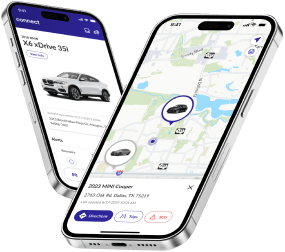
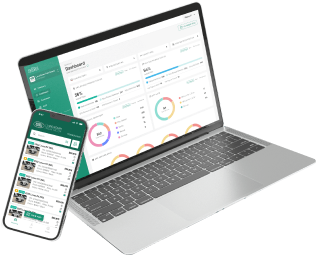
Pre-loaded telematics beats negotiable backend menu items: Rather than fighting for shrinking advance room on paper warranties at the signing table, dealerships that install connected car technology across their inventory deliver transparent, day-one utility. Through intuitive driver interfaces like Ikon Connect, buyers receive immediate digital value - real-time vehicle tracking, geofence boundary alerts, battery health monitors, and impact detection - turning protection into an essential digital safeguard rather than an arbitrary markup.
4. Bridging the 5-Year Void with Connected Fixed Operations
If an underwater customer cannot purchase another vehicle for five to six years, the service drive must become your primary operational touchpoint. The biggest leak in store profitability occurs when owners drift toward aftermarket quick-lube chains once factory warranties expire. On a 70-month loan, that defection completely severs customer retention.
Static mailers and generic calendar reminders ("It's been 6 months!") no longer cut through the noise. Dealerships must implement proactive automotive service retention strategies fueled by real-time vehicle data:
Odometer-Triggered Maintenance: Telematics feeds exact mileage readings directly to your service CRM, automating invitations precisely when tire rotations, brake jobs, or major factory milestones are due.
Predictive Diagnostics & DTC Alerts: When a diagnostic trouble code (DTC) activates or battery voltage drops, the service BDC can contact the customer with diagnostic clarity before the vehicle breaks down or visits an aftermarket competitor.
The Strategic Takeaway for Dealerships
Stretched loan terms, tighter lender advance caps, and compounding negative equity do not have to stall dealership profitability. Progressive stores are turning connected telematics into a fixed ops growth engine, defending backend F&I margins, and safeguarding vehicle collateral. By locking in service loyalty today, your store ensures that when your customer finally clears their negative equity hurdle, your showroom is the only place they go to finance their next vehicle.
Want to dig deeper into Ikon's potential for your dealership?
100% Visibility of Cars & Keys, Always Be Appointment Ready
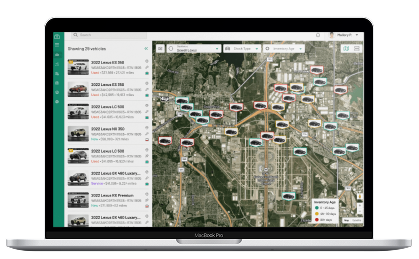
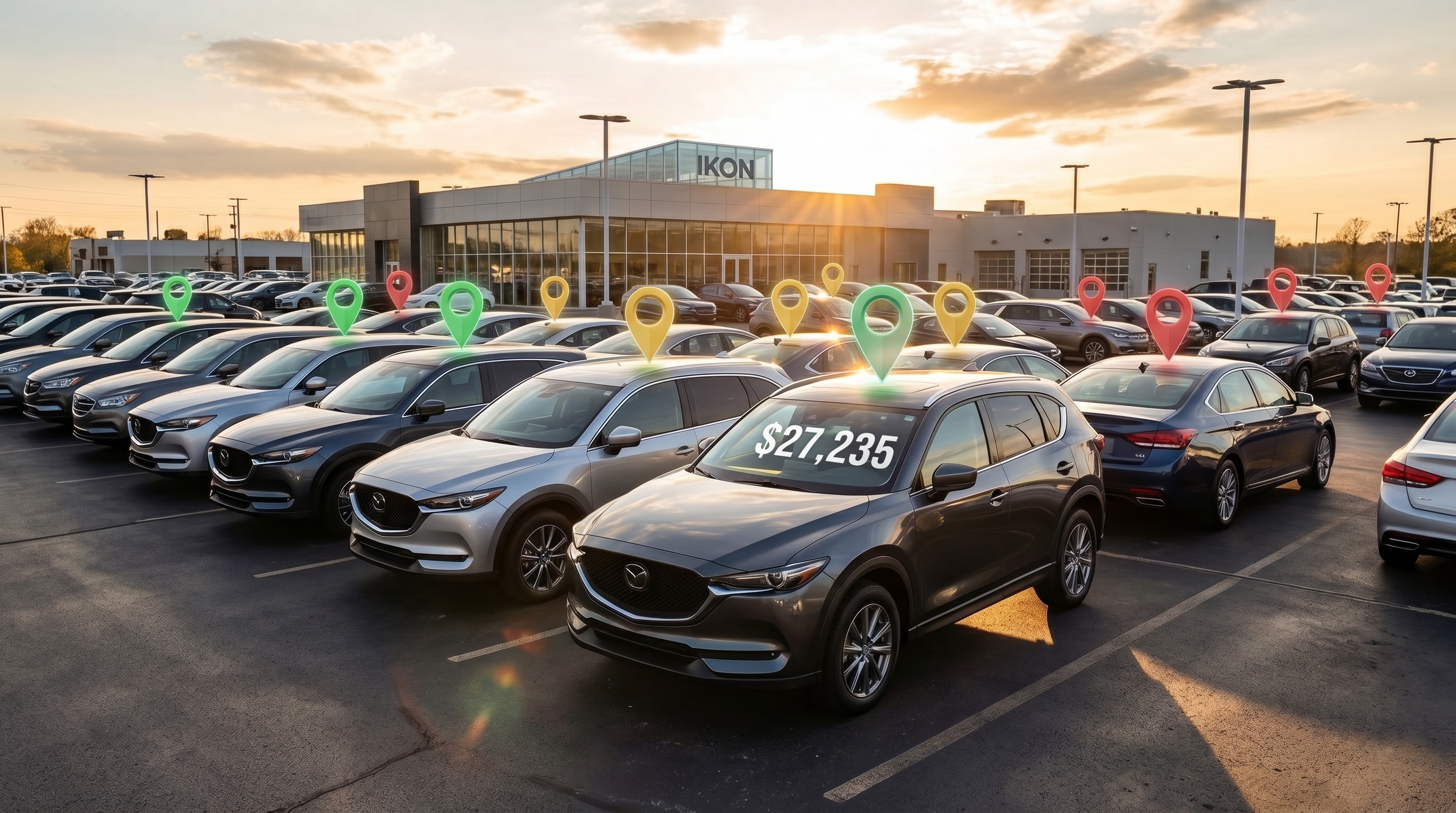
Master your lot. Locate cars and keys effortlessly to accelerate sales, check battery levels, run audit reports, view lot aging, all with no upfront device costs. We only make money when you do.
Inventory Protection that Gets Stolen Cars Back Fast & Reduces Insurance Costs
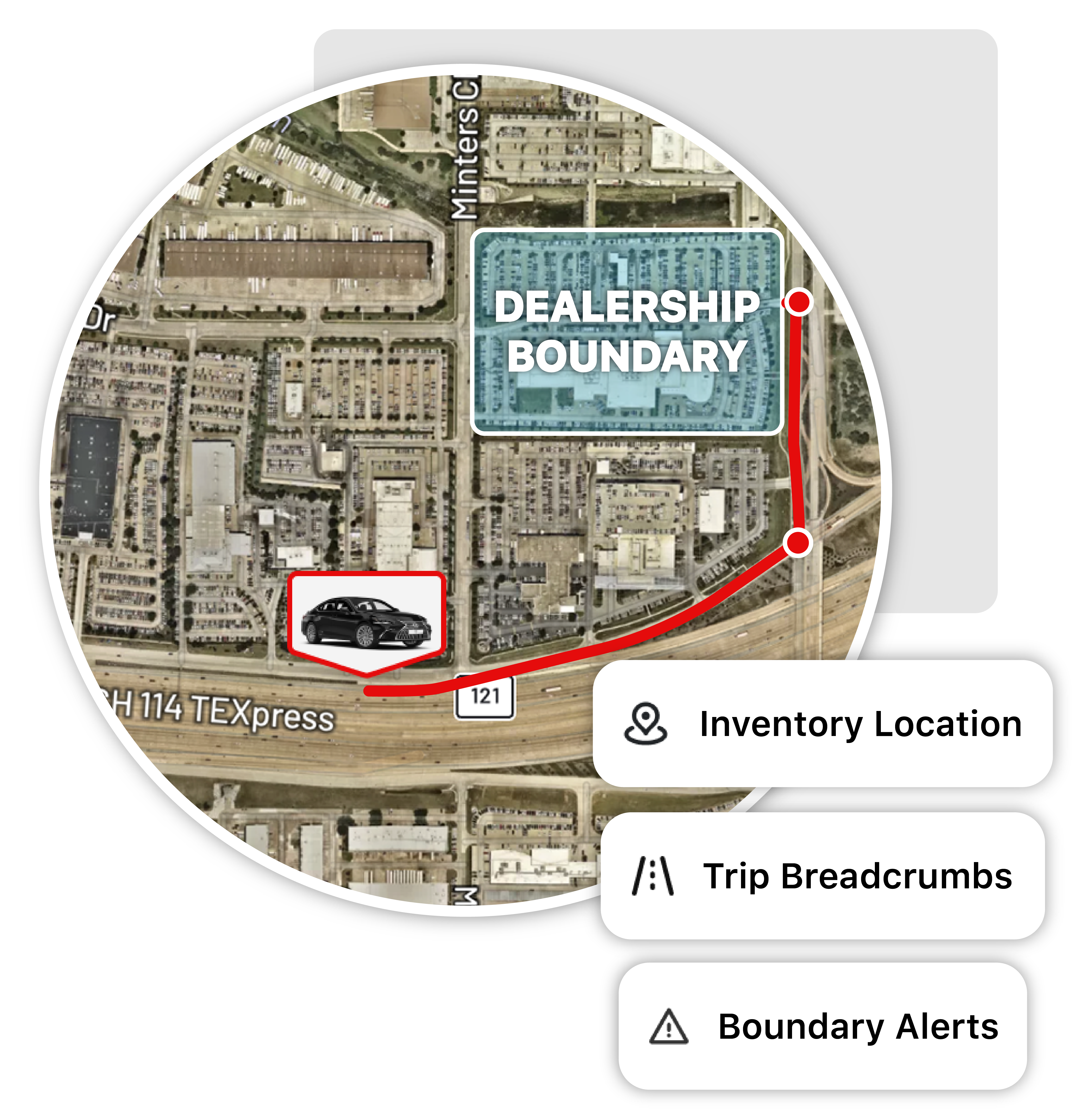
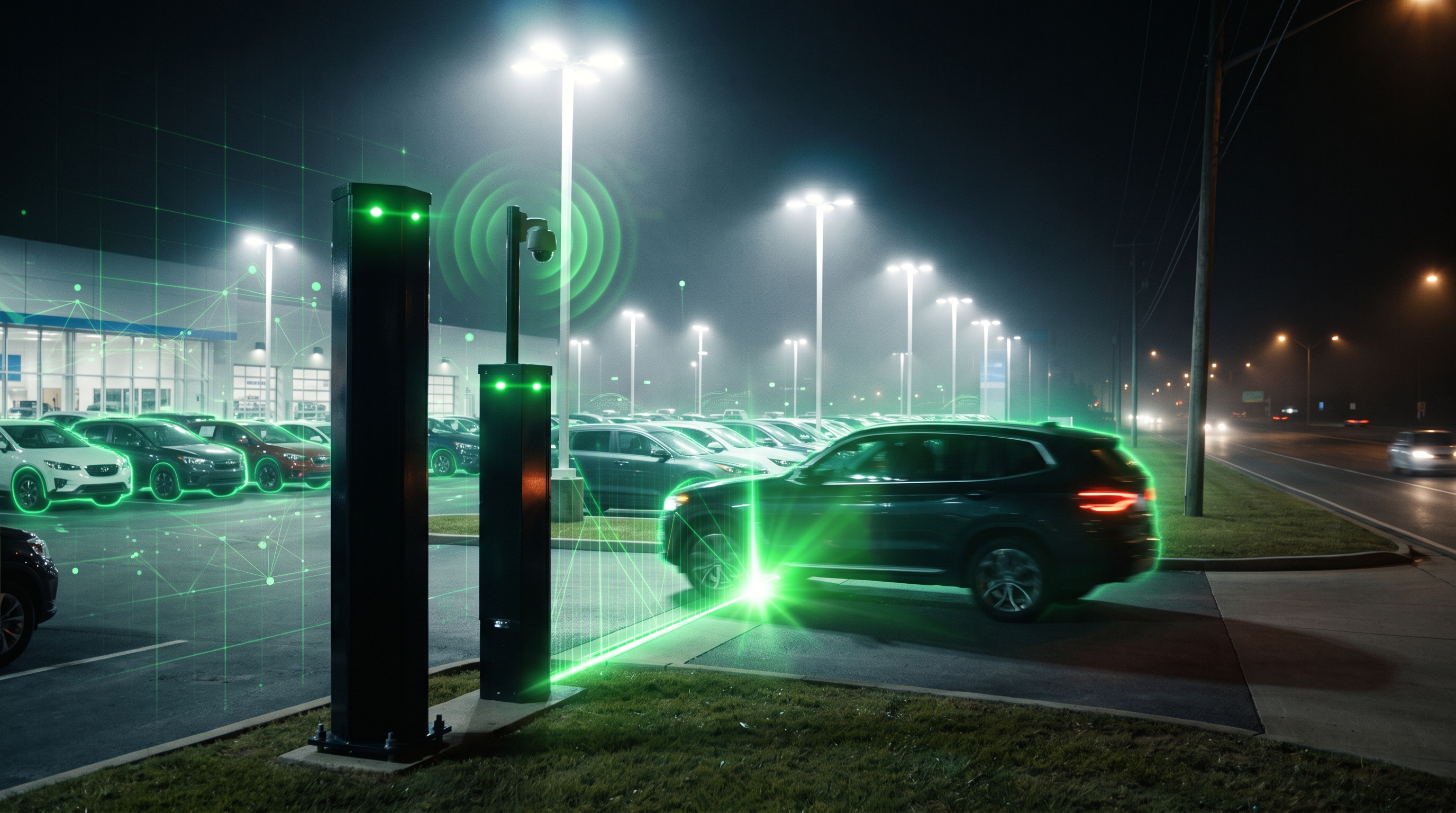
Stop inventory loss with near-real-time GPS tracking designed for rapid recovery. Ikon’s active theft recovery helps you secure your lot and lowers insurance premiums and deductibles.
A Lucrative F&I Product for You and An App & Benefit With Real Value for Them
Get an avg. $323 PVR uplift by selling customers peace of mind and theft recovery featuring a $10,000 theft benefit. Your dealer-branded app keeps them connected to you, not the OEM.
Service Retention on Steroids, Keep Them Coming Back
Maximize service retention and increase ROs with our mileage-triggered, automated text campaigns. We text customers at exactly the right time, driving them to your service scheduler.