Headlines this week might give dealership principals and executive managers a quick sense of relief. The Federal Trade Commission (FTC) officially dismissed its long-running administrative complaint against Asbury Automotive Group, coming right alongside news of the agency concluding its enforcement action with Greenway Auto Group.
At first glance, it is easy to assume the federal spotlight on dealership pricing models and Finance & Insurance (F&I) add-ons is finally fading.
Taking a victory lap or loosening up sales desk compliance would be a costly mistake. Dismissing administrative charges against Asbury and resolving matters with Greenway does not represent an FTC retreat - it represents a procedural recalibration. The underlying regulatory mandate around advertised prices, consumer consent, and aftermarket disclosure remains as aggressive as ever.
For franchise stores navigating today's retail landscape, understanding the mechanics of these decisions is critical to protecting gross profit while keeping your compliance ironclad.
1. Deconstructing the Actions: Asbury, Greenway, and FTC Dealer Policy Enforcement
To understand where automotive retail regulation is headed, you have to separate legal venue battles from regulatory policy.
The Asbury Dismissal Was About Venue, Not an Exoneration
The FTC did not drop its administrative case because it had a sudden change of heart regarding dealer pricing practices. The administrative action had been stayed while Asbury mounted an aggressive federal court challenge targeting the FTC's in-house administrative tribunal structure.
Faced with procedural gridlock before ever arguing the merits, the FTC made a tactical exit from its own administrative forum. In its dismissal order, the agency stated its intention to take enforcement priorities straight to federal district court while pointedly reiterating its ongoing focus on dealership price transparency.
The Greenway Resolution Cemented Clear Upfront Pricing
Resolutions like Greenway reinforce the same baseline message: vehicle pricing must be transparent from the very first customer touchpoint. Advertised figures cannot serve as lowball bait that gets inflated in the F&I office through surprise, forced add-ons.
Pre-loading accessories or protection packages and slipping them onto the retail installment contract as mandatory, undisclosed fees.
Tacking on charges for products or services without explicit, documented consumer consent.
Advertising a vehicle price online that cannot actually be purchased without buying additional dealer products.
Regulators have never stated that dealerships cannot offer aftermarket protection, security hardware, or digital services. What they demand is an unambiguous, upfront process where the customer understands what they are buying and gives express informed consent.
2. The Trap of "Worthless" Add-Ons: Utility Under the Microscope
Beyond hidden fees and surprise charges, there is another critical pillar in the FTC's enforcement playbook that dealers frequently overlook: the scrutiny of products that deliver little or no genuine consumer value.
Regulators are increasingly targeting items categorized as "junk fees" or "phantom products". When an aftermarket item carries an inflated price tag but offers negligible real-world utility, it invites immediate investigation.
High-Risk Product Categories Under Scrutiny
- Paper-Thin Warranties and Etch Products: Basic window etching or nominal theft certificates that offer minimal actual recovery assistance while costing hundreds of dollars.
- Low-Utility Chemical Packages: Generic fabric protection or spray-on sealants marked up astronomically above product cost without meaningful warranty backing.
- Duplicate or Ineffective Coverages: GAP coverage sold on deals where low loan-to-value ratios mean the customer cannot benefit, or service contracts overlapping manufacturer bumper-to-bumper warranties.
Selling products that provide questionable benefit creates double the liability: it triggers consumer friction at the desk and hands regulators a compelling narrative that the product was sold through deception rather than genuine demand. True F&I product compliance requires evaluating not just how you disclose an item, but what that item actually delivers to the person paying for it.
3. The Commercial Impact: Moving Past the Defensive Crouch
Much of the industry has operated in a defensive crouch regarding aftermarket products, questioning how to preserve healthy back-end gross without attracting regulatory blowback.
The lesson from recent maneuvers involving Asbury and Greenway is that compliance cannot just be an afterthought handled by the legal team. It has to be designed directly into the store’s sales workflow. Forward-thinking operators are refining their approaches across lot management operations to ensure transparency at every stage of vehicle staging and presentation.
Stores that try to preserve margins through opaque desk practices, vague line items, or low-utility products will find themselves exposed to scrutiny from both federal regulators and state attorneys general. Conversely, forward-thinking stores are realizing that regulatory transparency actually solves an age-old friction point: customer distrust. When a product provides unmistakable ownership utility, it does not need to be hidden in the paperwork. It earns its place on the menu presentation.
4. The New Standard for F&I Product Compliance
In this operating environment, achieving true F&I product compliance means legacy add-ons that offer vague consumer utility are increasingly difficult to justify on a menu. Today's buyers want digital capability, security, and measurable value.
This is where connected vehicle technology shifts how top-performing stores approach dealership operations and customer delivery:
| Dealership Operational Value |
Consumer Ownership Utility |
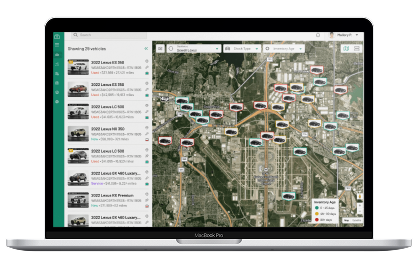
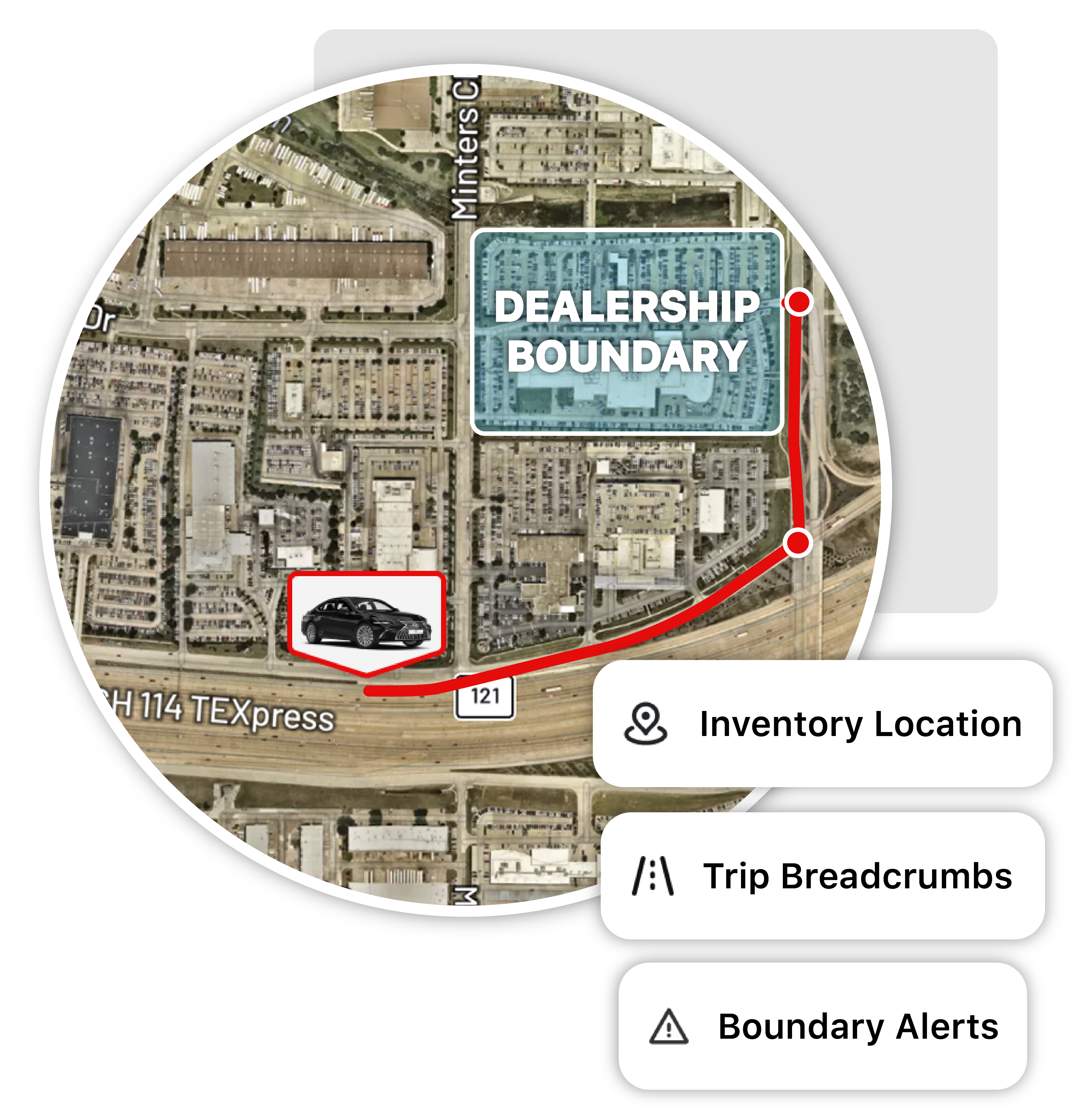
| Real-time inventory tracking and lot aging visibility across all rooftops. |
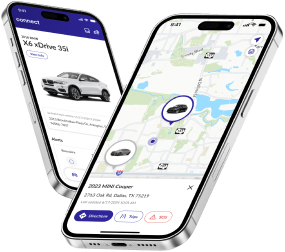
Connected mobile app featuring location monitoring and vehicle status updates. |
| 12V battery health diagnostics preventing dead batteries on test drives. |
Real-time maintenance alerts and automated service reminders. |
| Asset protection backed by dedicated dealership theft recovery infrastructure. |
Direct stolen vehicle recovery assistance coordinated with law enforcement. |
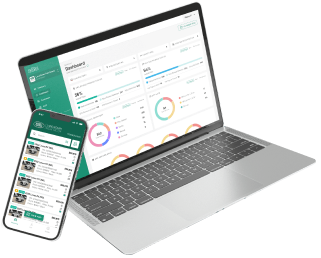
When intelligent platforms like Ikon Technologies are woven into this model, the F&I conversation fundamentally shifts. Because the system provides actionable connected vehicle services that modern car buyers actively use, it transitions from a defensive compliance discussion into a value-driven customer enhancement. This foundation also empowers dealerships to drive long-term retention by linking telematics to automotive service retention workflows that bring drivers back to your service bays.
Furthermore, having a platform engineered for clean dealership workflows means the consumer activation remains completely transparent, fully disclosed on the menu, and backed by verifiable customer sign-off - fulfilling the highest bar for F&I product compliance.
5. Four Practical Steps for Franchise Stores Today
To ensure your dealership stays ahead of federal and state regulatory scrutiny while keeping F&I production high, implement these immediate operational checks:
-
1
Reconcile VDPs with First Pencil Sheets: Conduct weekly audits comparing your digital vehicle display page (VDP) pricing against desk worksheets. Ensure any pre-installed equipment or protection products are not presented as mandatory surprise additions.
-
2
Audit Product Utility and Tangible Value: Review every item currently featured on your aftermarket menu. If an item cannot demonstrate clear, measurable utility to the vehicle owner, replace it with high-value technology that drivers actively appreciate and utilize. Evaluating your portfolio through a comprehensive
departmental ROI breakdown helps pinpoint which products justify their placement on your menus.
-
3
Shift the Presentation Upstream: Rather than letting connected technology live exclusively as a line item on the final F&I menu, train sales consultants to highlight connected car features - such as digital lot check-in, remote tracking, and service connectivity - during the vehicle walkaround and demonstration drive.
-
4
Standardize Explicit Consent Documentation: Ensure every aftermarket addition on your buyer's orders is clearly labeled with explicit descriptions, and verify that your electronic menu captures distinct customer opt-in signatures for each optional product.
The dismissal of the Asbury complaint and the Greenway settlement reflect shifting legal battlegrounds, not a retreat from FTC dealer policy enforcement. The FTC is narrowing its focus on cases it can litigate cleanly in federal court, and vehicle pricing transparency combined with add-on utility remains at the top of that list.
Dealerships that thrive in this era will not be the ones attempting to bypass disclosure rules or lean on phantom add-ons. The market belongs to stores that pair clean, transparent business practices with modern connected car platforms that deliver undeniable value to both the dealership and the driver.


.jpg)



.jpg)