Odometer-based service marketing for dealerships uses the vehicle's mileage to decide exactly when marketing should occur, then routes that customer into the dealership's own scheduler.
The value sits in timing service outreach to real use of the vehicle instead of guessing from a calendar. Done right, the trigger ends in a booked appointment.
For a Fixed Ops director, the harder question is whether the rooftop can carry that mileage trigger all the way to a compliant message, a confirmed appointment, and a customer-pay RO that ties back to the original signal. Public dealer head-to-head tests against calendar reminders are thin, so the safer evaluation asks whether each touch was relevant and whether the store can prove the repair order.
With Ikon, our patented Smart Marketing program watches calculates the GPS-based mileage, compares it against the customer's service history and the maintenance interval, and starts text-based outreach when the vehicle is due for service. From there, the customer gets routed straight into the dealer's own appointment process, not a generic landing page.
In practice, the rooftop needs a VIN tied to the customer record and either a current odometer or a defensible mileage estimate. Live telematics lets the campaign fire closer to the real maintenance event, while an estimate built from prior repair orders depends on how recently the store captured mileage. Our Smart Marketing platform uses miles driven to trigger dealer-branded outreach and route the customer into service appointment scheduling rather than a third-party booking flow.
The message itself should name the reason the dealership is reaching out now, whether that is an oil service coming due or a mileage interval close enough to schedule. From there, the customer clicks into the dealership's online scheduler and the customer books a slot and keeps the resulting RO tied back to the trigger, which is also how the broader Ikon platform connects lot ops to retention.
Mileage brings the reminder closer to how the customer actually uses the vehicle. Two owners who bought the same model on the same weekend can need service months apart if one commutes hard and the other barely drives.
Customers already expect service communication to recognize their vehicle. Cox Automotive's ownership research shows personalized reminders based on mileage or age rate as helpful with 80% of dealership servicers, and those reminders drive unplanned service visits for 47% of them.
We are not going to claim every odometer campaign beats every calendar campaign in a public A/B test, because that data does not exist at dealer scale. The defensible claim is simpler: mileage gives the store a sharper service reason and cuts touches that arrive too early or too late. That matters because dealer share of service visits has been falling, and a dealer-branded mileage reminder gives the rooftop a timely reason to stay in the customer's post-sale routine before a quick-lube or general repair shop captures the habit.
Ikon not only triggers the right message at the right time, but it provides a "click report" to dealers to follow up! This way, an odometer-triggered campaign click can be treated like a warm service lead, not a cold outbound. The rep needs the vehicle and the mileage reason in front of them before the customer picks up, and Ikon provides that.
First-service visits are the easiest retention win, because many buyers intend to come back but never get put on the calendar. Cox reports that only 23% of all buyers had a first service appointment scheduled for them, which leaves a sizable gap between purchase intent and service-lane behavior. For later intervals, suppression rules carry the weight: customers who already booked, recently serviced, or opted out should not keep getting nudged, and the BDC stays focused on owners who can actually convert.
The scorecard has to follow the trigger all the way to a shown appointment and a customer-pay RO. Clicks only matter when leadership can connect them back to a specific repair order in the DMS.
At the top of the funnel, the store should see how many vehicles crossed a mileage threshold and how many got suppressed because the customer opted out or already booked. The middle of the report tracks response, set appointments, and show rate. The bottom line is CP ROs and dollars, and that is where NADA's 2025 dealer benchmark of $494 in service and parts sales per customer-pay RO gives leadership a usable yardstick. Our piece on closing the service leak walks through the same math from a different angle.
Push the vendor to show the full path from mileage source to booked RO. If the demo stops at automated reminders, the rooftop is still left solving the hard parts alone, which is where most programs quietly underperform.
Use the questions below in any vendor review or renewal conversation. The recall question matters more than dealers usually assume: per NHTSA's recall guidance, a safety recall is tied to unreasonable safety risk or a noncompliance with minimum safety standards, and the dealer fix is free to the customer. That outreach should never feel like a coupon campaign with a recall label.
Once mileage drives the reminder, the store has fewer places to hide. Bad data, weak consent, or a loose BDC process shows up as wasted touches long before it shows up as lost retention. The best programs feel less like a campaign and more like a service-lane operating routine, run on the same record every advisor already uses.
If mileage triggers are sharp but the scheduler is weak, the customer can still drift to a quick-lube down the road. Dealer-controlled data matters because the first useful service prompt often becomes the next service habit, and a compliant program lowers wasted contact while giving leadership a cleaner customer-pay RO story to defend in the monthly review.
Start by auditing one high-volume maintenance interval from the DMS to the scheduler and then to the closed RO. If the rooftop cannot see that path today, fix the data and the workflow before adding more reminders on top of it.
Yes, a dealership can text mileage-based service reminders when it has the required prior express written consent for marketing texts and can produce that proof if challenged. The program also needs an opt-out process that updates the customer record before the next campaign fires, so a revoked customer never receives the following wave.
An estimated odometer is workable, but the team should label it as estimated and treat the timing as less precise than a live read from, Ikon's GPS system. The estimate should come from recent RO history or another defensible mileage capture point, not a flat calendar assumption that ignores how the customer actually drives.
Yes, declined-service reminders fit when the message names the prior recommendation and gives the customer a simple booking path. Cox research shows reminders about declined services influence 28% of dealership servicers, so they can support retention as long as the store uses them carefully and does not stack them onto every other mileage touch.
They can share the same customer and scheduling infrastructure, but the message itself should be handled differently. A recall is safety-led outreach, and the customer should be routed to the dealership for the free remedy rather than treated like a routine maintenance promotion bundled with discount language.
First-service scheduling gives the mileage program a stronger starting point because the customer has not yet formed another service habit. Cox reports that only 23% of all buyers had a first service appointment scheduled for them, even though most new buyers say they would return to the selling dealer if asked at the right moment.
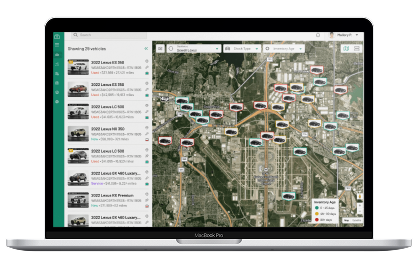
Master your lot. Locate cars and keys effortlessly to accelerate sales, check battery levels, run audit reports, view lot aging, all with no upfront device costs. We only make money when you do.
Ikon Lot Management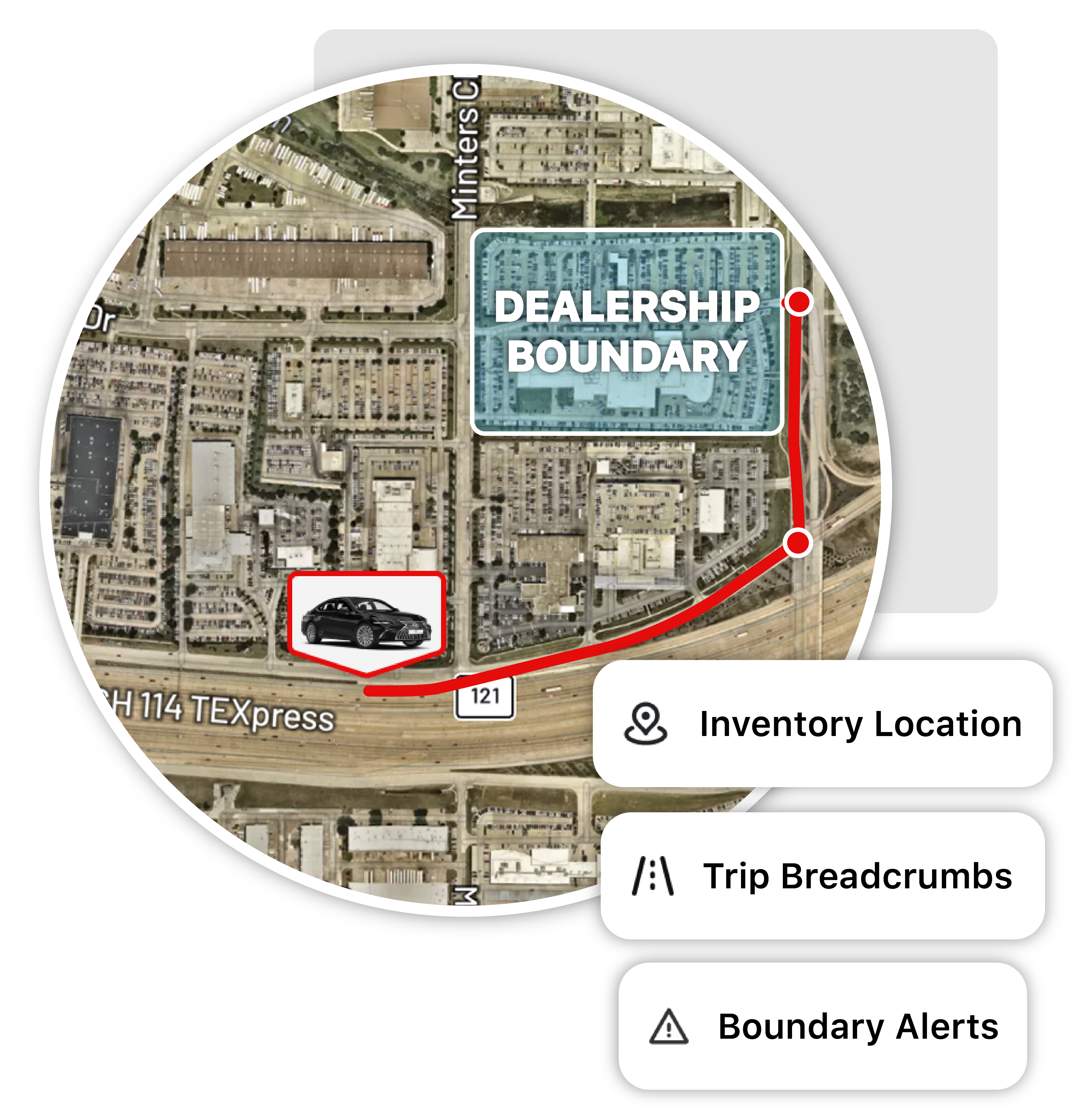
Stop inventory loss with near-real-time GPS tracking designed for rapid recovery. Ikon’s active theft recovery helps you secure your lot and lowers insurance premiums and deductibles.
Ikon Theft Recovery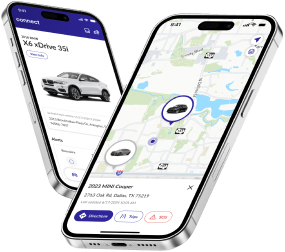
Get an avg. $323 PVR uplift by selling customers peace of mind and theft recovery featuring a $10,000 theft benefit. Your dealer-branded app keeps them connected to you, not the OEM.
Ikon Connected Car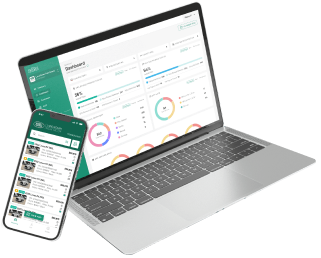
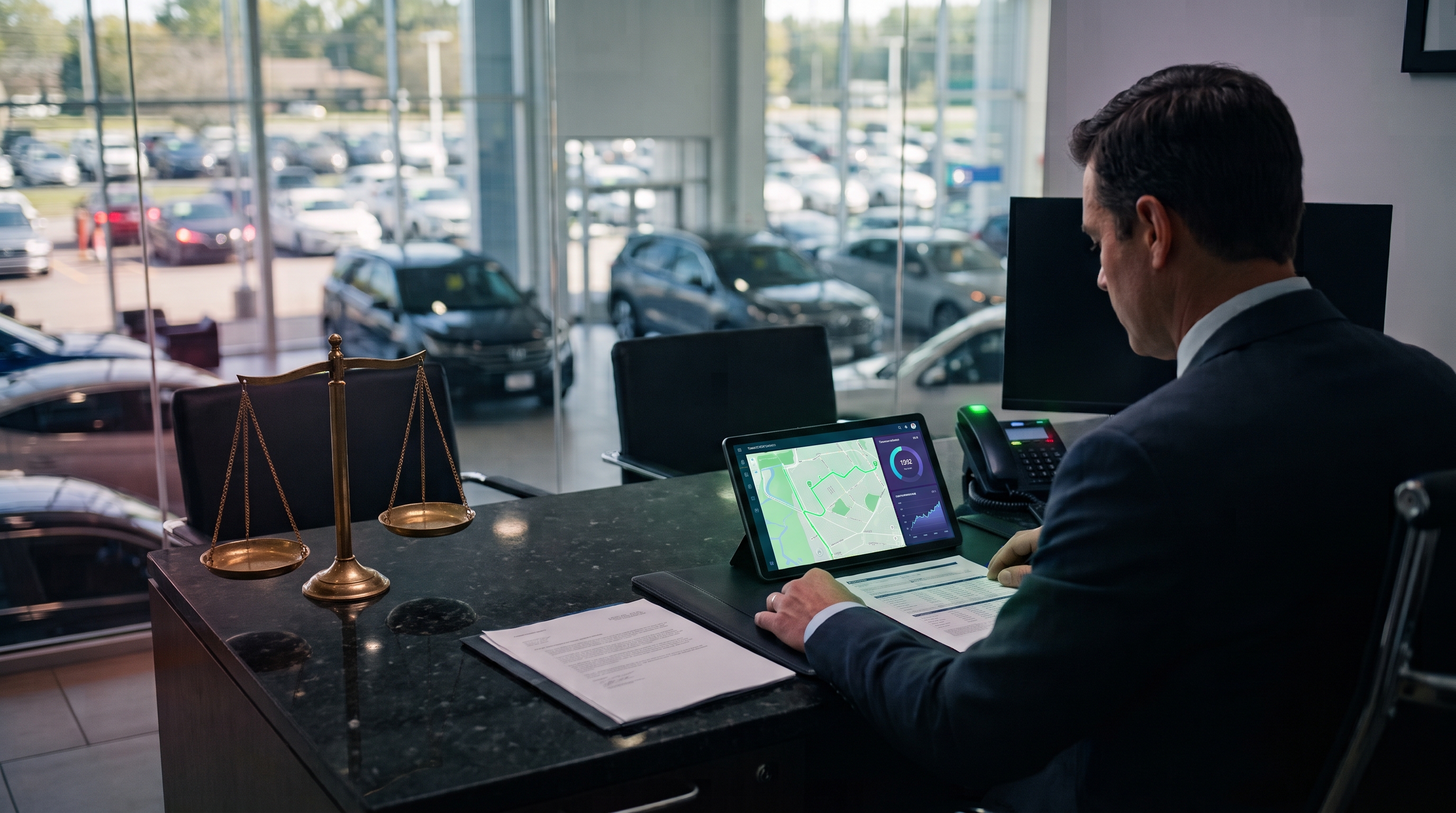
Maximize service retention and increase ROs with our mileage-triggered, automated text campaigns. We text customers at exactly the right time, driving them to your service scheduler.
Ikon Smart Marketing.jpg)


.jpg)