The Ultimate Guide to Vehicle Recovery Systems: How Active Tracking Protects Dealership Assets
A vehicle recovery system is an active telematics framework combining GPS tracking hardware and cellular connectivity to locate and retrieve stolen assets in real time. Unlike passive security systems, a recovery system provides live tracking data directly to law enforcement to facilitate rapid vehicle retrieval after a theft occurs.
Car theft tactics have evolved. Modern vehicle theft is highly sophisticated, often carried out by organized rings utilizing signal-jamming equipment and rapid transport networks. For automotive dealerships, relying on traditional vehicle security is no longer a viable asset protection strategy.
To safeguard inventory and protect lot profitability, understanding the mechanics of a modern vehicle recovery system is essential. This comprehensive guide breaks down how these systems function, why they have replaced passive security hardware, and how to evaluate the best theft recovery solutions for your store.
Historically, vehicle security relied on local deterrents—such as audible alarms, steering wheel locks, or ignition kill switches—designed to prevent a thief from driving away. A vehicle recovery system assumes a breach will occur and focuses entirely on the critical post-theft window, providing continuous location visibility until the asset is safely returned to the lot.
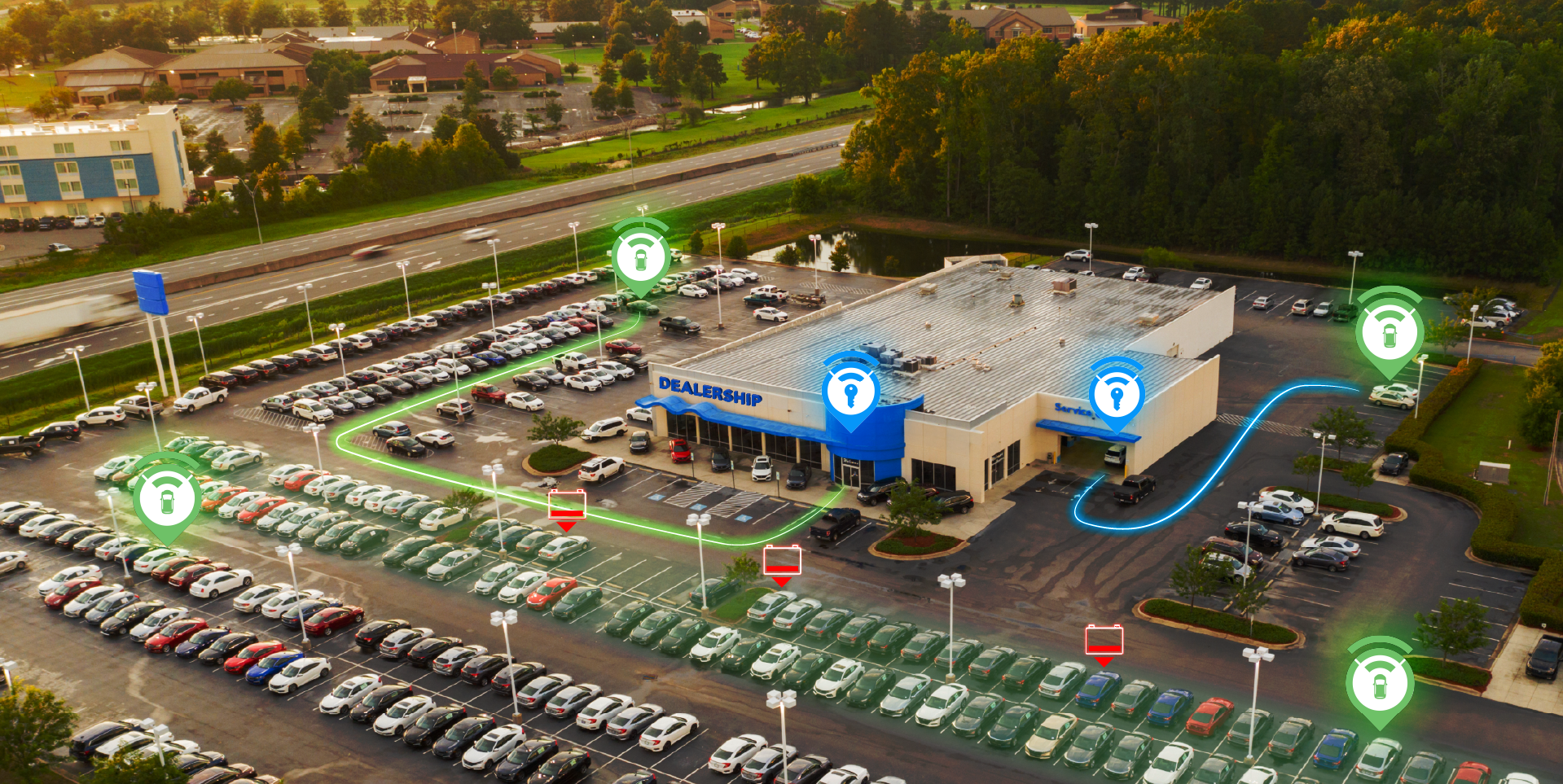
Modern recovery hardware is hidden deep within a vehicle's frame or electrical infrastructure rather than being plugged into the easily accessible OBD-II port. The technology operates across three distinct layers to ensure a seamless tracking sequence:
For decades, the automotive market treated theft protection as a prevention problem. However, sophisticated criminals easily bypass factory alarms, cloned key fobs, and digital relay attacks within seconds.
Once a vehicle is stolen, a passive deterrent is useless. A true recovery system shifts the advantage back to the dealership by turning the vehicle into a live tracker.
When comparing platforms like LoJack, RecovR, and ELo GPS, dealerships must look past basic GPS capabilities. A vehicle tracking system is only as effective as its integration with law enforcement.
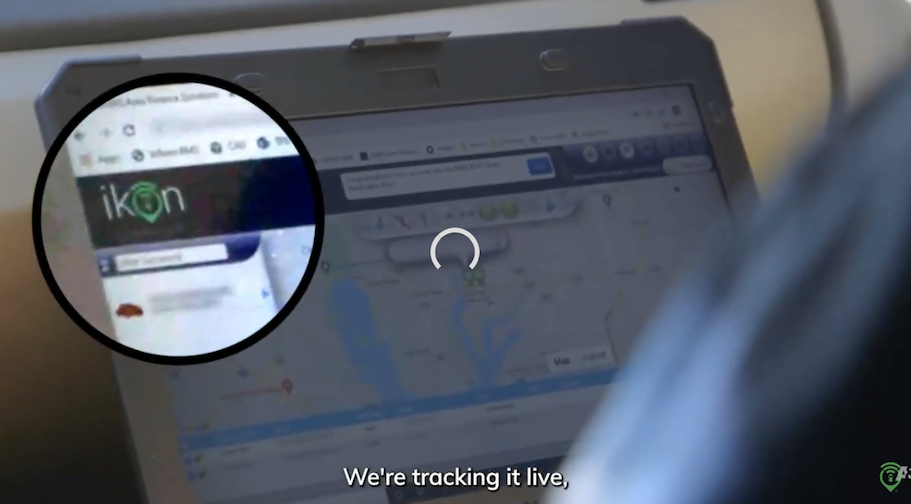
Many legacy systems slow down recovery times by requiring police dispatchers to log into proprietary portals or download native mobile apps to view coordinates. The modern benchmark for the stolen vehicle recovery market relies on instant, browser-based data sharing.
By utilizing systems that generate a secure "Stolen Mode" live link, dealership lot managers can instantly text or email a real-time tracking map to responding officers. This eliminates communication friction, allowing law enforcement to track the asset on their existing dashboard terminals and safely intercept it—driving average recovery times down to under 20 minutes.
Implementing comprehensive asset protection across hundreds of vehicles can traditionally strain a dealership's cash flow. To mitigate this risk, look for a recovery partner that utilizes a zero-upfront consignment model.
Instead of requiring heavy capital expenditure (CapEx) to purchase hardware for your entire lot inventory up front, a consignment program allows you to equip every vehicle for free. The cost of the device is only realized when the vehicle is sold to a retail buyer. This turns asset protection from an expensive operational overhead cost into a high-margin profit center within your finance and insurance (F&I) department, all while keeping your lot fully protected during the stay.
.jpg)






.jpg)