The Ikon Blog
What Is Ikon Technologies? Dealer-Built Telematics for Lot Ops, Protection, and Retention

What is Ikon Technologies? It is a dealer-built telematics platform designed for franchise stores that need tighter lot control, stronger vehicle protection, and better post-sale retention. Instead of acting like a generic GPS vendor, Ikon ties inventory visibility, a dealer-branded owner app, and mileage-based service marketing into one dealership-centered system.
That matters because the pressure points are connected. When teams cannot find cars and keys, the showroom slows down. When inventory leaves the lot unexpectedly, the store needs real-time visibility. When sold customers drift away after delivery, fixed ops and future sales both take a hit. Ikon is built around those three realities, with a strong dealer-control position at the center.
Here is the practical value this article covers before you decide whether the platform fits your store.
That gives you the full picture, not just the product pitch.
Ikon Technologies is a dealer-built telematics platform for automotive retailers, built to help stores find cars and keys faster, protect inventory, and stay connected to sold customers after delivery. As discussed on Ikon’s About page, the company was founded by seasoned auto dealers and positions itself clearly as by dealers, for dealers. It groups lot management with Find the Car, Find the Keys™, Smart Marketing, and a dealer-branded Connect app as its core operating pillars.
That definition is important because Ikon is not just a theft-recovery add-on. It is meant to support sales, F&I, fixed ops, and ownership at the same time. The platform starts on the lot with inventory visibility, extends into consumer-facing connected-car features, and then feeds dealer-branded retention through GPS mileage-based service reminders and text-based customer engagement that converts to real service appointments and high-intent leads.
The timing lines up with what franchise dealers are already seeing in the lane and on the balance sheet. The 2026 Cox Automotive Fixed Operations and Ownership Study says average dealer service and parts revenue reached about $9.23 million in 2025, up 33% over eight years. The same study says nearly two-thirds of owners now keep vehicles for five years or more, while average new-vehicle prices have pushed past $50,000. That means the post-sale relationship lasts longer and carries more service value than it did a few years ago.
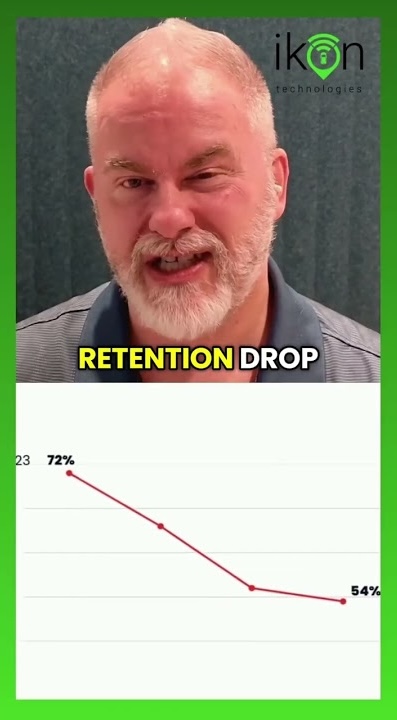
At the same time, dealers are not automatically keeping that business. Cox says dealer share of service visits fell from 33% to 29%, even while service revenue climbed. That is the exact environment where dealer-controlled retention matters. A store needs useful touchpoints between the sale and the next RO, not just a CRM blast that lands at the wrong time. As Cox Automotive’s study makes clear, stronger retention now depends on digital tools, personalization, and cleaner handoffs across departments.
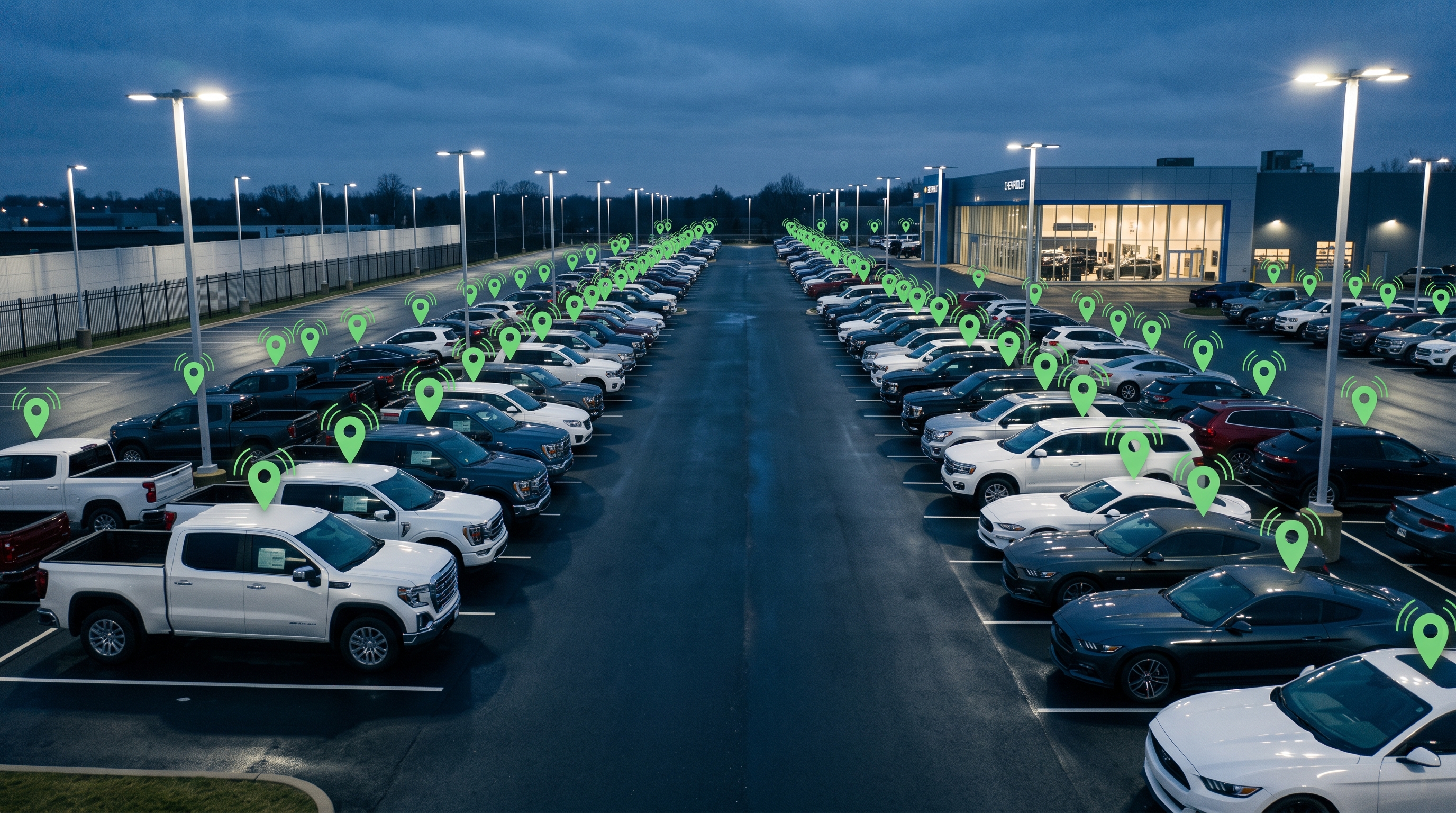
Lot friction still kills speed to sale. A customer is ready for a walkaround or test drive, the unit is somewhere on a back line, the key is in the wrong pocket or desk, and now the salesperson is burning time instead of building momentum. That is the pain Ikon’s Find the Car, Find the Keys™ concept is meant to solve. It gives teams faster visibility across larger campuses, which helps with appointment readiness, service pull-ahead, and making sure the right unit is actually ready when the customer is.
The underlying economics are not hard to understand. AutoSuccess reported that more than half of shoppers will not wait more than 25 minutes for a test drive. The same report says dealerships using asset-tracking technology saw a 95% reduction in key loss, up to a 45-minute faster sales cycle, and about $2,000 per month in avoided replacement-key expense. For a sales manager, that is not a gadget story. That is gross protection, better CSI, and fewer deals lost to preventable chaos. If you want the dealership-side use case, the lot management workflow is where Ikon becomes operational, not theoretical.
The protection value shows up in the response sequence, not just the hardware on the car. NICB reported 1,020,729 vehicles stolen in the United States in 2023, so dealers do not need a scare tactic here, they need a faster playbook when inventory moves without approval. NICB’s theft data confirms the risk is still very real.
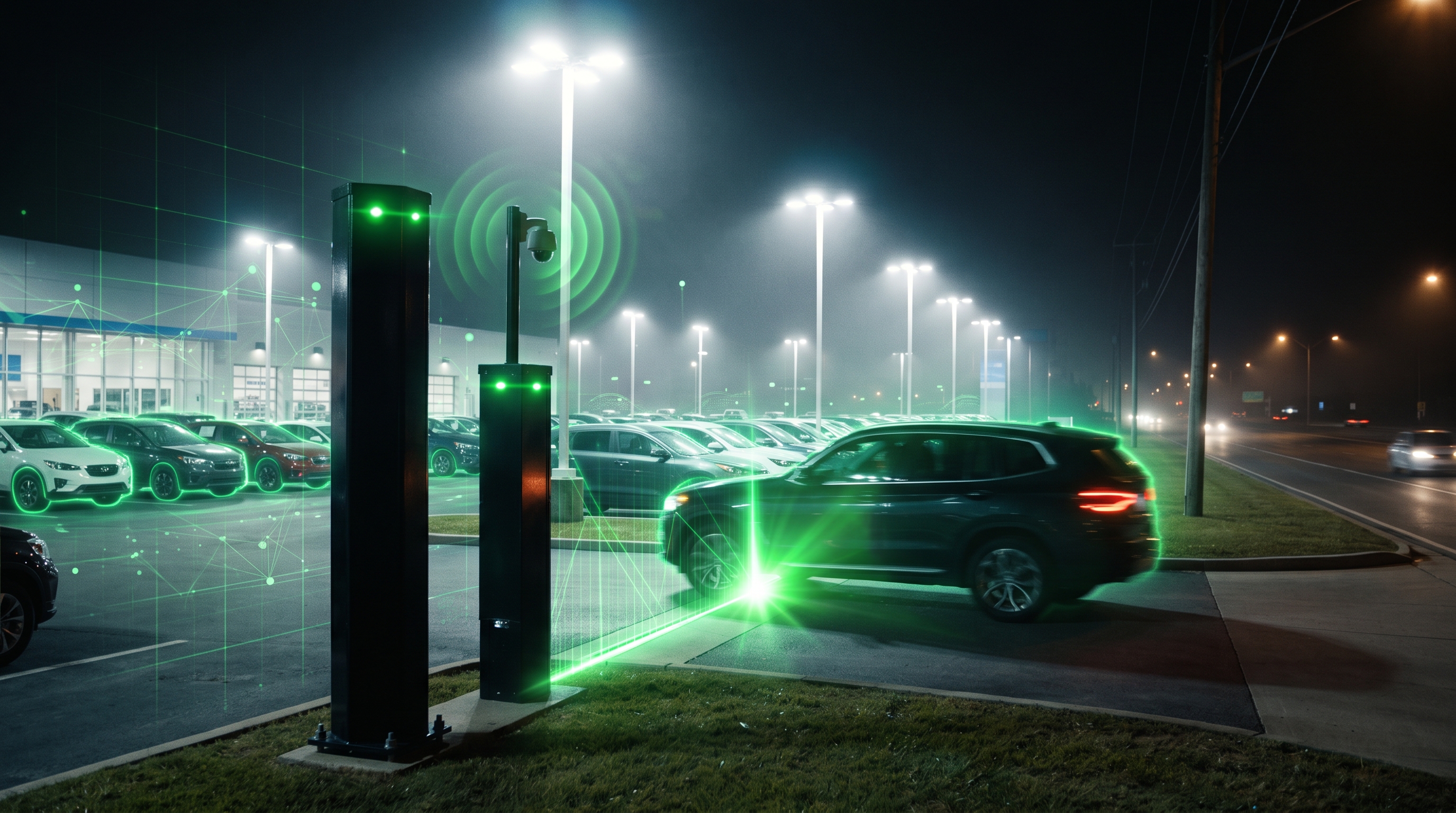
That is why the protection case is broader than theft deterrence. It also covers false pretenses, unauthorized movement, and the need to shorten the time between discovery and action. Ikon’s lot management platform supports real-time monitoring, geofencing, and off-lot notifications, with a 99.8% recovery rate and 18-minute average recovery time.
Ikon does not stop at inventory control. On the retail side, the platform continues through a dealer-branded owner app that keeps the store visible after delivery. Ikon offers a $10,000 driver theft warranty, a 15% potential driver insurance discount, $323 average incremental PVR, and a 67% average dealer penetration rate. Features like active theft recovery, geofencing, speeding alerts, one-click service access, and mileage-based service reminders round out the consumer benefits.
That combination matters because it gives the customer consumer value and gives the dealership an ongoing channel. The owner gets location and protection tools that feel useful on day one. The store gets branded visibility and a cleaner path back into service scheduling later. Ikon’s connected-car app is built to keep the dealership top of mind long after the sale. If you want the product view, this is where the connected-car side fits into the larger retention story. Ikon customers engage with the branded app up to 15 times per month, which gives the store repeated brand exposure between visits.
That is where Smart Marketing becomes the retention layer. Ikon uses live mileage data to trigger personalized dealer-branded outreach, routing customers back toward scheduling at the right service interval instead of relying on broad campaign timing.
Ikon makes the most sense when each department can see its own problem inside the same platform. NADA says franchised light-vehicle dealerships wrote more than 276 million repair orders in 2025, with service and parts sales exceeding $164 billion. That is enough to make retention, throughput, and lot efficiency a storewide issue, not just a fixed-ops conversation. NADA’s 2025 data makes that point pretty clearly.
Ikon makes the most sense when you look at the platform the way a franchise store actually operates. Lot operations, vehicle protection, a dealer-branded owner app, and post-sale retention all connect to the same business goal, keeping control of the customer and the inventory inside the dealership. That dealer-built angle is not just branding language. It shapes how the system is positioned and who it is built to serve.
The timing also works in Ikon’s favor. Owners are keeping vehicles longer, service revenue is too large to ignore, and every retained customer now carries more lifetime value. That is why dealer-controlled telematics is not only a sales or F&I conversation. It is also a fixed-ops and ownership conversation.
The next move is practical. Audit where your store loses time on the lot, where inventory exposure still exists after hours, and where service retention drops after delivery. If those gaps are costing the store money, a dealer-controlled platform that closes all three is worth a serious review. If you want to keep digging into the retention side, Ikon’s service-marketing approach is where the fixed-ops story becomes measurable, and stores ready for a direct conversation can always reach the team from there.
It helps by reducing the delay that kills showroom momentum. AutoSuccess reported that more than half of shoppers will not wait over 25 minutes for a test drive, and dealerships using asset-tracking technology saw a 95% drop in key loss and up to 45 minutes faster sales cycles. That is exactly the kind of lot friction Ikon is built to address.
It is broader than security. Ikon’s About page groups lot management, Smart Marketing, and a dealer-branded Connect app together, so the better description is an operations-plus-retention platform with protection built in, not just a GPS recovery tool.
Yes. Ikon says its Smart Marketing workflow uses live mileage data to trigger personalized service outreach, and its connected-car tools route owners back toward scheduling with the dealership. That turns telematics data into repeat service opportunities.
The strongest consumer proof points are concrete. Ikon lists a $10,000 theft warranty and a 15% potential insurance discount, while the dealer side shows $323 average incremental PVR and 67% average dealer penetration. Those are easy benefits for an F&I office to explain.
Because the store stays visible after delivery. Ikon says the app is dealer-branded, and its dealer content says customers engage with it up to 15 times per month. That repeated exposure helps keep the dealership top of mind for service, trade, and future purchase decisions.
It stretches the revenue window. Cox Automotive says nearly two-thirds of owners now keep vehicles for five years or more, so the post-sale relationship lasts longer. That increases the value of service reminders, retention messaging, and dealer-controlled customer touchpoints.
Yes. Cox says average dealer service and parts revenue hit about $9.23 million in 2025, and NADA says franchised dealerships wrote more than 276 million repair orders with over $164 billion in service and parts sales in 2025. That makes retention and service throughput large enough to justify serious attention by itself.
Customer patience and key loss. AutoSuccess says more than half of shoppers will not wait past 25 minutes for a test drive, and the same report says the average dealership loses five keys per month at roughly $350 each. Slow retrieval costs time, money, and deals.
Use one clean macro statistic, then move back to workflow. NICB reported 1,020,729 vehicle thefts in the U.S. in 2023. The practical takeaway is not panic. It is that real-time alerts and location visibility matter when a vehicle leaves unexpectedly.
Yes, because the strategic point is dealer control and dealership visibility. Ikon emphasizes a dealer-branded app and dealer-owned relationship, while longer ownership cycles make it more important for the store to stay connected to customers between purchase, service, and repurchase.
.jpg)
.jpg)
32%+ average service reminder response rate. 74% higher chance that a service customer will buy their next vehicle from you.
Watch the Webinar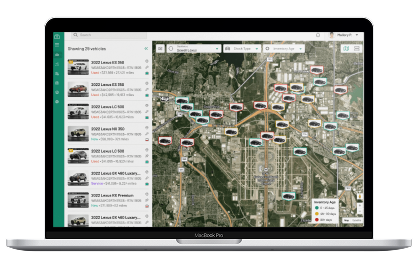
Master your lot. Locate cars and keys effortlessly to accelerate sales, check battery levels, run audit reports, view lot aging, all with no upfront device costs. We only make money when you do.
Ikon Lot Management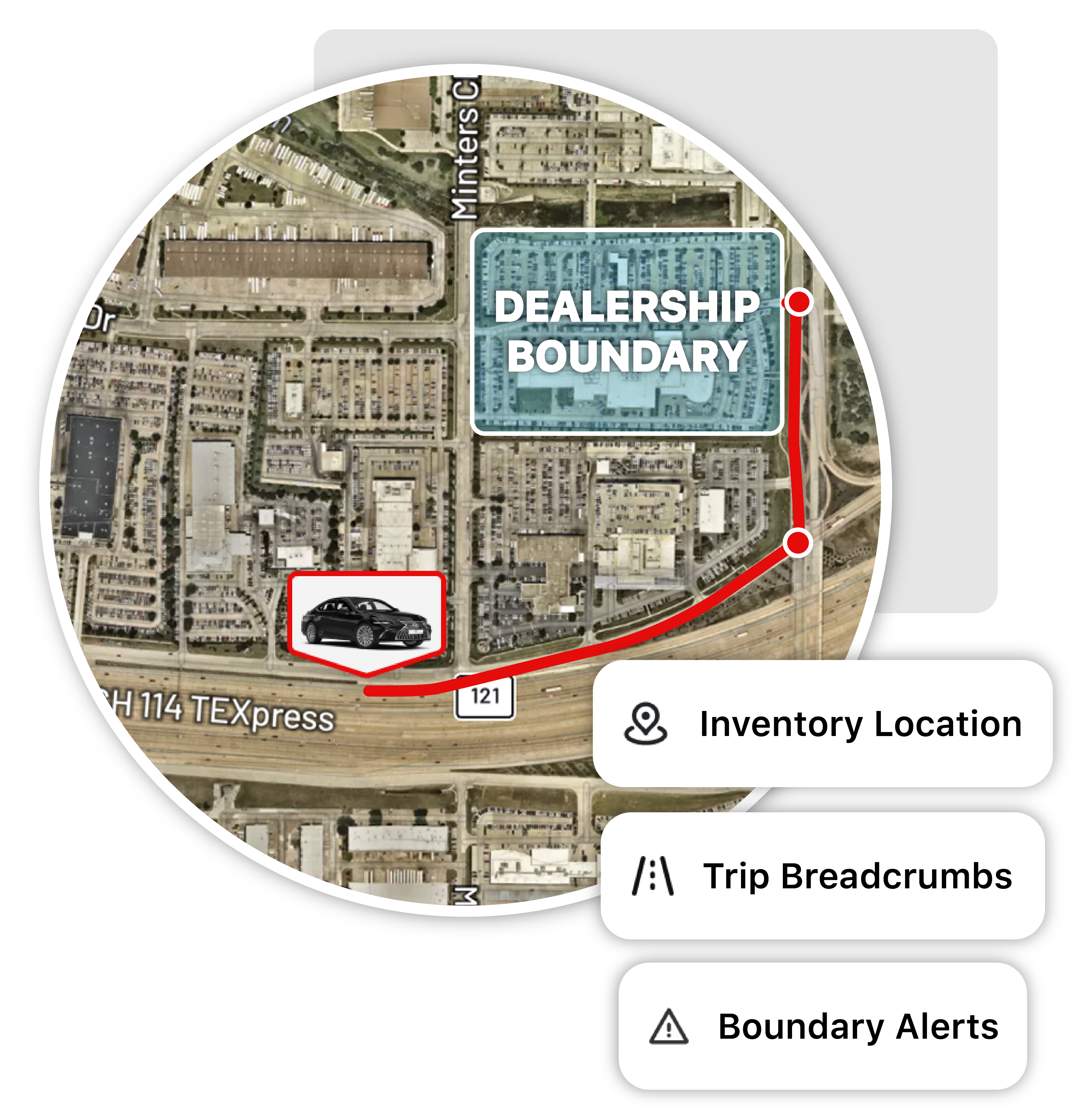
Stop inventory loss with near-real-time GPS tracking designed for rapid recovery. Ikon’s active theft recovery helps you secure your lot and lowers insurance premiums and deductibles.
Ikon Theft Recovery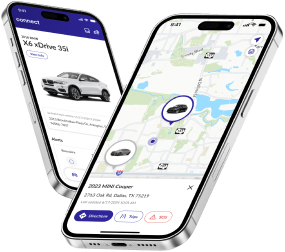
Get an avg. $323 PVR uplift by selling customers peace of mind and theft recovery featuring a $10,000 theft benefit. Your dealer-branded app keeps them connected to you, not the OEM.
Ikon Connected Car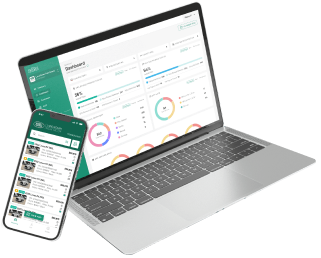
Maximize service retention and increase ROs with our mileage-triggered, automated text campaigns. We text customers at exactly the right time, driving them to your service scheduler.
Ikon Smart Marketing.jpg)
.jpg)
.jpg)
.jpg)