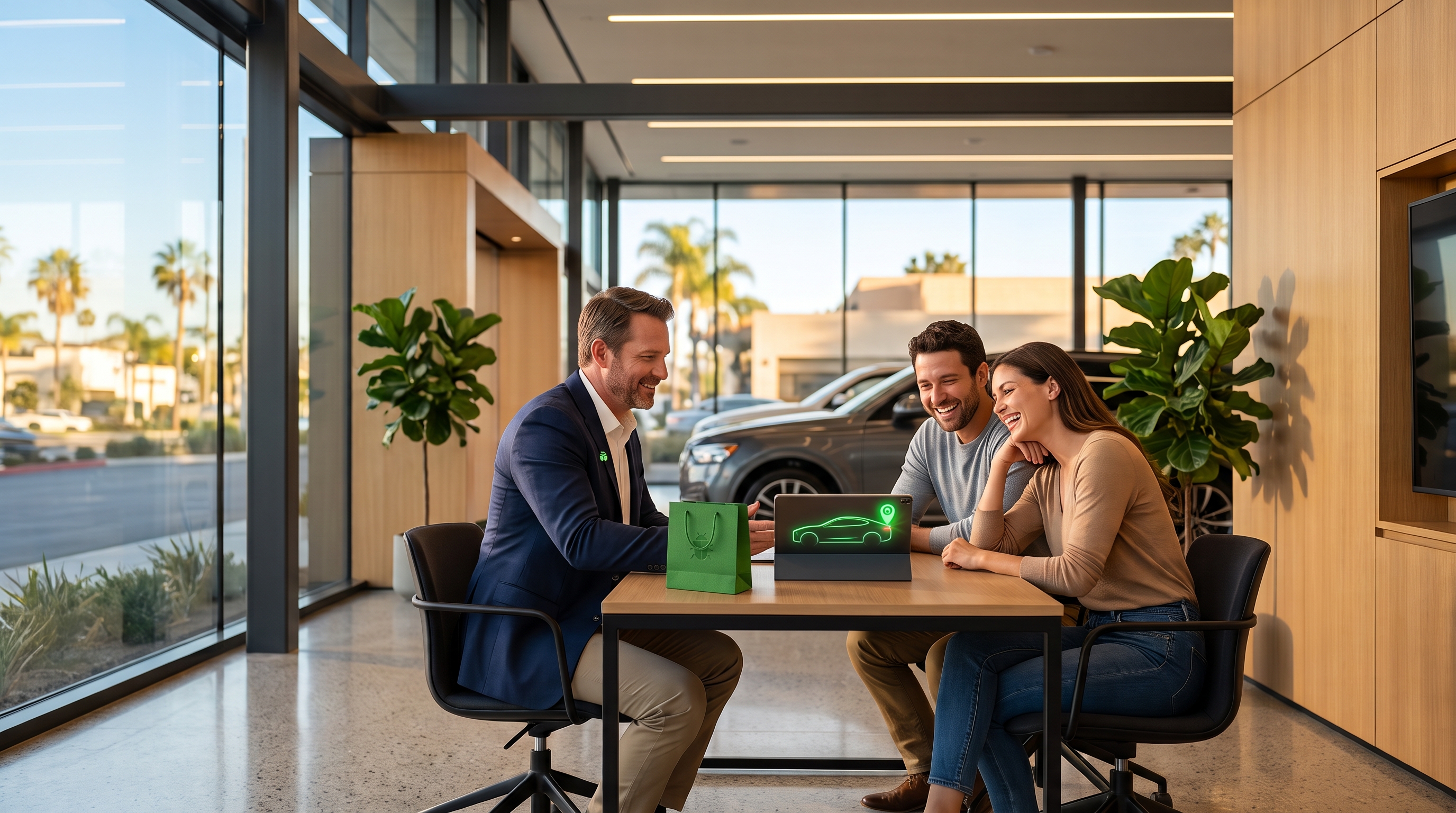
An Ikon Connected Car program gives a franchise rooftop one installed asset that works from stocking through ownership.
Sales staff locate units faster, F&I gets a tangible product the customer can open on a phone, and fixed ops gets mileage-based service triggers that route back to the dealership's own brand.
The business case sharpens once a GM follows the money instead of the feature list. U.S. franchised dealers wrote more than 276 million repair orders and generated $164.6 billion in service and parts sales in 2025 , yet most stores still let the post-sale relationship drift after delivery. Ikon closes that handoff, because the same device that controls the lot before the sale also drives service retention after it.
Ikon earns rooftop profit when one installed device helps the store before the sale and keeps working after delivery. Judge it first by time saved on the showroom floor, then by F&I PVR and customer-pay ROs that come back to the service drive.
Every department reads a different payoff off the same hardware. The sales consultant moves a buyer toward the test drive without a lot-wide hunt. The lot manager sees where a unit sits and whether anything odd happened while it sat on floorplan. F&I hands the customer a product they can actually open in a branded app, not a buried clause on page nine of the contract. The service director gets a trigger built on real mileage, not a CRM guess. And the dealer principal keeps the bigger prize: a post-sale digital relationship that still carries the store's name.
That department view matters because fixed ops is already a major P&L line. Franchised dealerships averaged $9.69 million in service and parts sales per new-vehicle store in 2025 , according to the NADA Data profile. The real question is not whether the technology sounds modern. It is whether the program moves a buyer from delivery into the store's own service process.
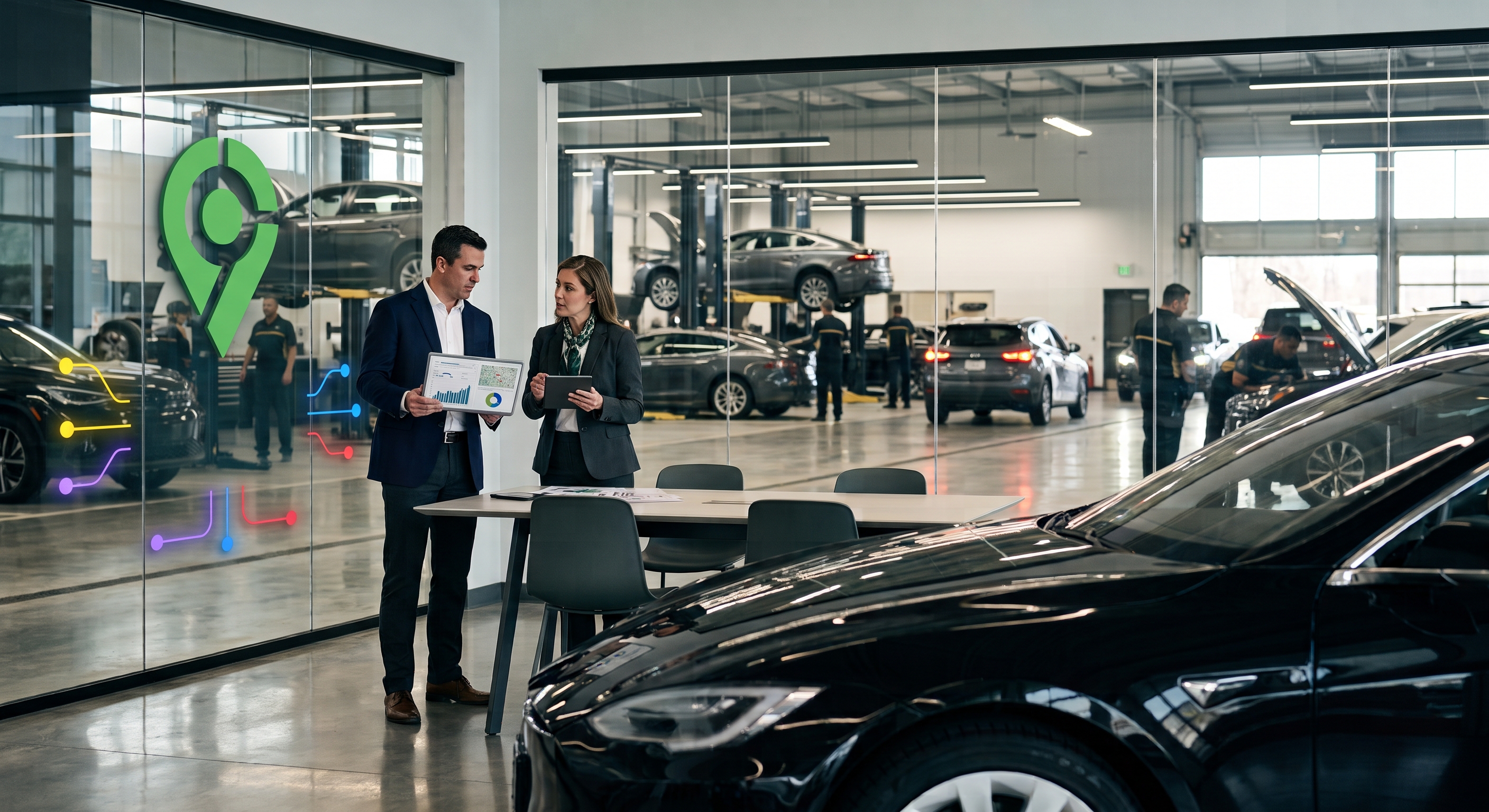
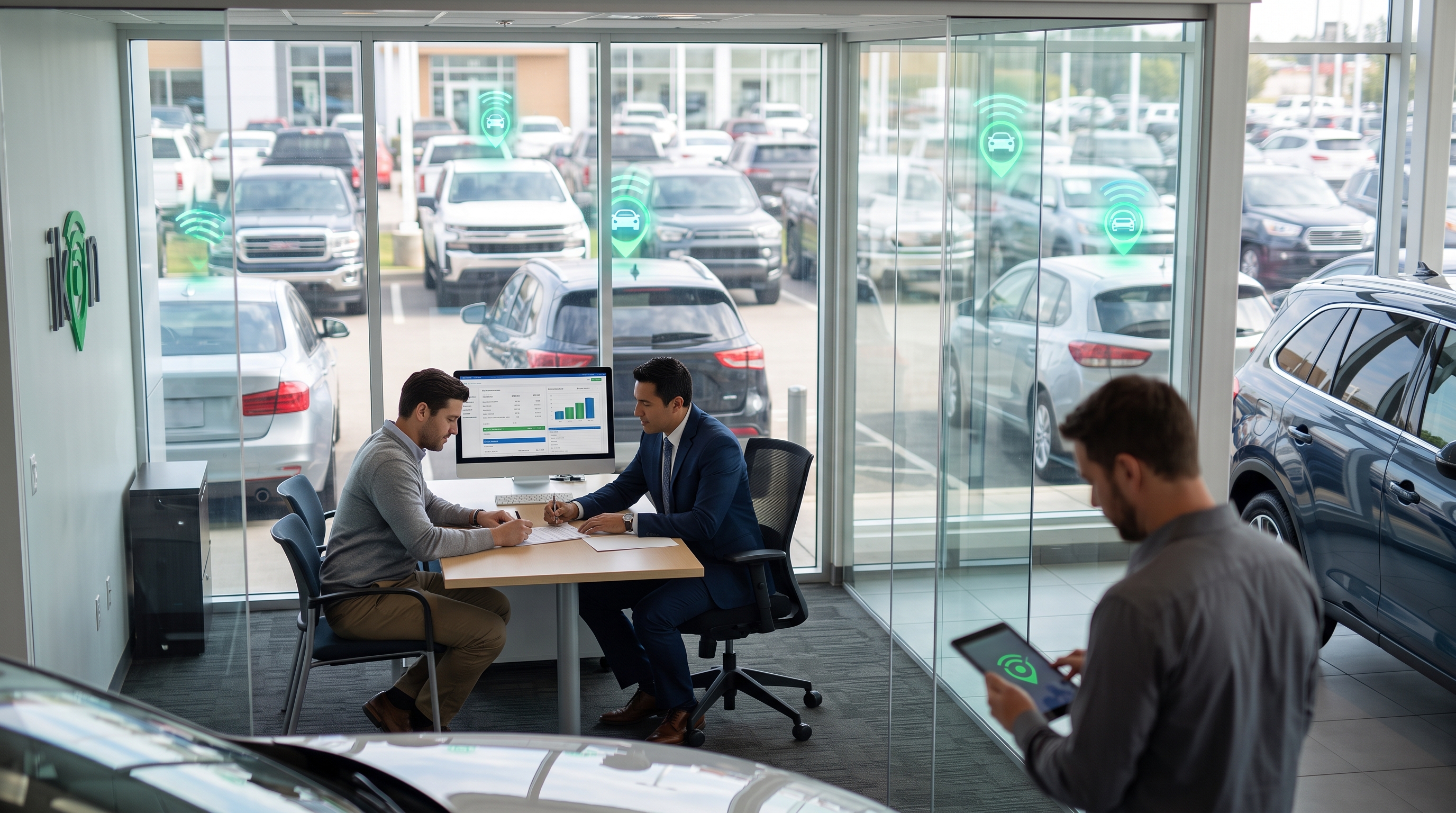
Ikon speeds the sale at the exact moment a buyer expects the store to be ready. The Find the Car, Find the Keys workflow lets staff locate the unit and the fob before the appointment turns into a credibility problem.
Today's shopper walks in already knowing the VIN, the trim, and the stock photo. When the consultant then burns ten minutes chasing the vehicle or the key, the dealership looks less prepared than its own website. Honestly, the value here sits in the basics, as our team has broken down on the Dealer Digest: find the car, find the fob, keep the deal moving while the buyer is still warm.
Lot control matters more now that inventory volume has returned to normal operating pressure. Domestic new-vehicle days' supply ran at 47 days in the 2025 NADA profile, with imports at 41 days , which leaves most franchise stores with enough moving metal to make manual searches expensive. Floorplan audits get cleaner when staff can account for units digitally, geofence alerts add protection when a vehicle moves at the wrong time, and the appointment-readiness piece is the part the customer actually feels.
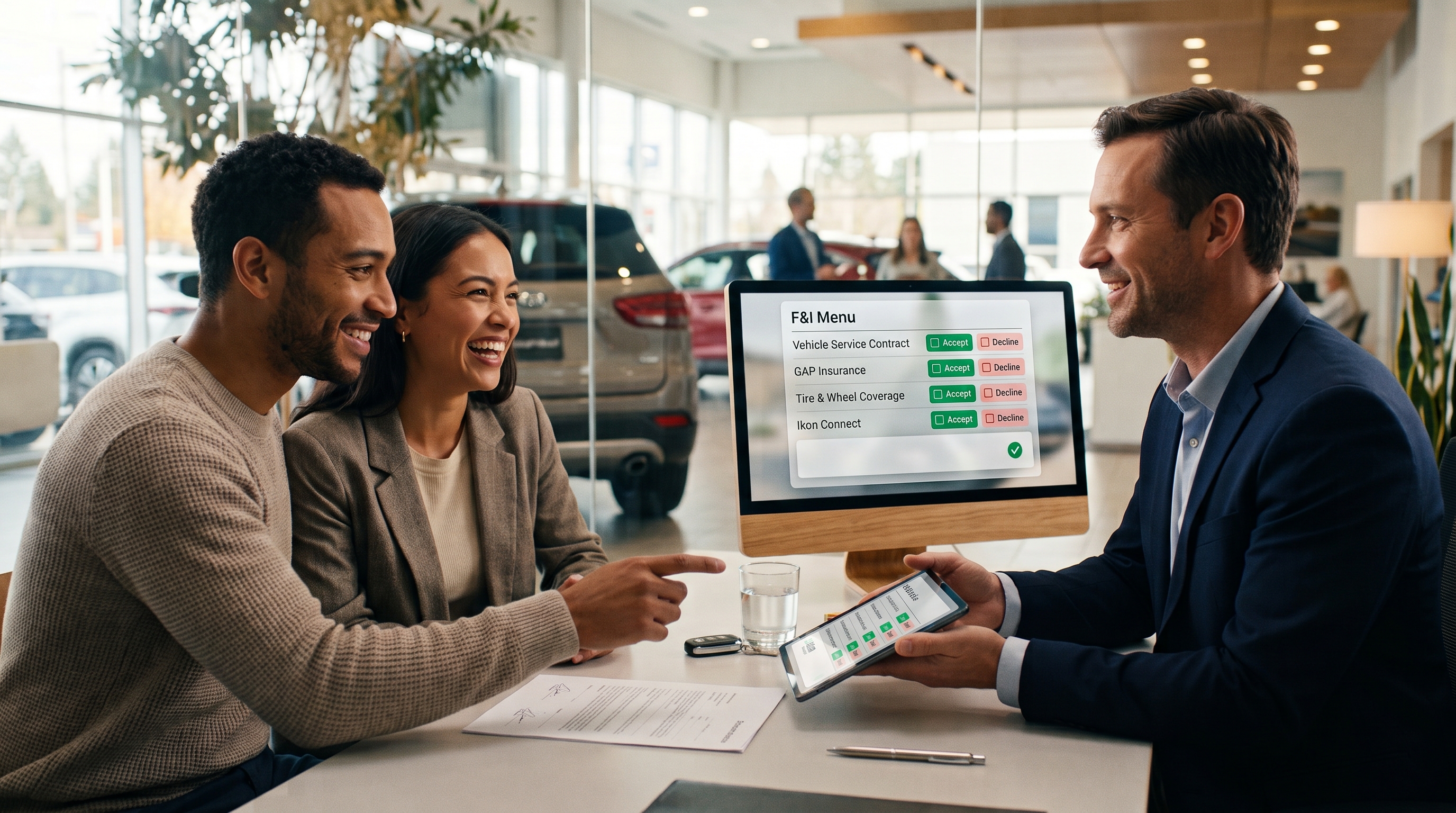
Ikon matters in F&I because the manager can explain it as a living benefit instead of a paper product. The customer leaves with theft-recovery value and a dealer-branded app on the phone, while the store books measurable back-end contribution.
The app does part of the selling work in the box. A buyer grasps vehicle location, stolen-vehicle support, and a dealer-branded ownership tool faster than they grasp a buried contract benefit, which makes the menu conversation feel more tangible.
On the back-end side, our Connected Car Platform numbers show $323 in average incremental PVR and 67% average dealer penetration , which gives the GM a clean metric to watch month over month. The $10,000 driver theft warranty and a potential 15% insurance discount give the manager a consumer-facing story that holds up at the desk. The better point for the rooftop: the product does not stop at funding. It keeps the customer connected to the store long after delivery.
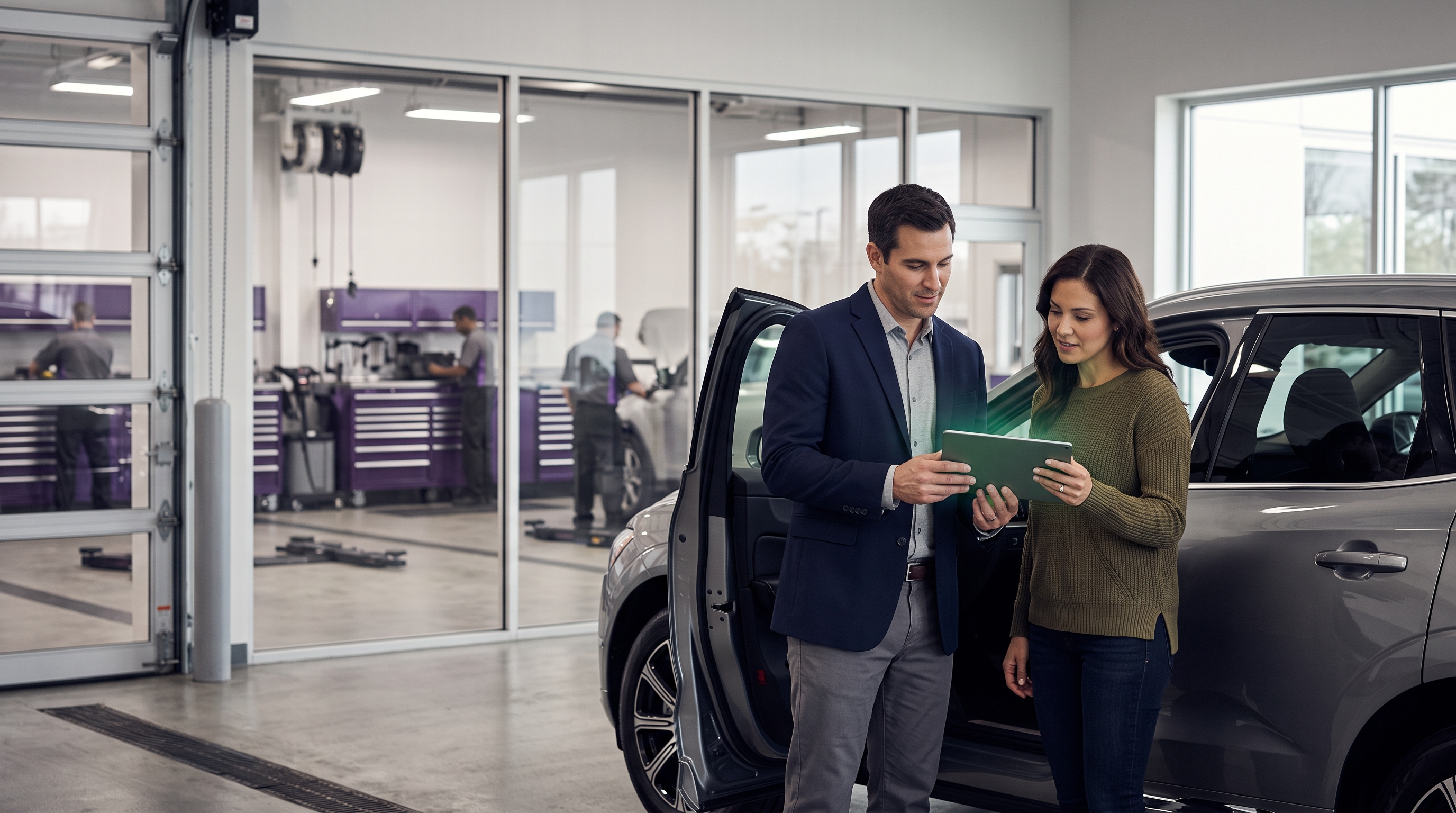
Ikon feeds service-lane revenue when the installed device reports mileage and the customer has opted into dealer-branded communication. The store then turns actual vehicle use into a timely service message, instead of waiting for the customer to remember the dealer.
Start with the delivery gap. Cox Automotive's 2026 Fixed Operations and Ownership Study found that 80% of new-car buyers say they are likely to service at the selling dealership, but only 25% are introduced to service during purchase and only 23% leave with a first appointment scheduled . That handoff cools quickly without a structured trigger.
Smart Marketing gives the store a way to act before that intent disappears. The chain is concrete, and we walk through it in our service-leak breakdown:
That is the practical path from installed hardware to app habit to a customer-pay RO that stays inside the rooftop.
Dealers should control connected-car data because the post-sale touchpoint has to feed the rooftop's workflow and carry the rooftop's brand. Consent has to govern that relationship, especially when vehicle data triggers customer outreach.
If the app relationship defaults somewhere else, the store loses the easiest digital reason to talk to its own buyer after delivery. A dealer-branded setup keeps service reminders under the dealership name and routes follow-up into the store's own process, which is the point our reclaiming-the-customer piece presses on.
Privacy cannot be an afterthought either. The finalized FTC order against GM and OnStar requires affirmative express consent before collecting, using, or sharing connected-vehicle data . Smart Marketing belongs in that same practical frame: the customer opts in at purchase, and the store uses authorized data to drive a clear service action.
Owners keep using the app when it solves everyday ownership problems and still feels like it came from the selling dealer. The app has to create a real habit before the next service interval arrives.
Vehicle location is the sticky feature, because owners get the value the first time they use it. In our April 2026 consumer survey of 400 customers, 71% said the app made them more likely to return to that specific dealership for service , and more than half were set up before they left the store. That window at delivery is exactly when the app habit either starts or quietly disappears.
What owners actually open the app for: 78.75% of surveyed customers named vehicle location as a top-three feature, and 34.5% named scheduling appointments and mileage-based reminders as a top-three valuable app feature. The same survey found 73.5% feel more confident and secure as vehicle owners because of the CONNECT program.
The counterintuitive part of a connected-car program is that the consumer app is not the starting point. The store earns the right to stay on the customer's phone only after the same device has already cleaned up the lot process and given F&I a value story the customer can repeat to a spouse. Connected-car value compounds when the rooftop treats delivery as the handoff into service, not the end of the transaction.
Judge the program by department-level economics, not by whether the technology sounds advanced. The strongest business case links a faster delivery today with a retained service customer two years out, and the dealer has to control the relationship to monetize it.
A practical next step for any dealer principal: audit the current path from installed device to first service appointment against three checkpoints. Can staff find the unit and the key before the appointment? Does F&I set up the app before the customer leaves with the car? Does mileage-based outreach actually reach the BDC with a follow-up process attached? If any of the three breaks, that is where the rooftop is leaking the connected-car return.
Smart Marketing uses live mileage reported by the installed GPS device to trigger service outreach. The dealership and Ikon agree on which mileage points matter for each model, then opted-in customers get dealer-branded text messages that route them straight into online scheduling or an inbound BDC call.
No, dealers do not receive consumer vehicle-location data without a valid legal basis. The service-marketing model is built around consented outreach, so the useful workflow for the rooftop is mileage-based service engagement, not open-ended post-sale tracking of the owner's car.
Ikon reports a 99.8% theft recovery rate and an 18-minute average recovery time. That recovery record gives F&I a clear value proposition for the customer at the desk and gives the dealer principal a serious asset-protection case for the units sitting on the lot tonight.
Ikon reports $323 in average incremental PVR with a 67% average dealer penetration rate. A store should still measure its own results against those benchmarks, watching product presentation, app setup rate at delivery, and penetration broken out by individual F&I manager.
No, the cleaner way to frame it is that Ikon gives the dealership its own branded ownership channel. The OEM app may still serve vehicle-manufacturer functions, while Ikon keeps the selling dealer present in the customer's phone for security, service access, and retention outreach.
Customers use the app for practical ownership tasks, mainly finding the vehicle, accessing dealer information, and using stolen-vehicle support features. Our survey data shows vehicle location is the most important feature for owners, because they understand that value the first time they open the app in a parking lot.
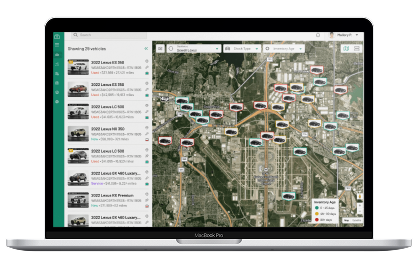
Master your lot. Locate cars and keys effortlessly to accelerate sales, check battery levels, run audit reports, view lot aging, all with no upfront device costs. We only make money when you do.
Ikon Lot Management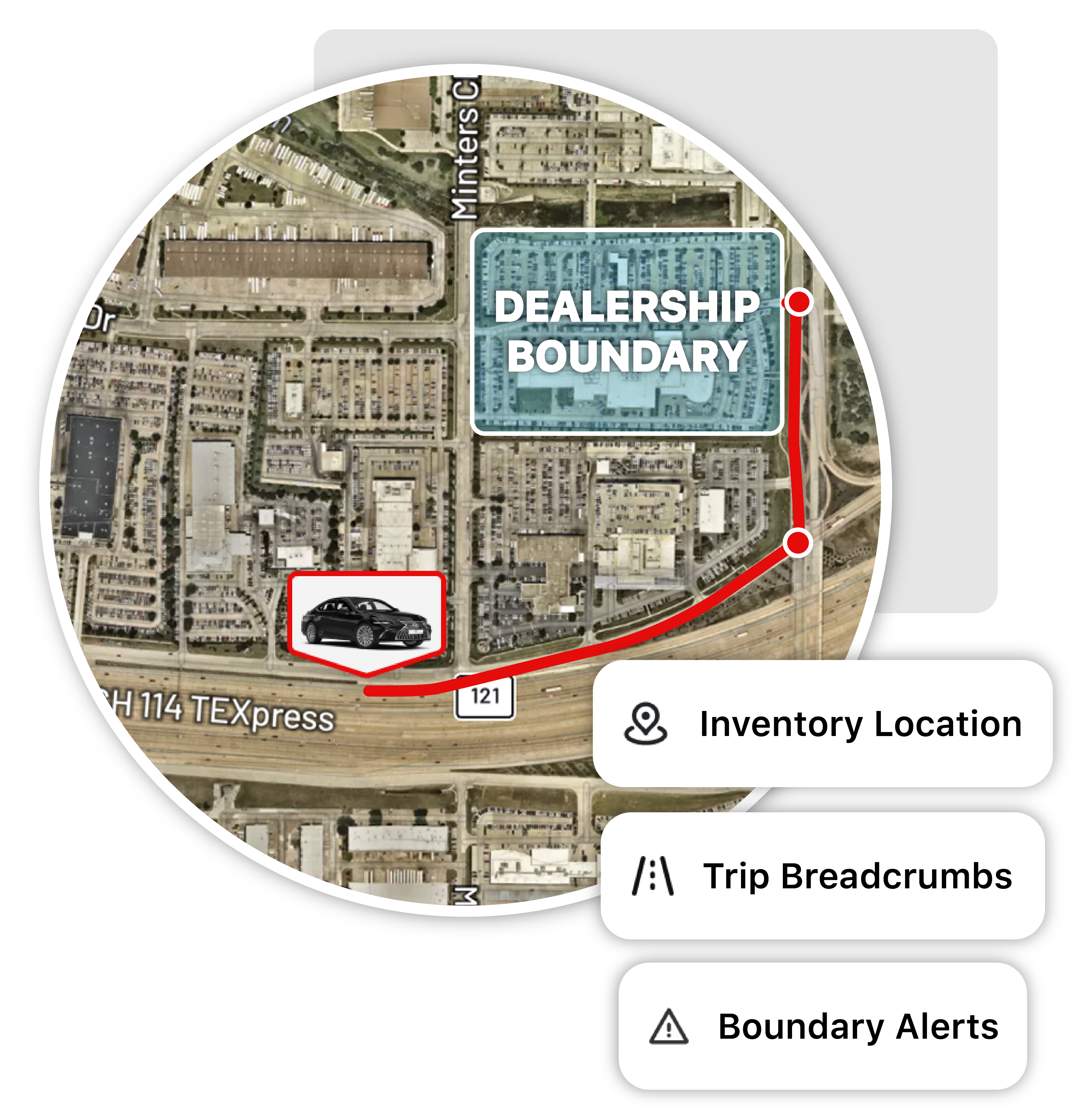
Stop inventory loss with near-real-time GPS tracking designed for rapid recovery. Ikon’s active theft recovery helps you secure your lot and lowers insurance premiums and deductibles.
Ikon Theft Recovery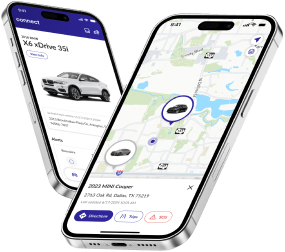
Get an avg. $323 PVR uplift by selling customers peace of mind and theft recovery featuring a $10,000 theft benefit. Your dealer-branded app keeps them connected to you, not the OEM.
Ikon Connected Car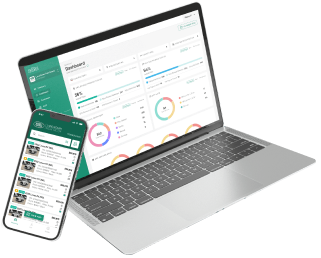
Maximize service retention and increase ROs with our mileage-triggered, automated text campaigns. We text customers at exactly the right time, driving them to your service scheduler.
Ikon Smart Marketing.jpg)

.jpg)