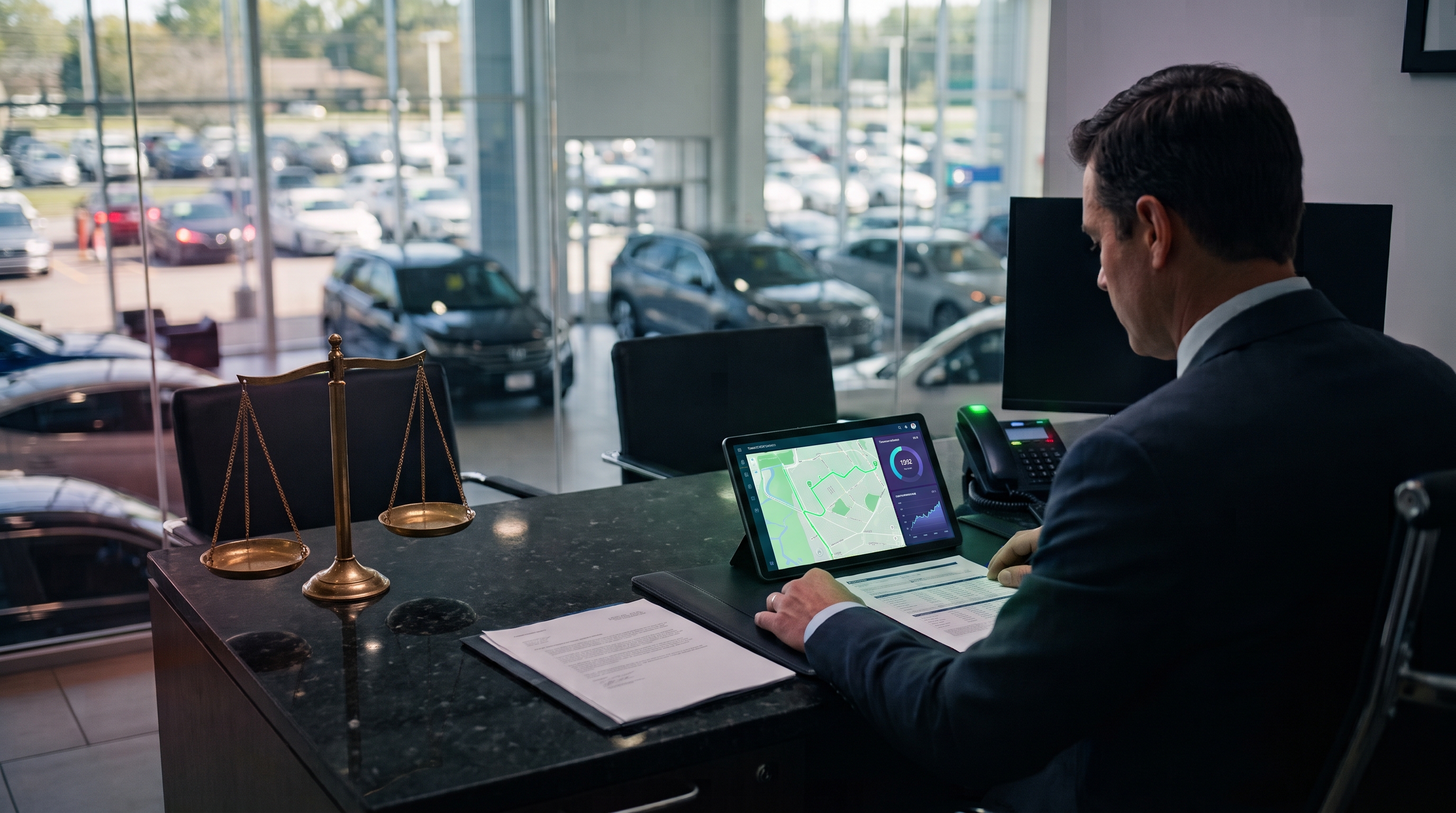
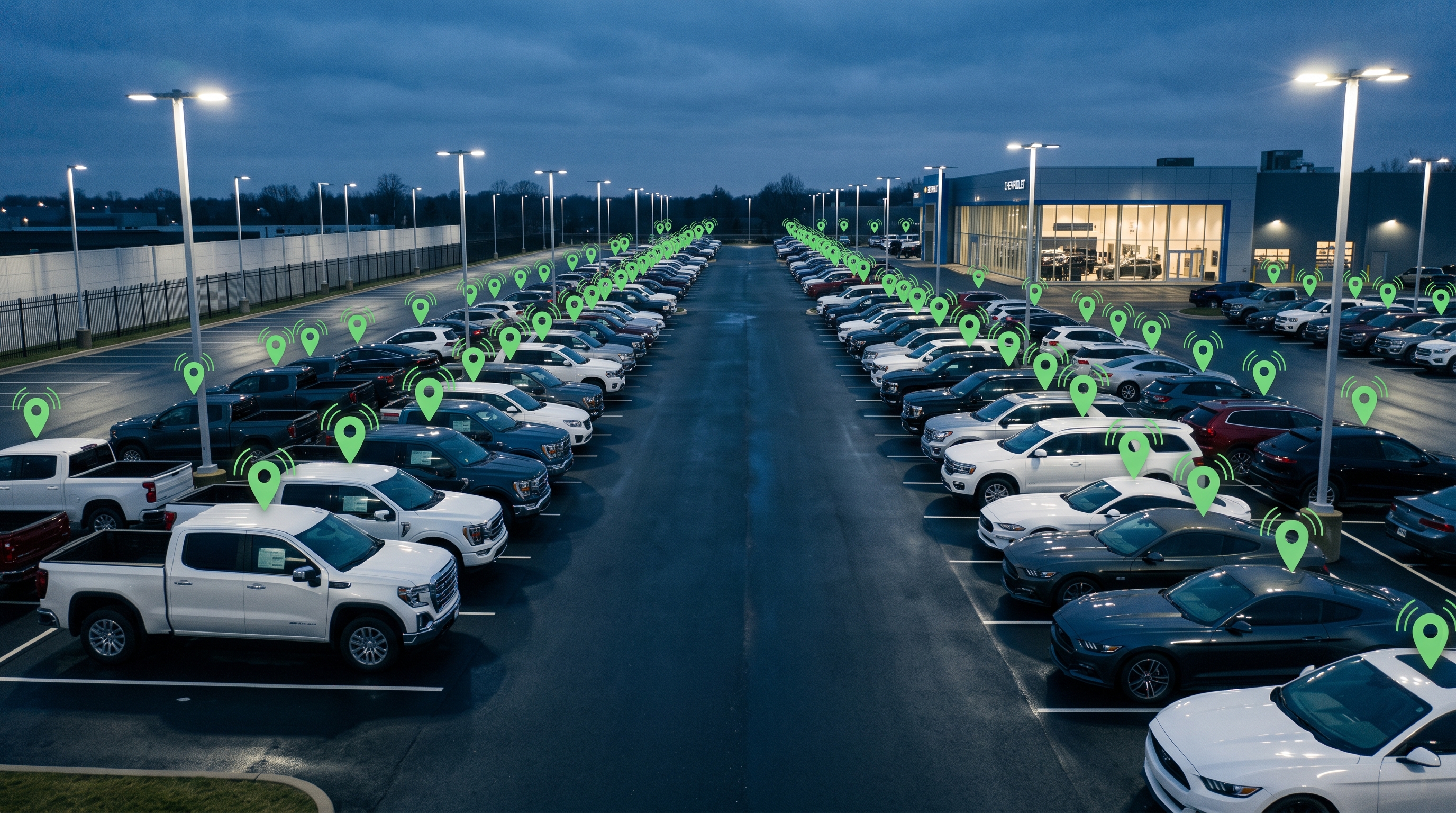
Dealership geofencing draws virtual boundaries around your inventory locations and converts vehicle movement into actionable alerts. The real value sits in operations control, where managers act only on exceptions, like a unit leaving an approved area or moving outside business hours. Everything else stays quiet in the background.
The term gets noisy fast because half the search results point at advertising geofences aimed at mobile audiences. Dealer leaders need the lot-management version, where telematics data feeds shrink review, floor-plan audits, and basic vehicle accountability across rooftops.
The bullets below distill where geofencing pays off and where it gets dealers into trouble if rollout is sloppy.
A vehicle crossing a dealership boundary becomes an operations event. The platform shows your team where the unit crossed, when it happened, and whether the move fits an approved lot rule, so the response starts with context instead of a frantic search.
Lot-management geofencing follows inventory rather than mobile audiences, which is the real split from ad-side geofencing. We place boundaries around the main lot and any approved off-site locations, then let the system surface only the moves that break policy. Off-lot detection alerts inside a command-center view matter because the team sees an exception before a missing-unit search spreads across departments.
Multi-rooftop groups treat each store as its own approved area, then review only the movement that breaks rules. The practical goal is fewer unresolved vehicle questions at the sales desk, the service lane, and the inventory office. Our approach to lot operations is built around that exception logic.
The first setup decision is which vehicle moves deserve attention at all. A normal daytime exit cannot trigger the same response as a closed-hours departure, or the team will start ignoring the system within a week.
A workable rule set enables geofence reports to capture entry time, exit time, and duration by vehicle and location give every rule a reviewable record:
After hours, the default should be a tight set of high-confidence alerts. A unit leaving the store while the dealership is closed deserves immediate review, not the same treatment as a 2 p.m. test drive.
The theft pressure justifies that posture. A motor vehicle was stolen every 37 seconds in the United States in 2024, which is enough volume that dealers cannot rely on overnight luck. A closed-hours alert should show the vehicle, the boundary crossed, and the time of movement in one screen.
The first response is verification, not assumption, because transport notes or late service work occasionally explain the movement. The useful workflow connects the alert to camera review and a key-custody check. When the move cannot be explained, the same record supports a clean handoff to a theft-recovery process.
Transport geofences work best when each work zone has its own expected movement pattern. A vehicle going to prep or detail should leave a trail that explains why it left the front line, so the lot manager does not have to chase it down by phone.
Dealership geofencing is not limited to the sales-lot edge. Recon movement gets easier to explain when the system recognizes a prep location as expected, and detail work creates less confusion when the vehicle is visible away from display inventory. Tools like Ikon's Dealer Lot Management Portal show how granular those zone definitions can get.
Between-store transfers need their own boundaries because the car may be legitimate off-site inventory rather than a problem. Loaner and shuttle fleets need similar rules, since those vehicles move for customer service rather than sales. The win is separating approved flow from shrink risk without asking every department to update a manual board.
A geofence alert stops being useful after the first minute unless it leaves a record behind. The log connects a vehicle to a place and a time so managers can resolve questions days later, when the original alert is long gone from someone's phone.
The audit-trail minimum: vehicle identity, last known location, boundary-crossing timestamp, and return time when the unit comes back. Dwell time at recon, service, or an outside vendor sits alongside those four fields and turns "where did it go?" into a one-screen answer.
Floor-plan audits move faster when the team can prove location before walking the whole lot, and accountability improves when sales, service, and inventory work from the same movement record. Our digest piece on finding the car and the keys covers how that single record collapses the daily friction between desks.
Geofencing turns sensitive the moment the vehicle is connected to a customer or a sold unit. The dealer needs clear disclosure and affirmative consent before precise location data moves beyond lot operations.
FTC dealer guidance ties privacy obligations directly to consumer information, and the January 2025 action against GM and OnStar over precise geolocation and driving-behavior data shows what happens when notice and consent fall short. Customer-facing connected-car programs should explain data collection before delivery, and opt-out controls should be easy for the buyer to find. Lot-only tracking still needs staff access limits, and sold vehicles should not stay in a dealer monitoring queue by accident after the deal closes.
The quiet lesson is that geofencing forces a dealer to define what normal vehicle movement looks like before a loss event ever happens. The same boundary that catches a midnight exit will also expose weak handoffs between sales and service, or between recon and delivery, and that visibility is sometimes more valuable than the theft case itself.
A small rule set keeps manager attention on movement that breaks store policy, the same timestamps support shrink review and audit prep from one record, and privacy planning has to ride along in rollout because sold-unit tracking carries different risk than inventory tracking.
Start with one rooftop for two weeks. Review closed-hours exits first, then add vendor dwell and service returns before widening the rules to other stores in the group.
Yes, multi-location geofencing is the default expectation for dealer groups today. The same boundary logic that defines the main store can separate overflow inventory, a satellite lot, or a recon center, with each location running its own rule set. That keeps movement reviewable per rooftop instead of pooled into one noisy feed.
Most dealers should evaluate both aftermarket devices and embedded OEM telematics before choosing. Embedded lot-management can support inventory visibility on equipped units, while aftermarket hardware tends to win when the store needs one consistent setup across mixed new, used, and aged inventory. The right answer usually depends on inventory mix and how quickly you need full coverage.
Yes, the standard record captures when the vehicle entered, when it exited, and how long it stayed. Geofence reports document entry time, exit time, and duration as distinct fields, which makes vendor dwell reviewable after the fact. That same dwell data flags units sitting at an outside shop longer than the work order should justify.
Yes, geofencing fits loaner and shuttle fleets when the policy defines where those vehicles are allowed to operate. Dealership telematics platforms commonly cover loaner fleets, shuttles, and concierge delivery alongside sales inventory. The boundaries differ, since a loaner has a much wider approved area than a unit on the front line, but the alert logic is the same.
The safest default is to remove the sold unit from dealer monitoring at delivery unless the customer has clear notice and affirmative consent for a continuing service. The January 2025 FTC action against GM and OnStar made precise location data a consent issue with real enforcement weight. Treating sold-unit tracking the same as inventory tracking is the fastest way to a problem.
Yes, geofencing helps directly when the audit question is where each unit is right now and whether it left an approved area. That speed matters most when a floor-plan lender shows up on short notice.
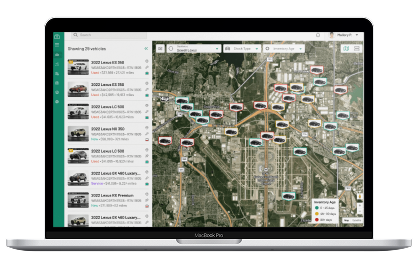
Master your lot. Locate cars and keys effortlessly to accelerate sales, check battery levels, run audit reports, view lot aging, all with no upfront device costs. We only make money when you do.
Ikon Lot Management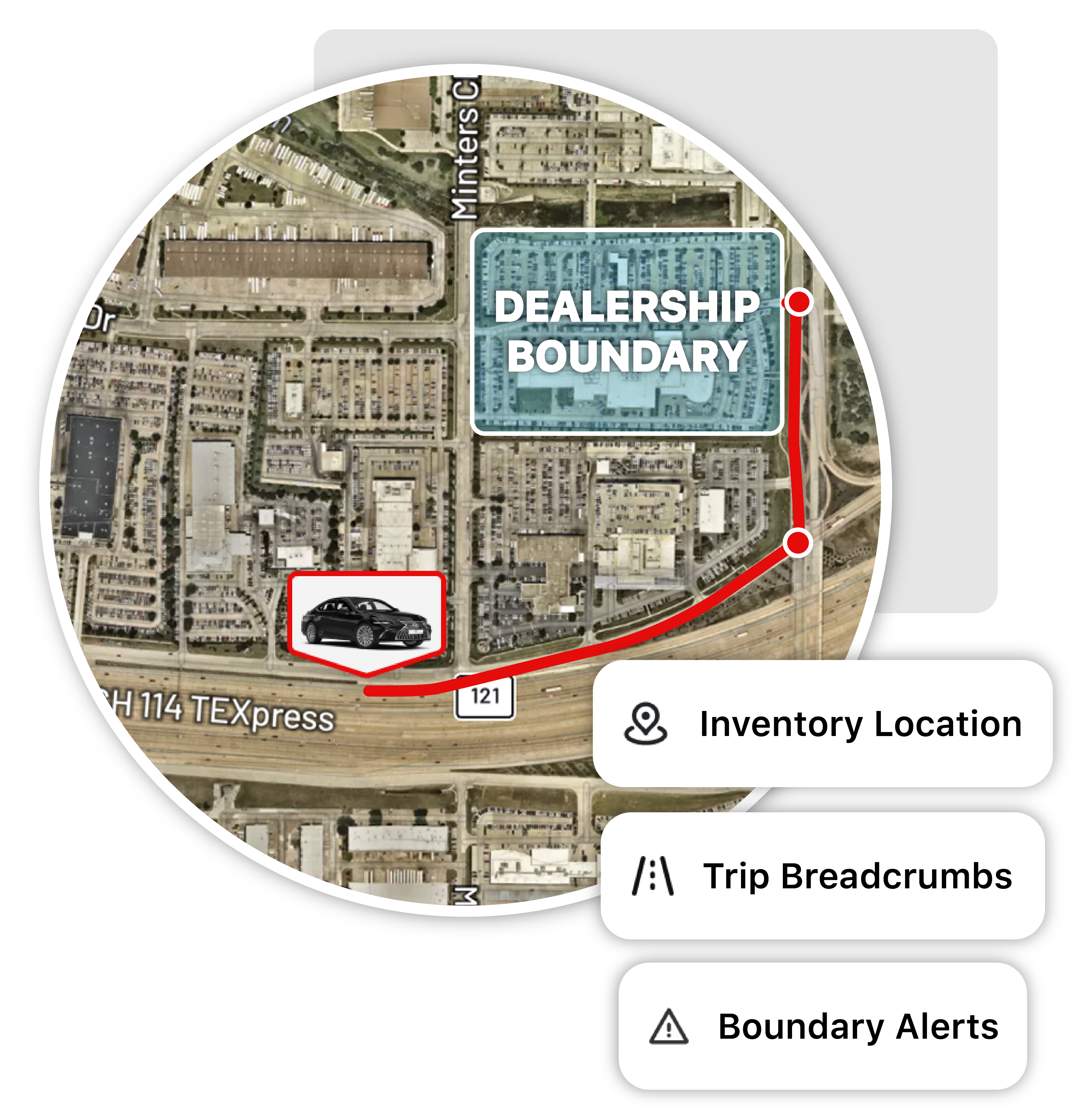
Stop inventory loss with near-real-time GPS tracking designed for rapid recovery. Ikon’s active theft recovery helps you secure your lot and lowers insurance premiums and deductibles.
Ikon Theft Recovery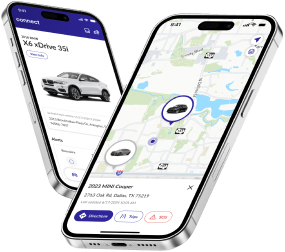
Get an avg. $323 PVR uplift by selling customers peace of mind and theft recovery featuring a $10,000 theft benefit. Your dealer-branded app keeps them connected to you, not the OEM.
Ikon Connected Car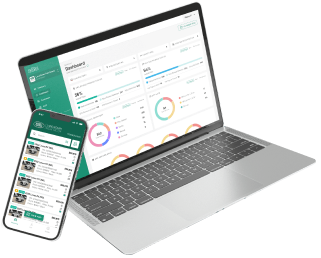
Maximize service retention and increase ROs with our mileage-triggered, automated text campaigns. We text customers at exactly the right time, driving them to your service scheduler.
Ikon Smart Marketing.jpg)




.jpg)