Dealer reinsurance lets a franchise store stop treating F&I product income as a one-time commission and start owning the underwriting profit and the investment income behind those contracts.
A dealer-owned reinsurance company shares in the premium that survives claims and expenses, while the direct writer stays obligated to the customer on every claim. That ownership shift is the whole point.
For most rooftops, this is an owner-level money question, not a finance-desk tactic. Front-end gross has normalized and the back end carries real weight now. Public groups still report F&I per-unit north of $2,400 even as vehicle margins get squeezed. And when 90.5% of new-vehicle dealers run between one and five stores, the gap between renting that profit to a third party and keeping it on your own balance sheet compounds over a career.
Before you get into structure, counsel, and vendor fit, three tensions decide whether reinsurance is worth the complexity:
Dealer reinsurance is a producer-owned reinsurance company that lets you participate in the underwriting profit from F&I products you already sell, things like service contracts, GAP, credit life and accident and health coverage, and etch. The mechanics come straight from the wider insurance world, where an insurer or cedent transfers all or part of policy risk to a reinsurer who takes it on for a share of the premium.
Three roles sit behind every F&I contract. The customer buys the protection, a licensed direct writer issues the policy and stays the obligor, and your dealer-owned reinsurer takes on a defined slice of the risk plus the matching premium. To the customer at the desk, the car deal looks exactly the same. What changes is where the profit lands afterward.
One boundary matters more than any other for a new owner. In classic reinsurance, the direct writer stays obligated to the customer for claims even after risk and premium cede to your company. You are taking on underwriting exposure and the reward that comes with it. You are not stepping into the front line of claims service.
Worth pinning down: A dealer-obligor model, where your own company is the named obligor on the contract, is a different animal from classic reinsurance and carries its own income-recognition and structure questions. That choice belongs in the structure conversation, not the definition.
Reinsurance pays you through two engines a flat commission never touches: underwriting profit, meaning the premium left after claims and expenses, and the investment income your reserves earn while they sit waiting for claims. A commission ends at the deal. Reserve performance keeps working for years.
Picture the conventional path first. On a third-party obligor service contract, the dealer usually acts as agent and books only the spread. NADA's own example walks it cleanly: an $800 customer sale minus a $600 provider cost leaves a $200 commission, and that is where the dealer's economic interest ends. Whatever profit the contract throws off over its life goes to someone else.
Route that same product through your reinsurer and the picture stretches out. You still see deal-day income, but you also keep the premium that outlasts claims and the yield those reserves generate before a claim is ever filed. Here is the owner implication worth sitting with: the value shows up as reserve growth across many contracts and many years, not as a bigger number on any single buyer's deal.
While conventional "paper" F&I products remain a staple, they introduce a massive financial headache - chargeback risk. Large dealership groups are forced to carry reserves running into the tens of millions of dollars just to absorb the impact of cancellations and refunds. Even reinsurance, which shifts who participates in the long-term economics of these paper products, fails to erase this costly exposure. Treating reinsurance as a cure - all for chargebacks only sets a business up for an expensive surprise.
Ikon fundamentally changes this dynamic. Because Ikon is a non-cancellable hardware product, it presents zero chargeback risk, it completely eliminates the need for defensive reserves. This structural advantage directly protects your profits and paves the way for a much healthier, more resilient F&I product mix.
The product families that fit are the usual back-end anchors: vehicle service contracts, GAP, etch, credit life and accident and health insurance, and selected ancillary protection. Naming the category is the easy part. Eligibility turns on whether the contract actually transfers risk and how the law treats it.
Two filters do the real work. First, tax classification: some menu items simply are not insurance for federal income tax purposes. Prepaid maintenance and tire wear fall outside, while road-hazard tire damage can qualify. Second, contract design and applicable law, because whether an extended-warranty arrangement counts as insurance depends on how the agreement is structured and the state rules that govern it.
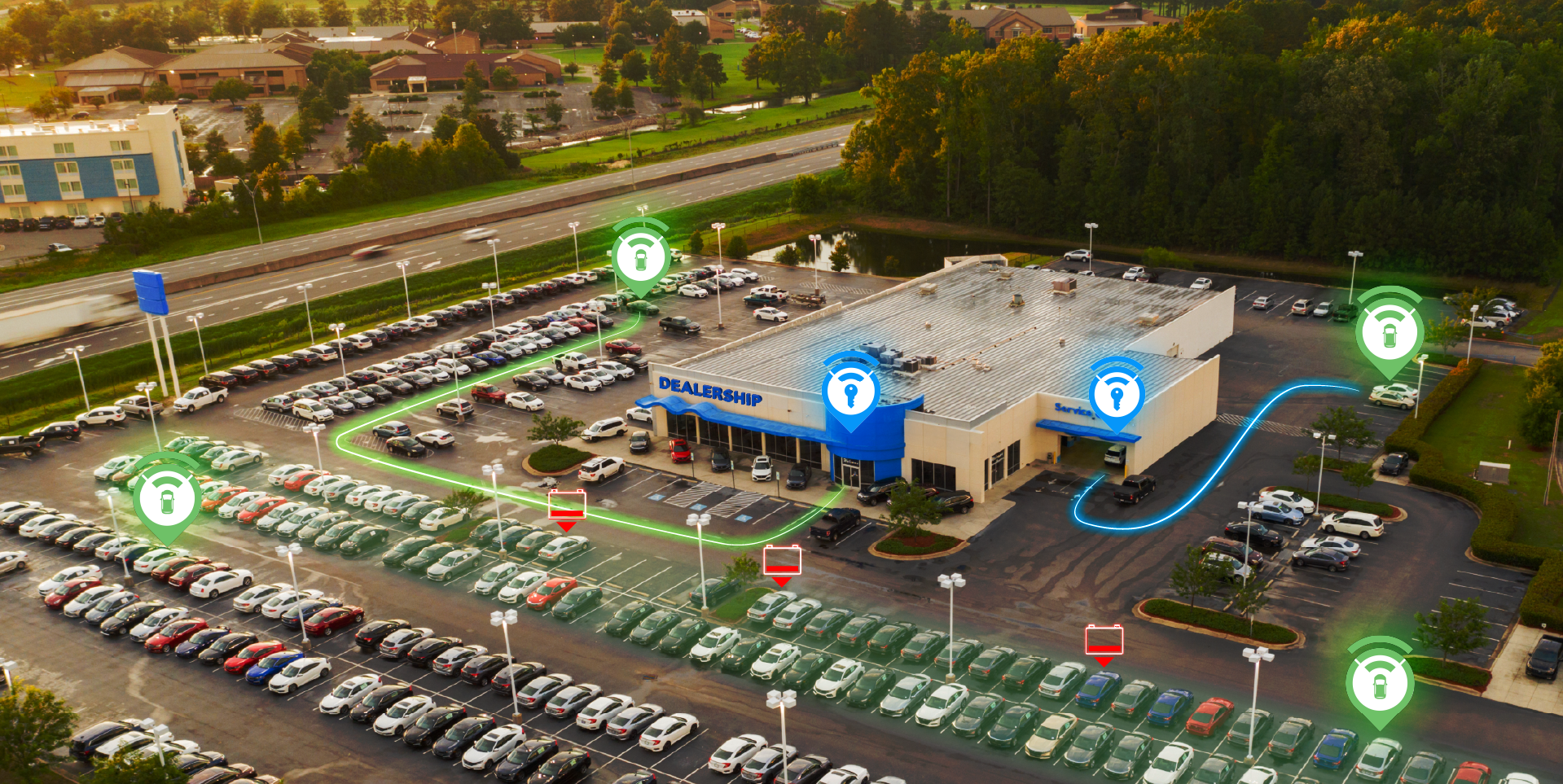
Theft protection is the natural bridge to a product like ours, and it is also where discipline matters. A GPS or theft-recovery product is not automatically reinsurable just because it sits on the menu. Product design, tax treatment, and partner documentation decide that. If you are still tightening the lineup itself, our take on building a leaner product mix pairs well with the reinsurance question.
The risks that actually hurt dealers are governance failures: thin documentation, an entity that does not behave like a real insurance company, and tax positions taken without counsel. Reinsurance is legitimate. What draws scrutiny is form without substance.
The tax side stays live. The §831(b) election that lets qualifying small insurers be taxed only on investment income carries a $2,900,000 premium limit for taxable years beginning in 2026, and micro-captive arrangements remain under the microscope. In 2026 a Texas federal court vacated the IRS listed-transaction label for certain micro-captives while leaving the transaction-of-interest designation standing, so relief and uncertainty arrived in the same ruling. The IRS scrutiny checklist is concrete, and they examine all of it: tax-avoidance purpose, whether the company is a genuine entity, real risk transfer, adequate capitalization, executed agreements, related-party loans, and personal-use assets.
The other exposure sits at the desk, where the product is sold. Add-ons are optional products and services, and the FTC keeps policing deceptive pricing and unwanted extras, sending dealer warning letters as recently as March 2026 even after the CARS Rule was vacated on procedural grounds. Clean menu presentation, documented consent, and accurate pricing protect both the deal and the reserve behind it, because sloppy disclosure feeds cancellations and audit risk straight into your loss ratio. Our compliance walkthrough for selling theft recovery lays out the disclosure habits that keep that profit defensible.
No single structure wins for every store; the right one balances how much control you want, when reserves become accessible, how visible the reporting is, and your tax and legal appetite at your deal volume. The comparison below is directional decision support drawn largely from commercial education sources, not a regulator-published taxonomy, so treat it as a starting frame for a conversation with counsel.
The asterisked distinctions lean on vendor education rather than primary authority, so verify them against your own counsel before you commit. Anyone telling you there is one universal best structure is selling, not advising.
Setting up dealer reinsurance follows a repeatable path, even though no regulator publishes an official checklist and public sources do not give reliable setup costs or universal timelines. Treat the sequence below as the owner-usable order of operations, and let your numbers, not a brochure, set the pace.
The work does not end at launch. Monthly bordereau and loss-ratio review keeps the reserve honest, and an annual tax, state-filing, and structure review keeps the company defensible. NADA's dealer tax guidance underpins much of this discipline, and skipping the recurring governance is exactly what turns a sound program into an exposure.
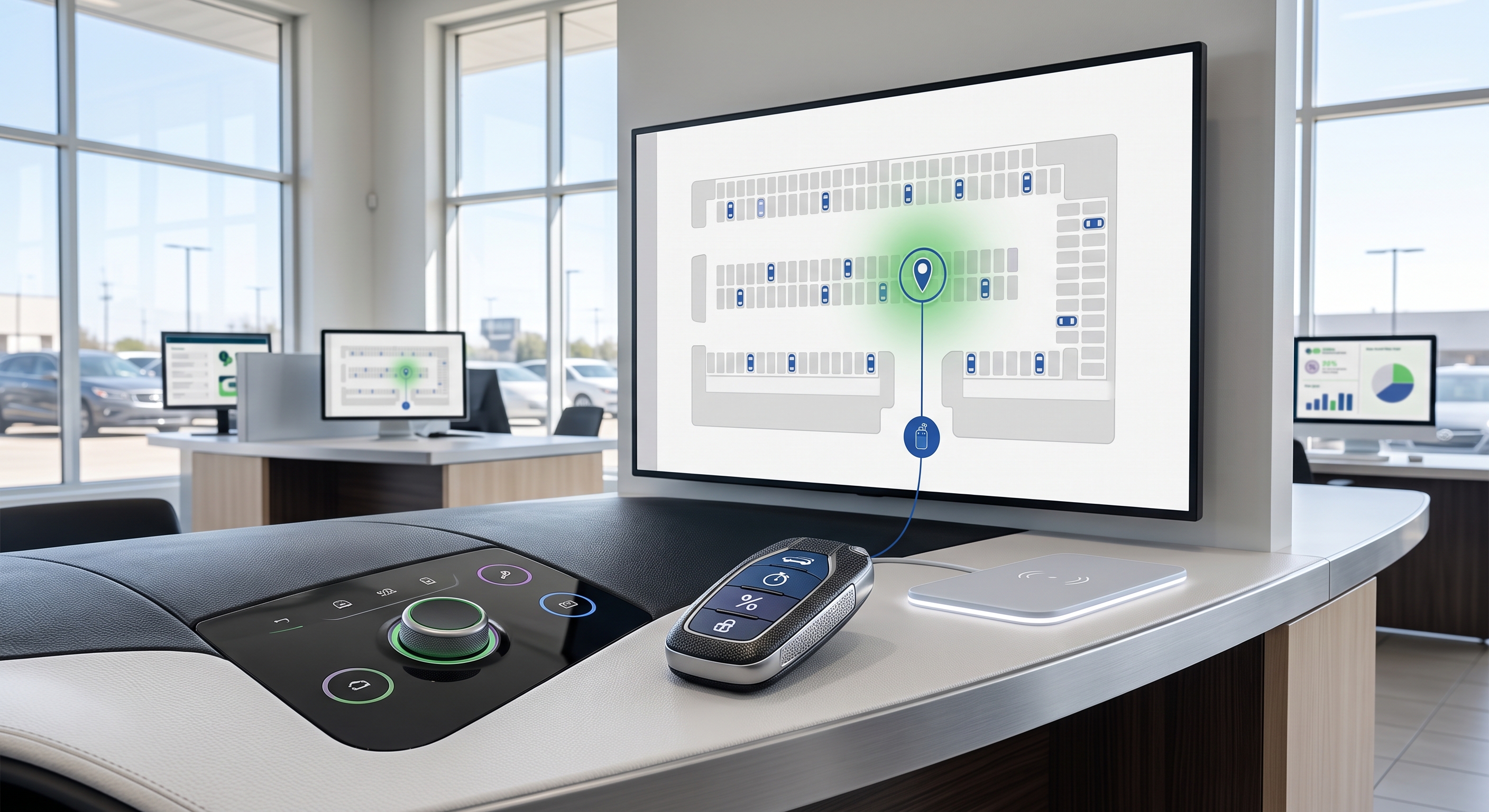
Ikon fits because our theft-protection product is tangible, capped, and built on a consignment model with no upfront device cost, which makes it a lower-risk candidate for a captive than open-ended mechanical coverage. The customer leaves with a dealer-branded app, active recovery, and a $10,000 theft benefit, and the store sees an average $323 PVR uplift plus roughly 50 incremental repair orders a month from Smart Marketing.
The claims math is what backs up the lower-risk framing. With a 99.8% recovery rate and an average recovery time near 18 minutes, non-recovery payouts stay rare, and the benefit is capped rather than open-ended. According to our published reinsurance optimization terms, the program runs a $10 admin fee, reserve requirements typically met within 90 days, a current loss ratio near 3%, and quarterly distribution once reserves clear excess.
Lower risk is not the same as no risk. Claims volatility, fees, tax rules, and compliance still apply, so verify the schedule against your own dealer agreement and counsel before you bank on any number.
Dealer reinsurance is a governance decision before it is a product upgrade. The question is simple: do you keep renting your back-end profit to a third party, or do you build a company that owns the underwriting result and the investment income riding on it, deal after deal, year after year?
What protects that capital is discipline, not optimism. Genuine risk transfer, adequate capitalization, clean add-on disclosure, and an annual tax and audit review are the levers that keep the profit yours rather than the IRS's question. A tangible, capped theft product like Ikon's can sit inside that program as a lower-risk fit, provided you treat the published metrics as a starting point to verify, not a guarantee.
The concrete next step is data. Before you select or change a program, pull your production, claims, cession, fee, and reserve numbers into one view, then take that picture to counsel and a structure conversation. The math on your own contracts, not a pitch, tells you whether reinsurance earns its complexity.
Yes. In classic reinsurance, the licensed direct writer stays obligated to the customer for claims even after risk and premium cede to your dealer-owned reinsurer. You participate in the underwriting result and the investment income on reserves, but the front-line claims obligation to the buyer stays with the issuing carrier under that model.
No. Category labels are not enough on their own. Service contracts, GAP, etch, and credit insurance commonly qualify, but some items are not insurance for tax purposes, such as prepaid maintenance and tire wear. Product design, tax treatment, and state-law review decide eligibility, so each menu line needs its own check before it enters the captive.
No, the election is never automatic. A company has to qualify as a small insurance company and stay within the premium limit, set at $2,900,000 for taxable years beginning in 2026, while meeting genuine risk transfer and capitalization standards. Micro-captives stay under IRS scrutiny, so tax counsel should confirm eligibility before you rely on the election.
Avoid it when the warning signs are there: weak documentation, a tax-only motivation, poor claims visibility, thin capitalization discipline, or no appetite for annual governance. Those are exactly the conditions the IRS checklist flags. Reinsurance rewards owners who run a real insurance company, and it punishes anyone treating it as a shelter rather than a disciplined operation.
Review the core statements monthly and run a full structure review annually. Each month, read the cession statements, claims detail, loss ratio, reserve movement, and fee deductions so nothing drifts unnoticed. With reserve requirements often met within about 90 days under programs like ours, that monthly cadence keeps your distribution timing and reserve health in clear view.
Yes, it is an excellent fit as an F&I product. The capped $10,000 benefit, 99.8% recovery rate, and no-upfront-device-cost model support a lower-risk profile. Confirm actual eligibility through current Ikon program documents, your dealer agreement, and counsel review before routing it into any captive or participation structure.
.jpg)



.jpg)