For modern franchise dealerships, the "lot" is no longer just a parking space - it is a high-velocity fulfillment center. As inventory turnover remains a primary KPI, the technology used to manage that inventory has shifted from a luxury to a logistical necessity.
Effective lot management is about reducing friction - the time spent searching for units, the risk of theft, and the "dead time" between a vehicle’s arrival and its frontline readiness. Below are the industry-recognized best practices and features for selecting a lot management system.
1. Real-Time Geospatial Inventory Mapping
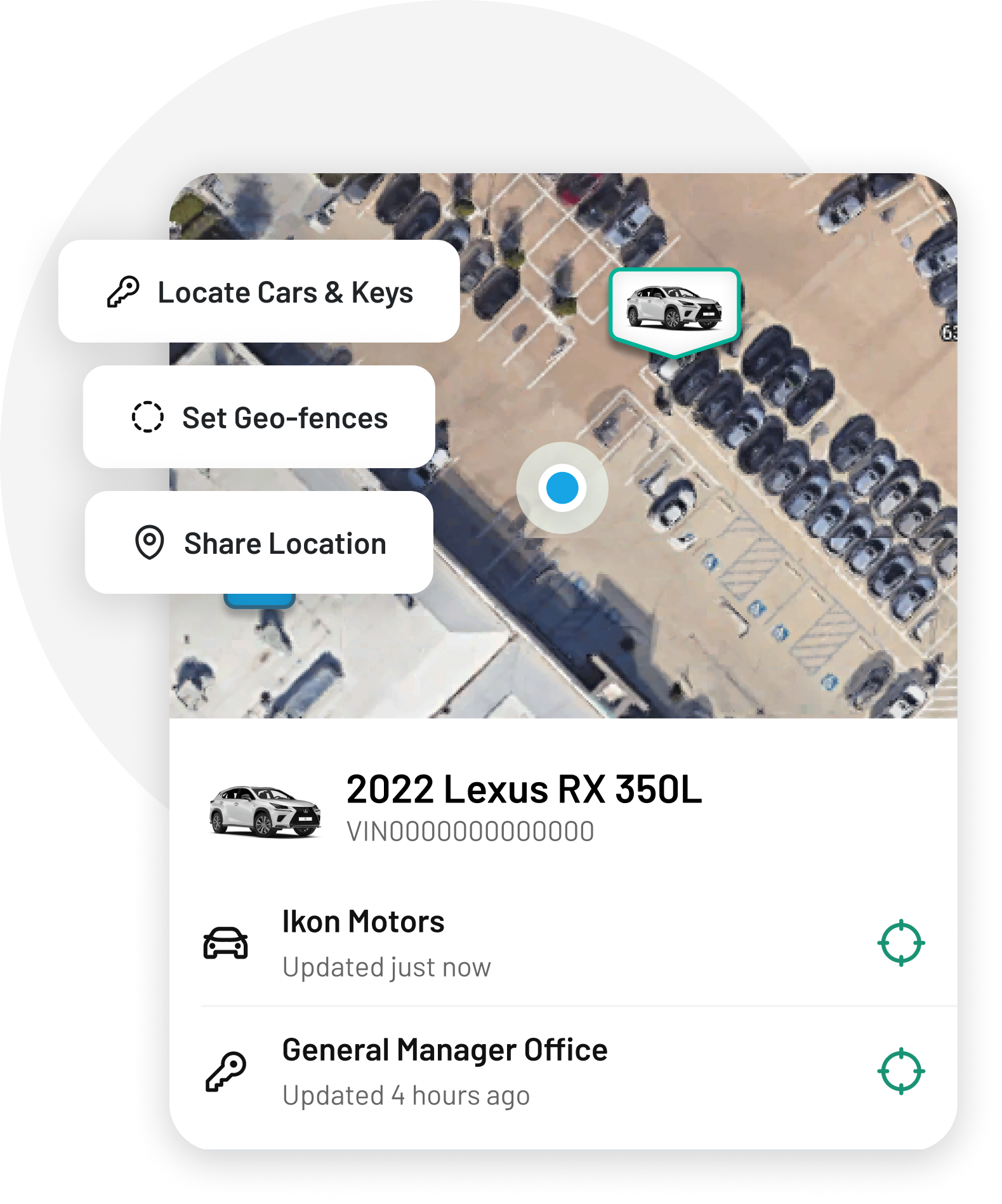
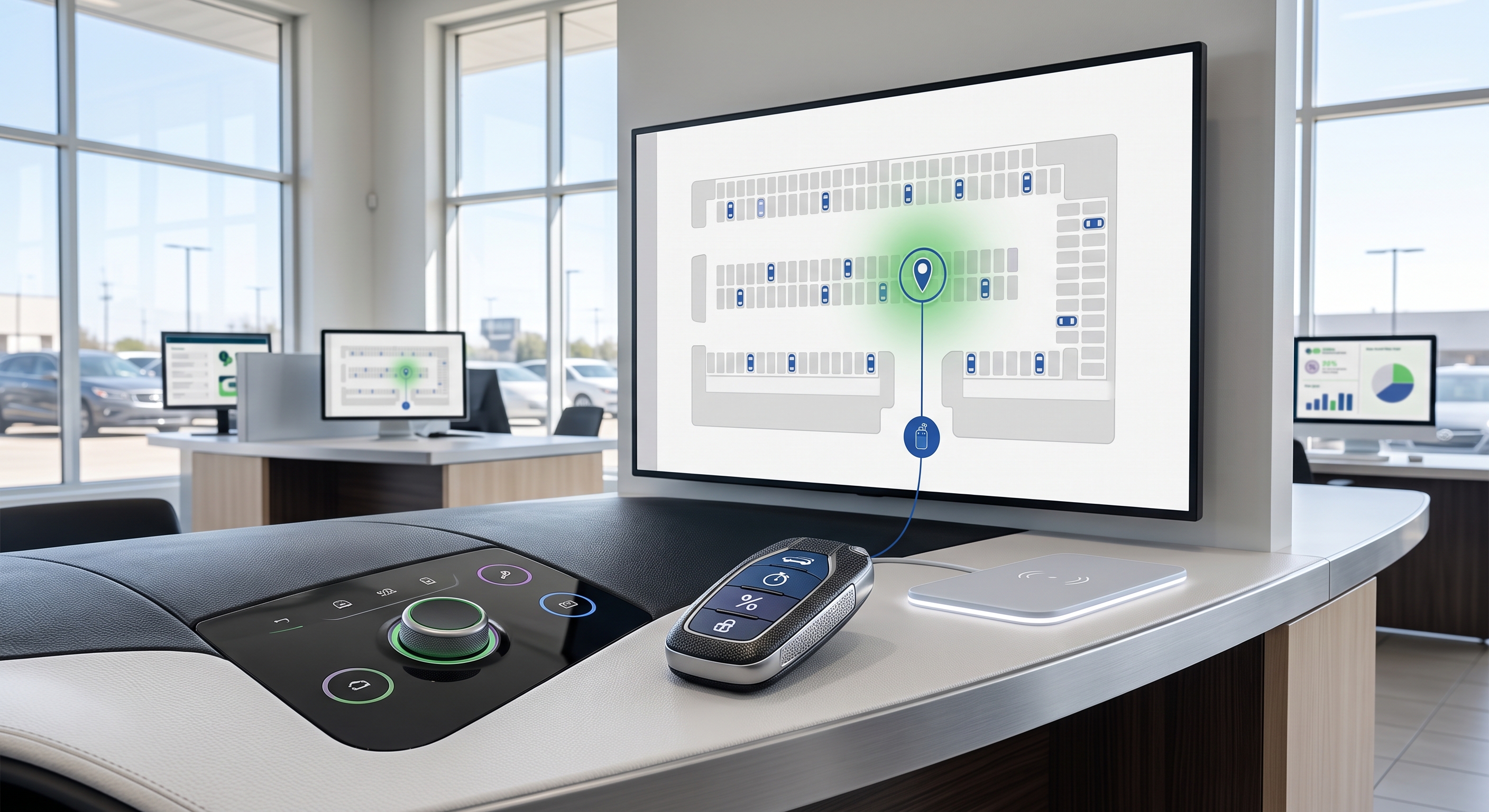
The foundational requirement for any system is the ability to locate a unit within a three-foot radius.
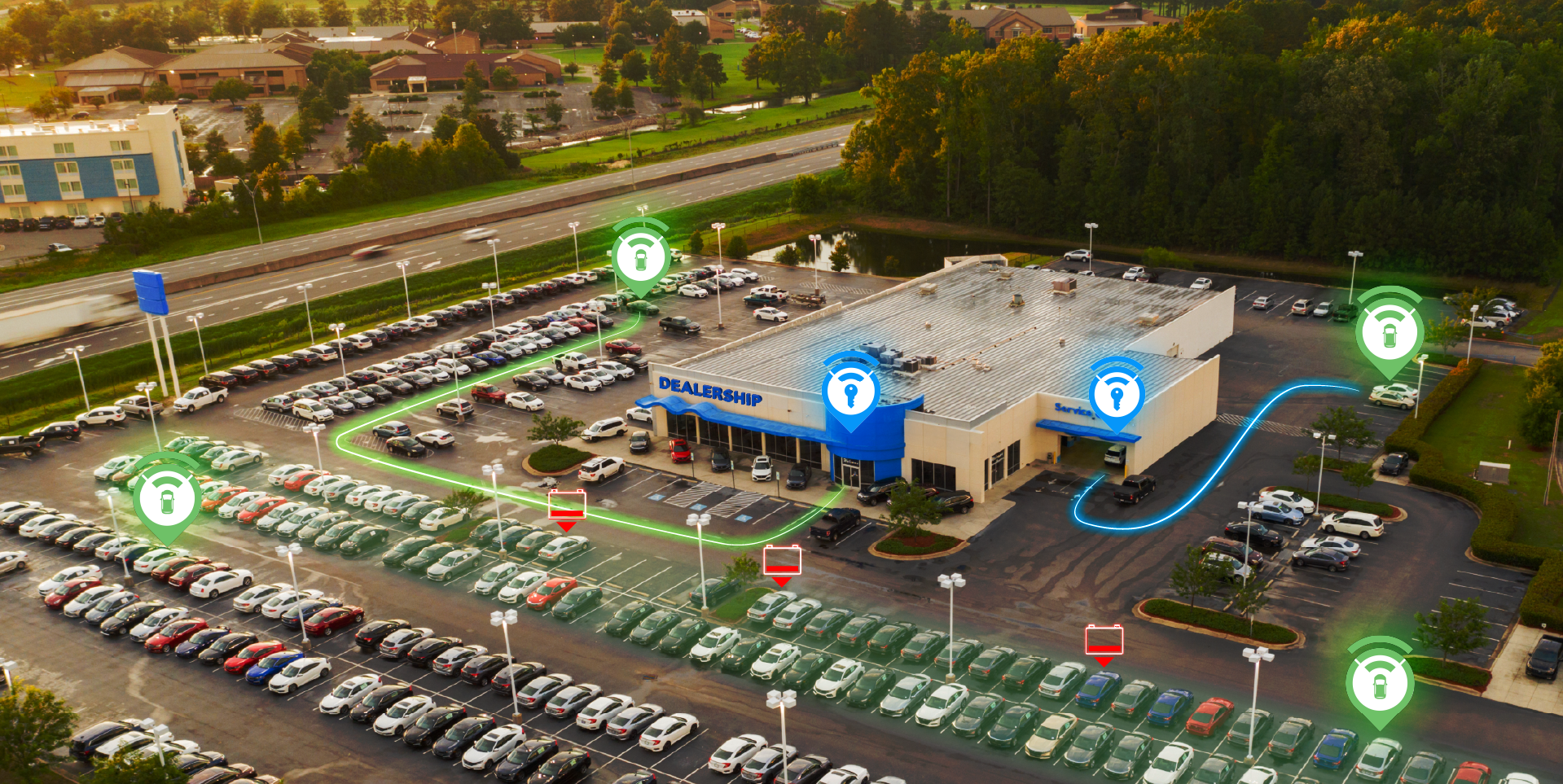
- Best Practice: Use a system that provides a live, top-down map of the lot accessible via mobile devices. This eliminates "lost" inventory and reduces the time sales staff spends away from customers.
- The Ikon Approach: Ikon’s Find the Car, Find the Keys feature addresses this by tracking not just the vehicle, but the fob, solving the two most common causes of sales floor delays.
2. Proactive Security and Vehicle Theft Recovery
Theft is an increasing line-item expense for dealerships. Traditional "passive" GPS only helps after a car is long gone.
- Best Practice: Look for active geofencing and movement alerts. The system should notify security or management the moment a vehicle moves outside of business hours or crosses a virtual boundary.
- The Ikon Approach: With an average recovery time of 18 minutes and a 99.8% recovery rate, Ikon focuses on rapid response to minimize damage and loss.
3. Streamlined Floorplan Auditing
Manual floorplan audits are prone to human error and consume dozens of man-hours every month.
- Best Practice: Modern lot management should automate the reconciliation process. By providing lenders with real-time, verified data of every unit’s location, dealerships can reduce audit duration and the associated stress.
- The Ikon Approach: Ikon’s reporting suite is designed to automate these audits, allowing managers to focus on moving metal rather than counting it.
4. Telematics-Driven Service Retention
A lot management system’s value shouldn't end when the vehicle leaves the curb. The most effective systems use the hardware already installed to feed the service drive.
- Best Practice: Integrate vehicle health data (odometer, battery, and diagnostic codes) directly into the dealership’s marketing or CRM.
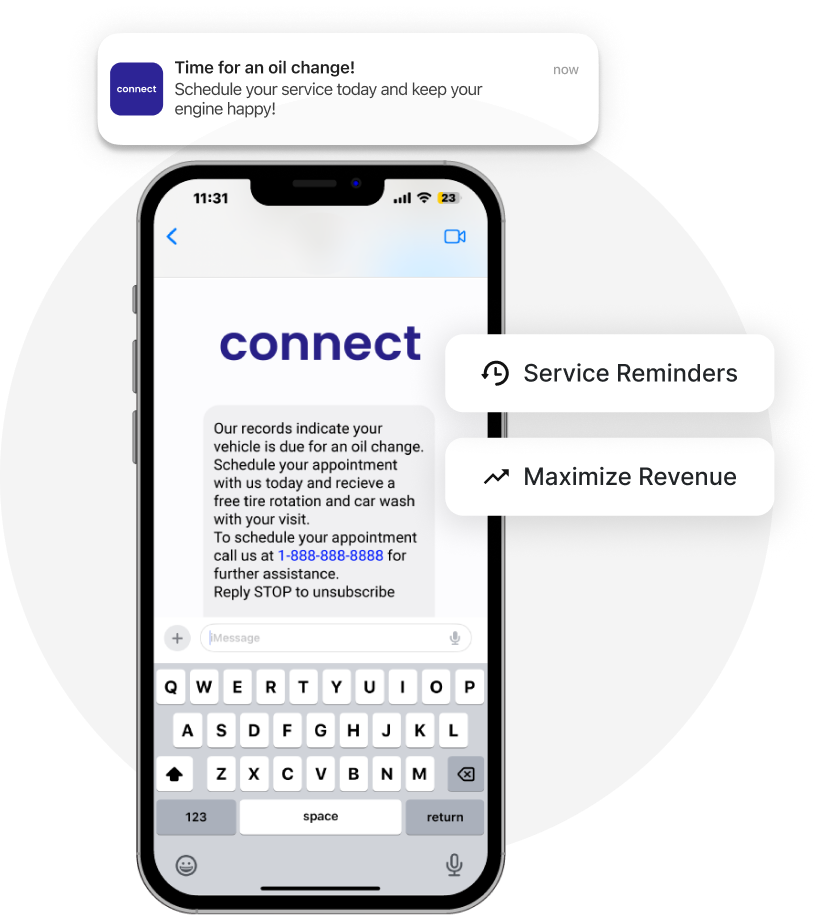
- The Ikon Approach: Through its dealer-branded app, Ikon allows franchise stores to stay connected to the customer via Smart Marketing, sending automated service reminders based on actual mileage rather than estimates.
5. Financial Sustainability: The Cost-to-Profit Pivot
A major friction point for GMs is the high upfront cost of hardware.
- Best Practice: Evaluate vendors on their "Total Cost of Ownership." Look for partners that offer flexible billing models that align with the vehicle's sale.
- The Ikon Approach: By utilizing a zero-upfront-cost consignment model, Ikon converts a traditional operational expense into a profit center, adding significant PVR to the deal.
Conclusion: Turning Logistics into Lasting Profitability
The difference between a standard dealership and an "Ikonic" one lies in how they manage their most valuable assets. While basic lot management systems focus solely on recovery, a best-in-class solution serves as an operational backbone that improves the customer experience, secures the inventory, and fuels the service drive for years to come.
By implementing the best practices of real-time mapping, automated auditing, and telematics-driven marketing, franchise dealers can eliminate the operational friction that eats away at gross profit. Ikon Technologies provides the only platform designed to bridge these gaps - turning the lot into a engine for both immediate sales velocity and long-term service retention.
Investing in a robust lot management system isn't just about finding cars; it's about finding new ways to grow your bottom line.

.jpg)





.jpg)