Franchise dealers heading into 2026 face a margin picture that no longer rewards a single hero number on the front end. The cleanest path to stronger automotive margins runs through F&I performance, fixed ops absorption, and a retention engine that turns each delivered customer into another repair order. Pricing alone will not carry the store this year.
The pressure is recent and quantifiable. Dealer profitability softened in late 2025 while operating costs stayed elevated, and inventory is no longer scarce enough to mask slow turns or weak handoffs between departments.
Before the playbook, here is what shifts the math for stores rebuilding their profit architecture this year:
Start with the parts of the store a manager can still influence inside a single week. Cox Automotive's Q3 2025 dealer sentiment reading showed the profit index slipping from 39 to 38 while the cost index held at 70, so the first margin review belongs at the handoffs between sales, F&I, service, and operations rather than at the showroom price tag.
Pricing discipline still sets the floor on each deal, but the bigger leaks now sit in the spaces between departments. F&I performance per vehicle retailed deserves its own review because the back-end can rise even when vehicle gross falls. Fixed ops earns early attention because the next repair order is where the store actually books profit after delivery.
Used inventory needs faster decisions before aged units force markdowns nobody planned for. Retention belongs in the same conversation, since the easiest repair order to win is from a customer who still trusts the store. Lot speed and compliance round out the list because lost cars, missing keys, and avoidable security exposure all show up later as net profit drag.
Treat the service drive as gross production, not customer support. The 2026 Cox Automotive Fixed Ops and Ownership Study shows 58% of high-performing dealers describe service profits as strong, against 28% of the rest, with absorption running at 73 versus 70 and noticeably higher daily shop hours.
The operational separators are concrete. High performers are more likely to sell at least 100 shop hours a day and to run bay utilization above 90%. Higher customer-pay RO bands tell us service profitability tracks the size of the work approved, not just the car count rolling through the lanes.
What changes the RO size: Customers shown repair photos or videos spent $640 per RO out of pocket, compared with $410 for customers who saw none, a gap of roughly $230 per visit driven entirely by how the recommendation is presented.
Photo and video MPIs make the recommended work easier to understand, and e-approval shortens the wait between the tech's finding and the customer's yes. Declined-service recapture and third-party service financing keep needed work from dying at the payment conversation, which is where a lot of approved hours quietly leak. Sales and service should also share customer context before the first maintenance visit ever lands on the schedule.
F&I is the clearest near-term offset when front-end gross compresses. StoneEagle's review at NADA put F&I profit per vehicle retailed up 14% from January through December 2025, even as total gross per vehicle moved the other direction.
The practical move is to review F&I PVR separately from vehicle gross. When the two run in opposite directions, a single blended number hides whether the back-end is actually carrying the retail unit or just dressing up a thin deal. Managers need both lines on the same page to read the store honestly.
Product presentation should follow the customer's ownership plan rather than a generic menu, and digital retail should warm the F&I conversation before the in-store handoff. Finance readiness matters more this year because household credit stress is making approval quality harder to manage. The sales desk should not lean on F&I as a rescue lane after a weak deal structure, and a clean F&I process only protects margin when the buyer still trusts the dealership the morning after delivery.
Inventory is no longer scarce enough to forgive slow decisions. NADA's 2025 full-year data shows new light-vehicle inventory closed the year at 2.6 million units and was expected to hover near that level into mid-2026.
Aged new units should trigger an action conversation before the first big discount is needed. Used vehicles still need a tighter turn clock, since late-2025 days' supply sat near 48 and average used listing price ran $25,825, up about 2% year over year, meaning the margin risk increasingly sits in acquisition cost rather than retail price.
Appraisal decisions need to reflect today's supply, not last month's optimism. Reconditioning speed is its own margin lever, because every extra day before merchandising pushes the unit one step closer to a price concession. Weekly pricing meetings work better when the used-car manager and the service team read inventory health together before the desk changes a number.
Post-sale margin depends on earning the next service visit before the customer drifts out of the dealership ecosystem. Cox's ownership work names trust as the leading reason customers return to the selling dealership for service, and dealer-branded outreach is what gives that trust a place to act between visits.
The 2025 car-buying journey put mostly digital buyers at the top of the satisfaction rankings, so margin protection starts with a smoother handoff from online research into the store. AI-assisted shoppers also arrive sharper on price and alternatives, which raises the cost of any sloppy explanation in the deal.
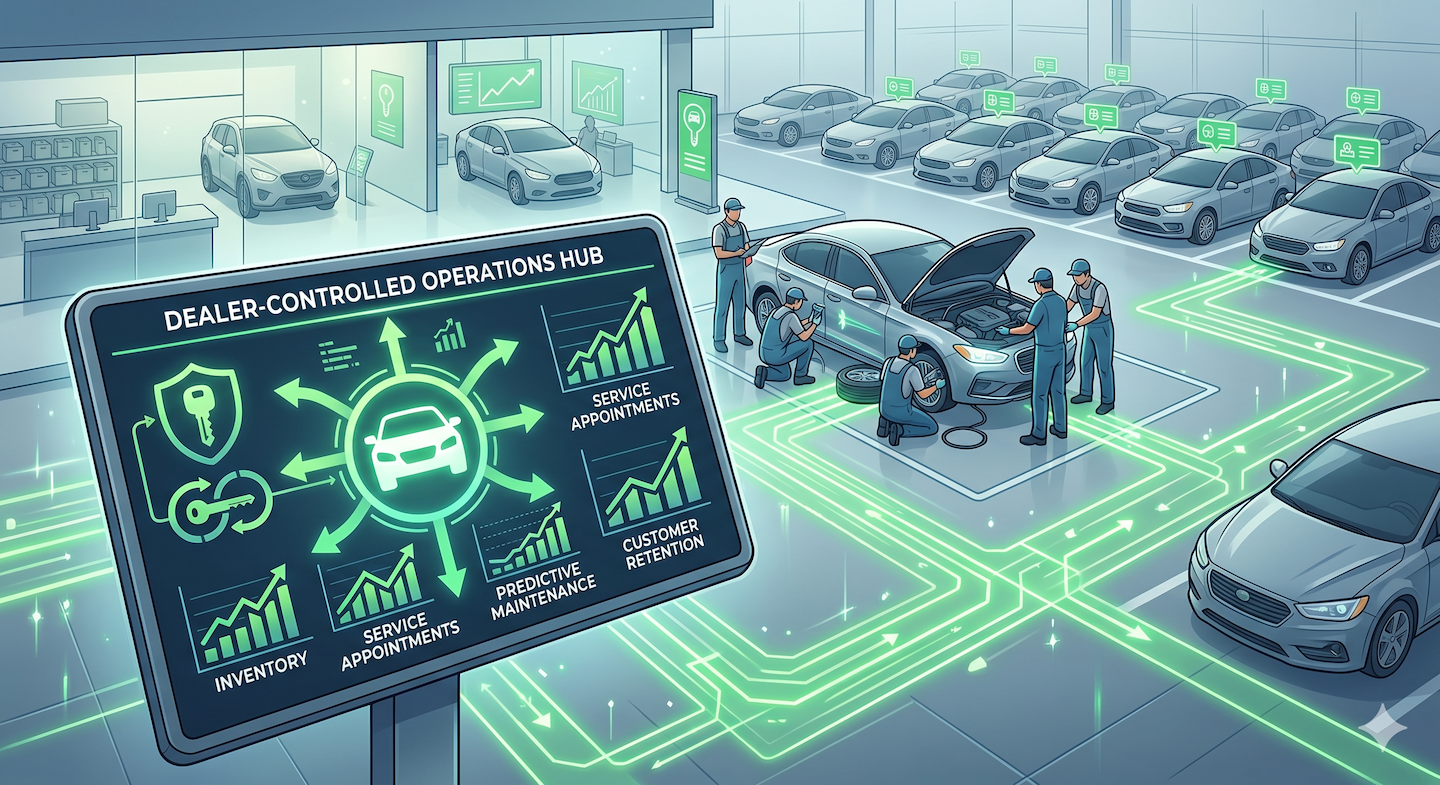
The post-sale relationship cannot go quiet after delivery. Our Smart Marketing platform sends mileage-triggered service outreach under the dealership's own brand, so the reminder reaches the customer as a message from the store they bought from rather than a third-party prompt. Ikon Connect adds a dealer-branded app experience with geofencing and theft recovery support, giving the customer a reason to keep the store on the home screen. The margin point is straightforward, since the store that owns the relationship has the cleaner shot at the next repair order and the next trade.
Margin also leaks through work that never shows up as front-end gross. Most dealers that arrange financing or leasing fall under the FTC Safeguards Rule, which requires a written information security program, and the breach-notification piece for certain incidents has been in effect since May 2024.
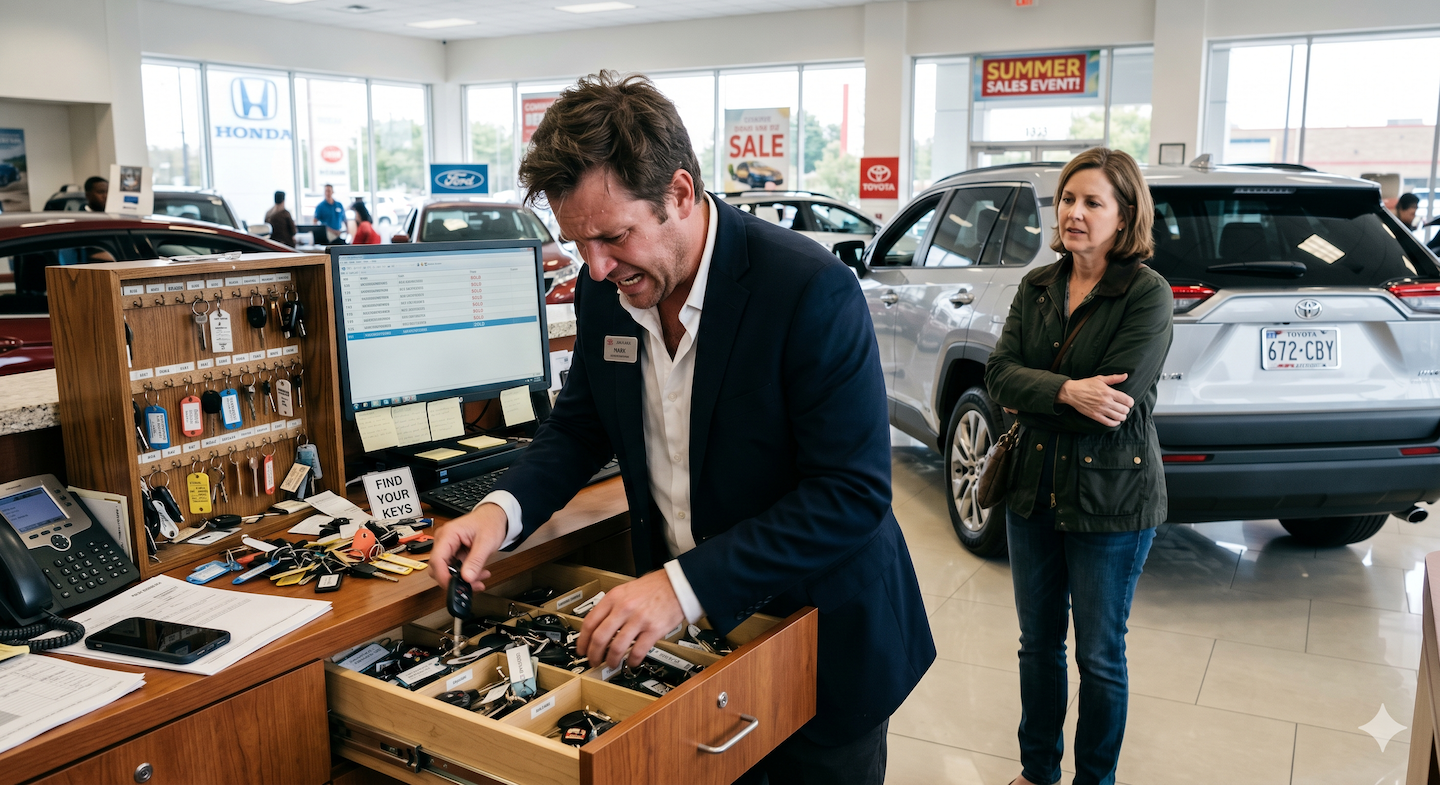
Lot control belongs in the same conversation, because delivery delays and missing keys burn paid staff time that never reappears on the P&L. A salesperson hunting a unit across a back row is not closing the next deal, and a service advisor waiting on a stocked car is not writing the next RO.
Our lot-management work ties vehicle location directly to shorter time-to-sale, with reported gains around 15 minutes per sale on locating cars and keys, audit times reduced by 56%, and a 99.8% theft recovery rate on stolen units. The monthly review should ask which losses came from policy failure and which came from poor visibility on the lot, because the fixes are different and the costs are different. NICB reported U.S. vehicle thefts fell 17% in 2024, but a single missing-unit event at the store level still erases a lot of selling time before lunch.
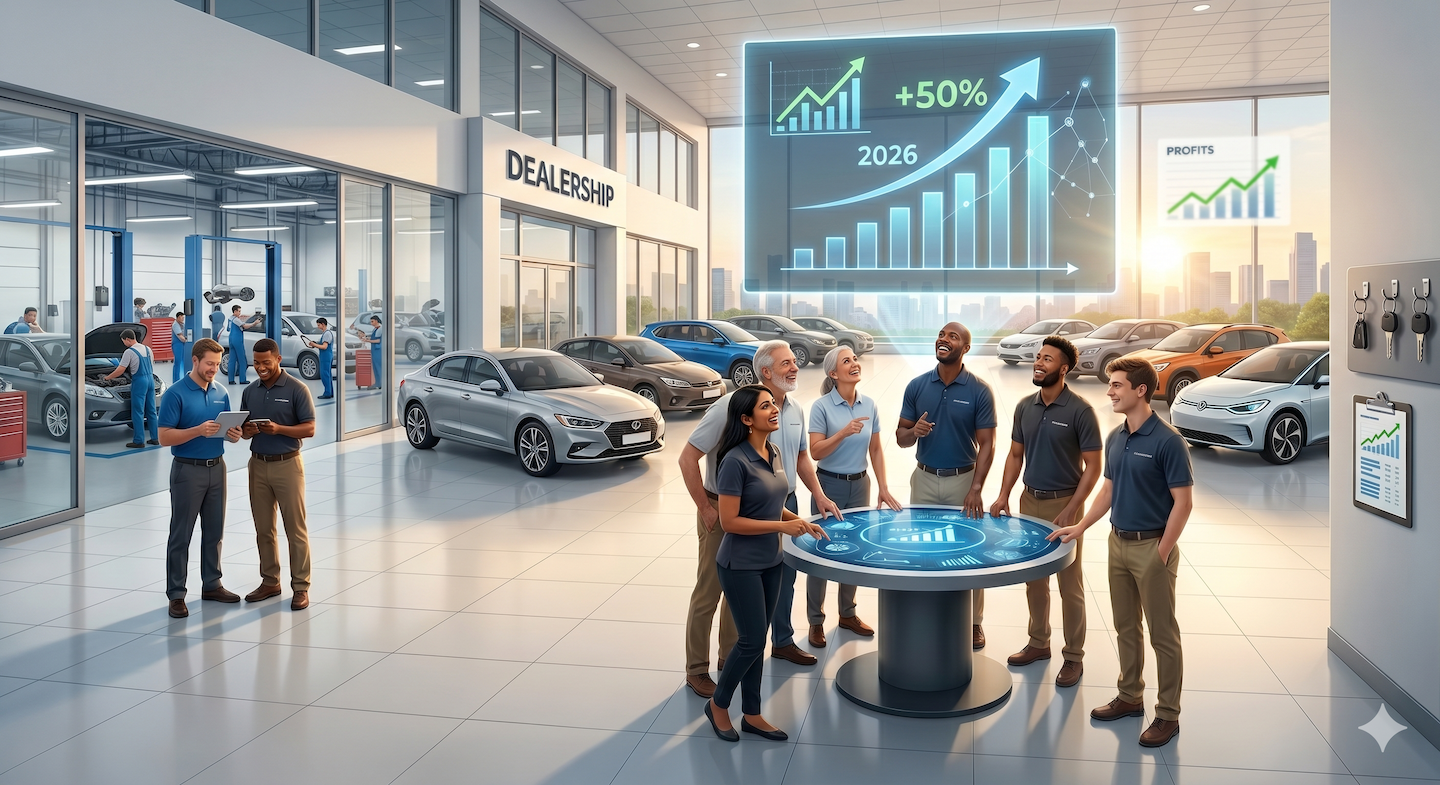
The useful shift in 2026 is that margin work looks less like a gross-per-copy debate and more like a monthly leak review across departments. The same delivered customer can produce margin at the deal, in F&I, in the service lane, and again at the next purchase, and the store's job is to keep all four doors open.
A single blended margin percentage is less useful than department-level signals tied to work a manager can actually change this week. Fixed ops and retention are where the sold customer becomes more valuable after the front-end deal closes, and that is the math that holds up when front-end gross is thin.
Build a 30-day margin review around five numbers the store already tracks: F&I PVR, aged inventory, RO dollars, declined-service recapture, and lot-delay incidents, pulled into one meeting with the GM, the F&I director, the service manager, and the used-car manager. That single recurring conversation is where the leaks get named and assigned.
Yes, and the default should be to use them on every customer-pay recommendation. Cox's ownership study found customers who received dealership photos or videos spent $640 per RO out of pocket, against $410 for customers who did not. The visual evidence helps the customer say yes to work the technician already identified.
Treat that split as a signal to manage F&I separately from front-end gross rather than blending them. The 2025 pattern showed F&I profit per vehicle retailed up 14% while front-end profit shrank, so a single deal-level number hides where the unit is actually earning. Both lines belong in the same weekly review.
At least 100 shop hours per day is the realistic high-performer benchmark when the market and facility support it. Cox found that level is more common among the strongest service operations, which were also more likely to run above 90% bay utilization. Both figures point to throughput, not just car count.
Yes, especially when the message comes from the dealership's own brand and lands close to a real service need. Ikon's Smart Marketing sends outreach based on mileage triggers under dealer branding, which keeps the next maintenance conversation inside the selling store rather than handing it to a third party or an OEM app.
No, the national trend does not remove dealership-level exposure. NICB reported a 17% drop in U.S. vehicle thefts in 2024, but a single theft or missing-unit event at the store can still erase a day of selling time and the gross attached to it. Lot visibility is a profit issue, not just a security one.
Assume the buyer arrives more prepared than last year and price every conversation accordingly. Cox found 19% of all buyers and 25% of new-vehicle buyers used AI tools during the journey, so the pricing explanation, trade math, and product presentation need to hold up earlier and under sharper questions than they used to.