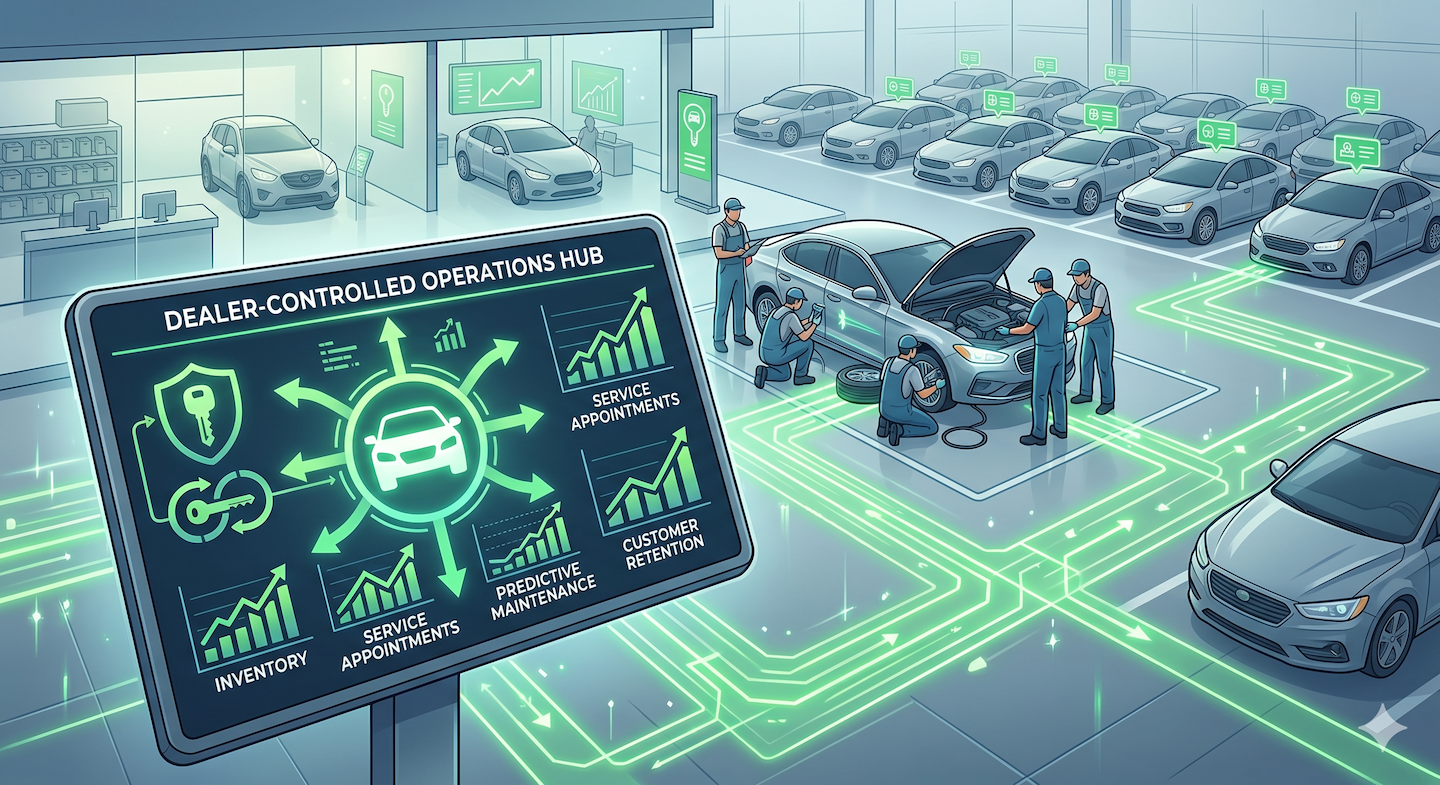
Dealer-controlled vehicle data means authorized signals from the car land inside the rooftop's own service workflow, where an advisor can act while the customer still needs help. The operational value sits in the path from vehicle alert to advisor follow-up, and current retention numbers turn that path into a fixed-ops revenue question.
OEM apps now host many of the alerts and scheduling moments that once started with the local store, and privacy scrutiny has sharpened after the 2025 GM and OnStar action at the FTC. The stake for our dealer partners is straightforward: control of the service conversation after the sale.
Dealer-controlled vehicle data is useful when the store can act on a vehicle signal inside its own service process. The clearest path runs from the vehicle to a trigger and then to a named advisor who can pick up the phone before the customer drifts.
The category covers vehicle health signals that warn an owner about a maintenance need, mileage or age data that supports timed reminders, and a more sensitive class of inputs that the FTC has tied directly to consumer risk. Connected vehicle data can include precise geolocation and driving-behavior signals, which is why the practical question is less about ownership in the abstract and more about who can act on the alert in a way the customer recognizes. A rooftop gains real value only when the trigger lands with a clear owner and a defined next action.
When the OEM app owns the alert and the appointment session, the store may receive the work only after the manufacturer has shaped the interaction. Selling-dealer service retention is already under pressure, which makes that routing question an immediate operational concern, not a future one.
The numbers are pointed. Dealers have lost 12% of service visits to competitors since 2018, and only 54% of owners with vehicles two years old or newer returned to the selling dealer for service in 2025, down from 72% in 2023. Service and parts climbed to 13.2% of dealership total income in 2025, so every diverted appointment is felt on the income statement. The deeper risk is cultural: when the customer's first tap is the brand app, the local store can quietly become the place where work gets performed rather than the relationship that produced the visit.
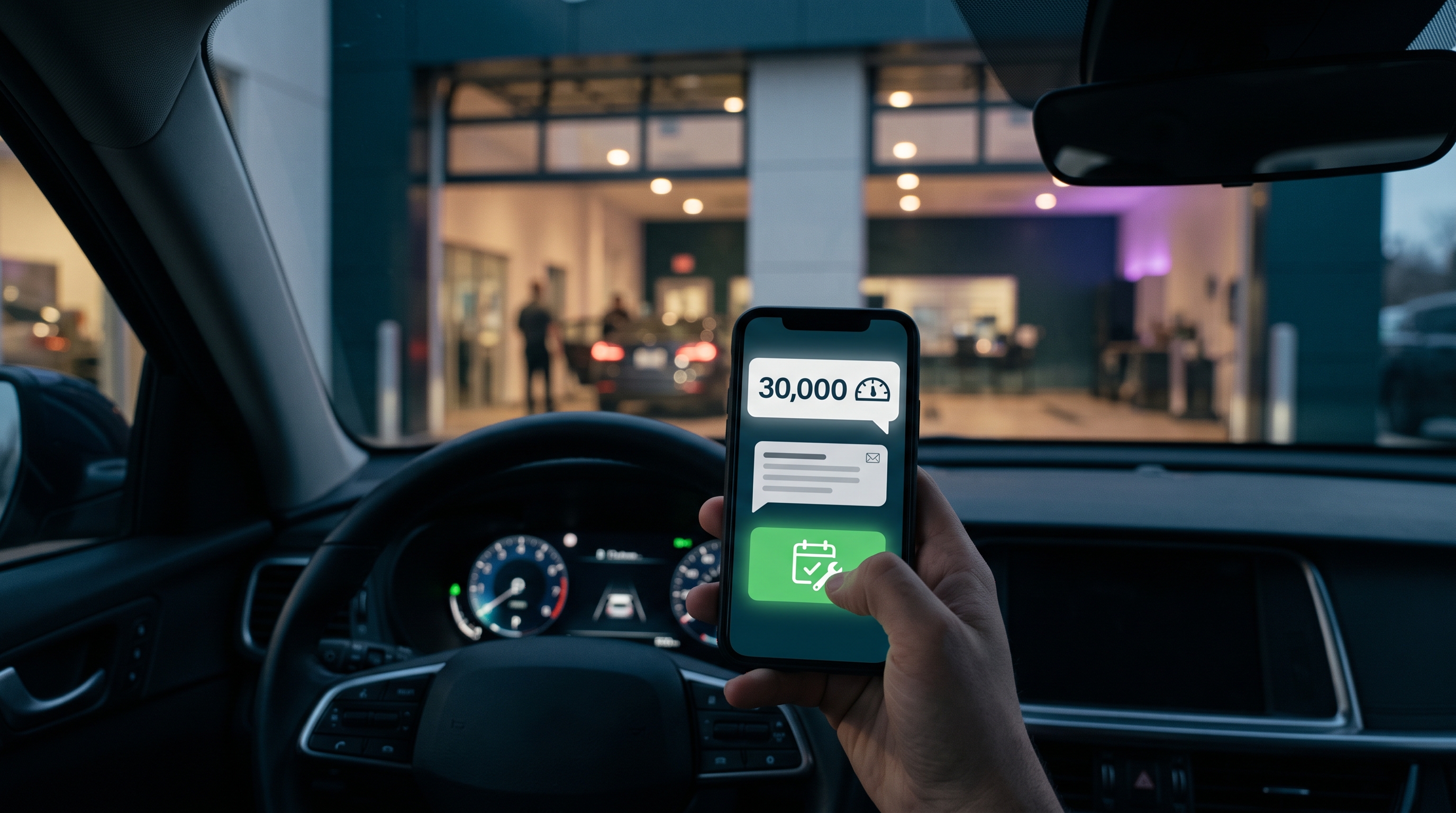
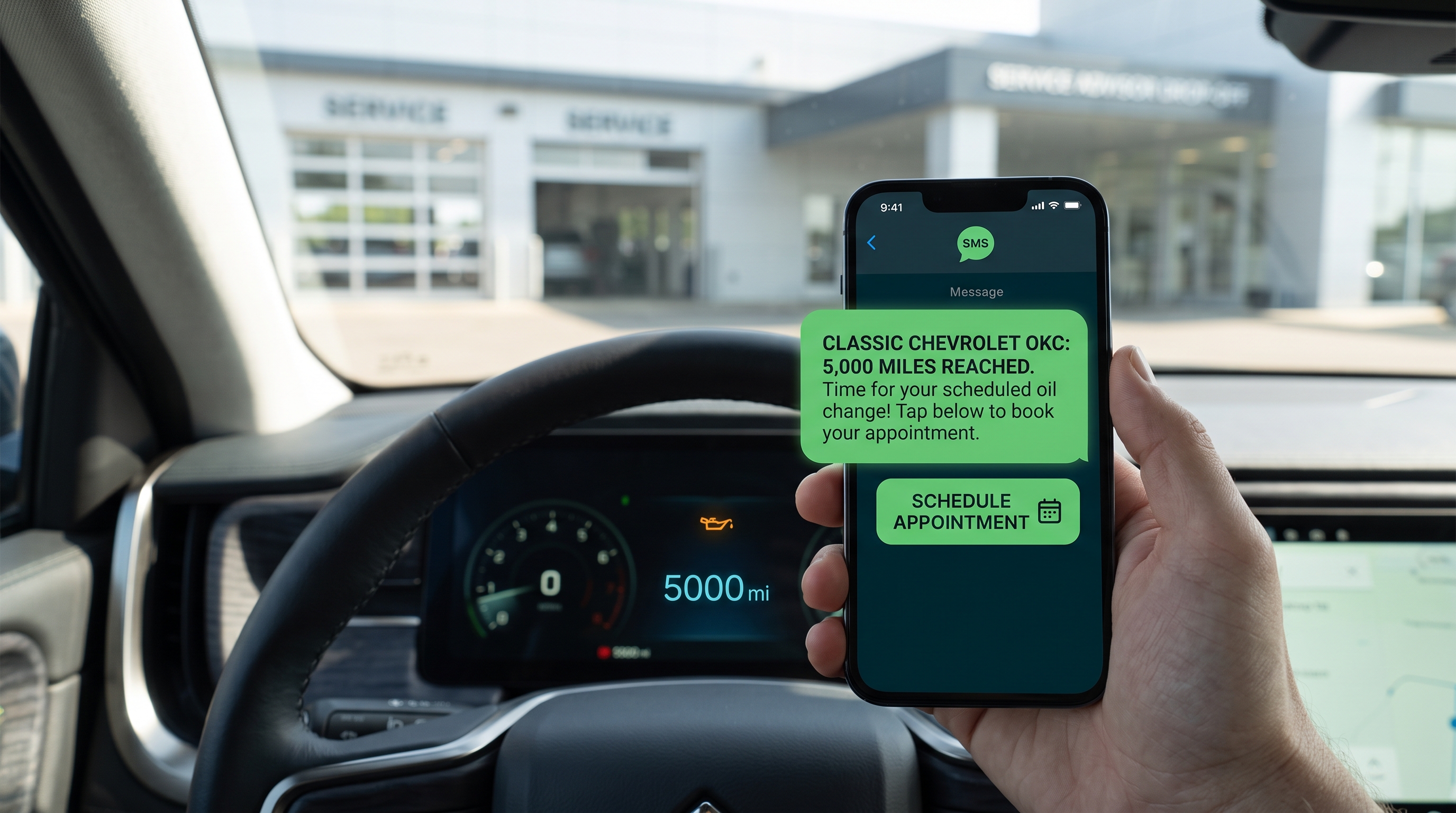
The strongest triggers are the ones that give an advisor a timely reason to call. Mileage-based reminders and vehicle-health alerts matter more than data the store cannot explain or use, and the Cox Ownership Study backs that ranking with hard preference numbers.
Manufacturer apps already put service activity inside the brand environment, which is where app control becomes a fixed-ops issue rather than a marketing one. Chevrolet describes real-time diagnostics and service appointment scheduling inside the myChevrolet app, and Ford and Toyota documentation places vehicle-health alerts and maintenance prompts inside their own branded experiences.
The customer's first tap can happen before an advisor has any chance to respond. Store access depends on a setting the service team often cannot see, which is why follow-up turns inconsistent across rooftops with otherwise solid processes. The dealership should ask, brand by brand, where each alert lands and which user account controls the session, because a store can become the repair location without ever owning the conversation that created the visit.
Note: Industry coverage in 2025, citing Bank of America's John Murphy, put U.S. dealers at roughly half of the $2.4 trillion spent annually on aftermarket service and parts. The trigger-routing question sits directly on top of that gap.
Connected-car data can sharpen service outreach, but the sensitive categories need clear consent and disciplined handling. The GM and OnStar action shows how location and driving-behavior data become a regulatory problem when sharing is unclear to the consumer.
In January 2025 the FTC alleged that GM collected and shared precise geolocation and driving-behavior data from millions of vehicles, with collection running as often as every three seconds for some users. The proposed order would restrict disclosure of sensitive geolocation and driver-behavior data to consumer reporting agencies for five years. Dealership privacy duties also matter once consumer information ties into financing, and Safeguards Rule expectations come into play whenever service-trigger data connects to customer records. The working rule for our stores is plain: use vehicle data for a customer benefit the owner can actually recognize.
For a franchise store, the practical answer is whichever party can receive authorized signals and act through a trusted service relationship. Dealer sovereignty shows up the moment an advisor can help before the store becomes interchangeable with any other repair option in the market.
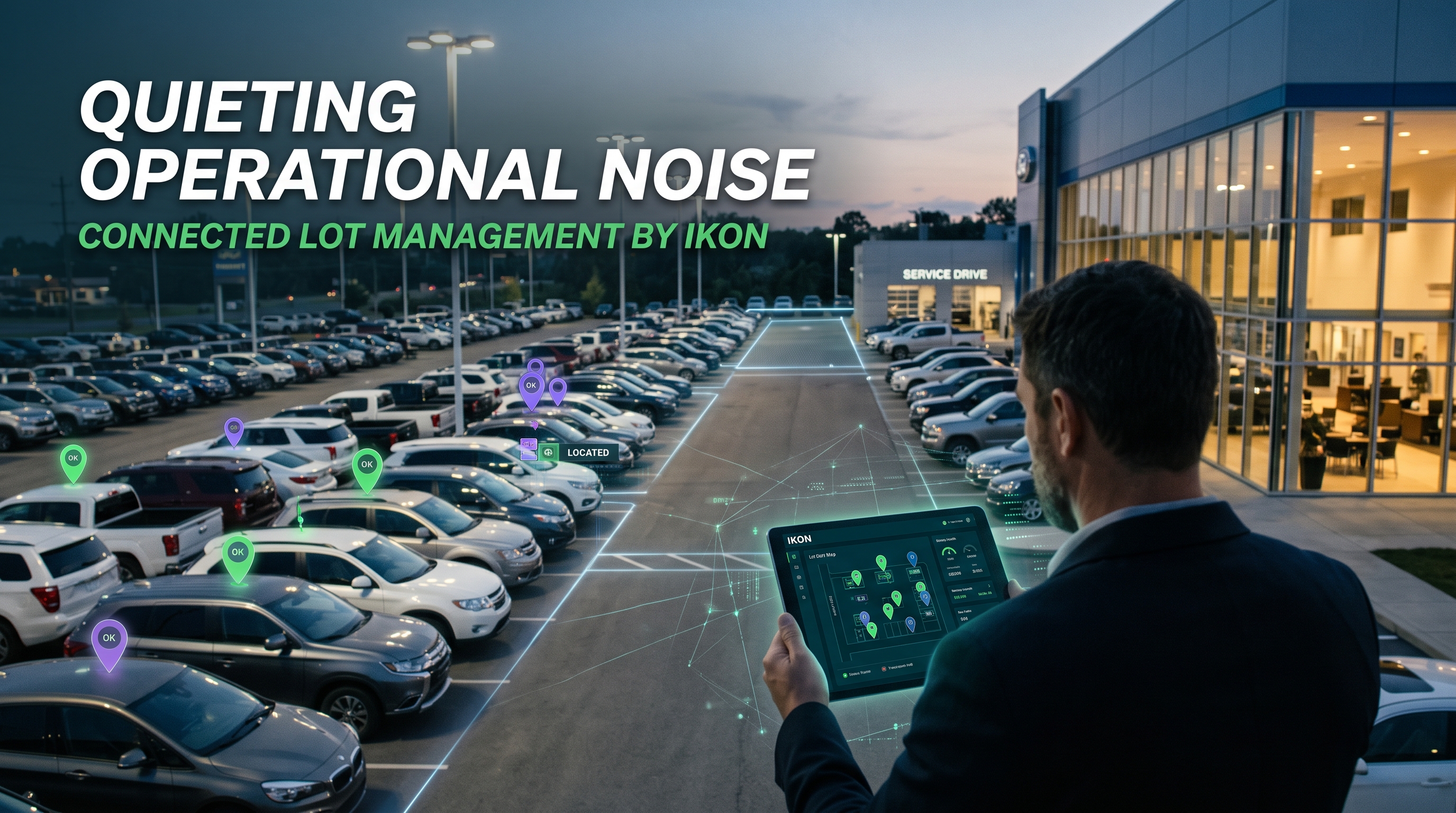
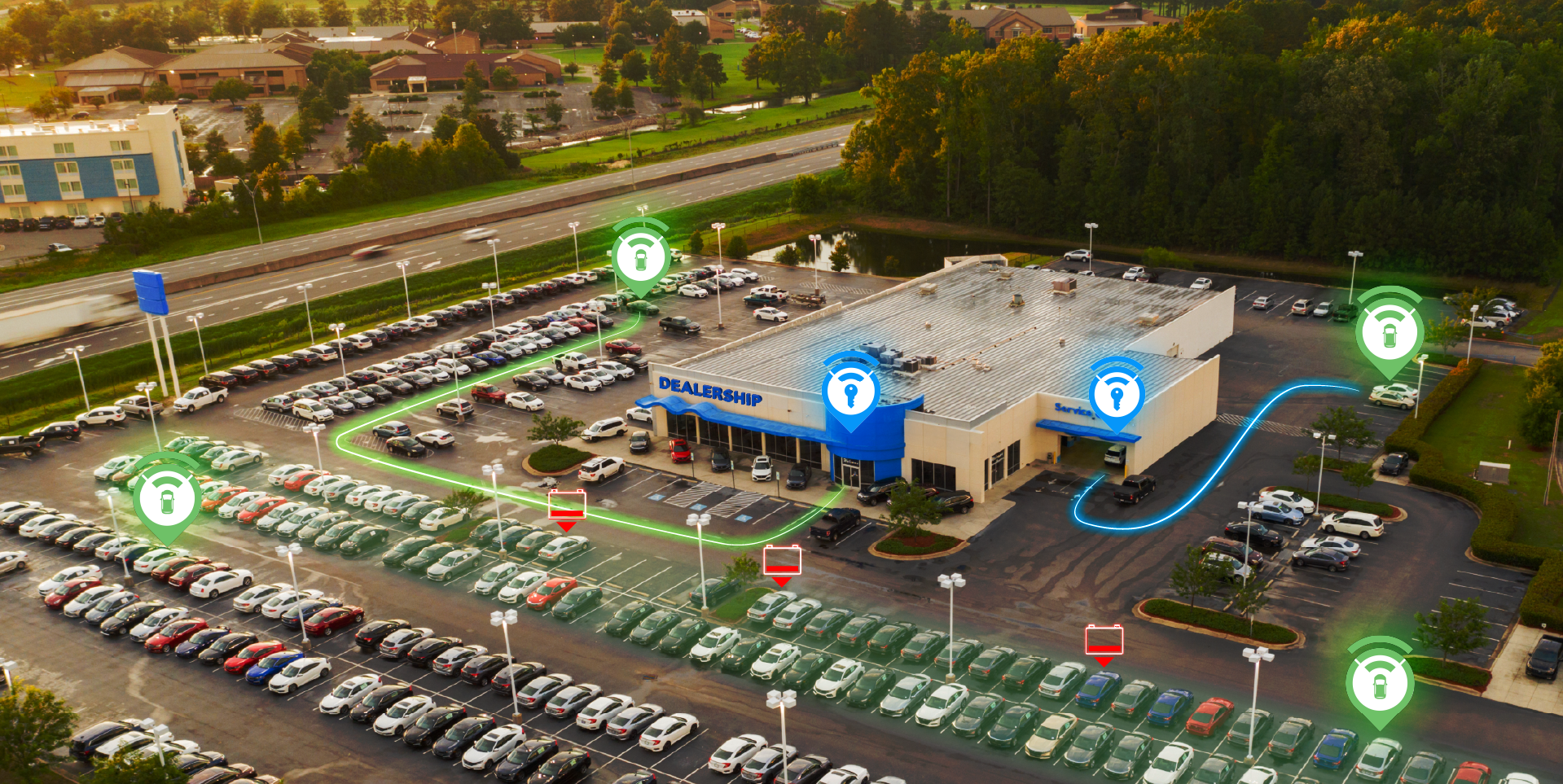
The AEMP owner-data policy offers a clean analogy from equipment telematics: the asset owner gets defined rights around machine-data access and control. California's connected-vehicle rules push in the same direction by focusing on account control and remote access. Both examples make access rights more concrete than broad ownership claims. A dealer-branded workflow, like the one our toolbox supports when staff need to locate a unit and its keys in seconds, gives the advisor a reason to call with a specific service need. A manufacturer-only session reduces the local store to the place where work is performed. The working question for every rooftop: does each trigger have a named owner and a permitted contact path before the customer drifts elsewhere?
The same data that makes service outreach useful also makes permission visible. Earlier triggers require a consent record the customer can understand and a service lane that can act the moment the signal arrives.
Cox retention numbers turn trigger routing into a fixed-ops revenue question, the GM and OnStar order ties driving-behavior data to long-term disclosure limits, and the AEMP and California examples point toward account control as the practical proof of dealer sovereignty. Map the common maintenance and health triggers from vehicle alert through to advisor follow-up, then mark who controls the app session and which consent record supports the contact. That single exercise often surfaces the gaps before the next quarter's RO count does.
The difference is routing. Dealer-controlled data reaches the store's own service workflow so an advisor can act on a timely trigger, while OEM app data may keep the alert and the scheduling session inside the manufacturer-branded environment. The store can still perform the work, but the customer conversation that created the visit lives elsewhere.
Yes, when customer permissions and system access support the use. Cox ownership data shows 80% of owners find reminders based on mileage or vehicle age helpful, which makes those signals a strong starting point. Pair the trigger with a clear advisor follow-up and a channel the owner already accepts, like text.
The concern is already visible in retention data. Dealers have lost 12% of service visits to competitors since 2018, and only 54% of owners with vehicles two years old or newer returned to the selling dealer in 2025, down from 72% in 2023. Service and parts now sit at 13.2% of dealership total income, so every diverted visit is felt directly.
Precise location and driving behavior deserve the most caution. The FTC's GM and OnStar action alleged location collection as often as every three seconds for some users, and the proposed order included a five-year restriction on disclosing sensitive geolocation and driver-behavior data to consumer reporting agencies. Routine service outreach should not depend on those categories.
Start with the triggers that can create repair orders. For each health alert or maintenance reminder, identify where the notification lands first, who at the rooftop can see it, and whether the customer permission on file actually supports advisor follow-up. The audit usually exposes one or two trigger types that never reach the service lane in time.
Yes, as a policy signal even for dealers in other states. California Vehicle Code Section 28220 requires a prominent remote-access disconnection link and a defined process for a new connected vehicle service account, which puts account control into plain operational terms. Other states tend to follow that direction once a framework is in motion.
.jpg)




.jpg)