
Dealership lot shrink covers any preventable gap between what the DMS shows and what a manager can physically prove on the lot.
A missing key, a buried recon unit, an unauthorized move, or a vague test-drive return all count, because each one breaks custody before a theft file ever gets opened. Theft is one cause inside a much larger category.
The phrase itself is not a published U.S. dealer KPI, so a store has to build its own count from VIN variance and key exceptions. National theft volume eased in 2024, yet concentrated inventory on open lots keeps the exposure real for any rooftop carrying high-value units.
Dealership lot shrink is any preventable gap between our inventory record and the actual state of the asset. A car can be physically present and still create shrink when the key is missing or the unit is buried in recon. Theft is one cause, not the whole category.
A vehicle location variance matters the moment the DMS lists a car as available while the unit sits in a service stall. A key exception matters because the VIN cannot move even when it is on the lot. Unauthorized employee use, weak test-drive controls, loaner exceptions, and delivery or title gaps all belong in the count, and the NADA risk-control guidance for dealers treats key control and accompanied test drives as core operating discipline rather than optional courtesies. No credible national lot-shrink percentage should drive the review; we count our own exceptions by VIN.
Start with key replacement, because it is the easiest line to count. A store losing five keys a month at about $350 each is already running near $21,000 a year in direct cost before any sale delay is priced in. The same loss pattern grows when a misplaced car sits through recon or floorplan days.
Direct cost is only the first line. Staff burn paid time searching desks and service lanes. Sales loses momentum when a test-drive car is blocked by a missing fob, and service pickup slows when a customer's spare key cannot be found. Carrying cost turns a quiet location miss into a margin problem once the unit sits idle. Controllers should split replacement cost from delay cost, so managers can see whether keys or vehicle movement is causing the larger leak.
Most shrink starts at ordinary handoffs. Sales moves cars for test drives, service and recon move cars for work, and accounting only sees the variance after a record fails to match the lot. The pattern is consistent across dealer reporting on misplaced idle inventory, where the daily carrying cost on a stranded unit lands somewhere between $40 and more than $100 per day depending on the store and unit profile.
Weekly review should turn shrink into named exceptions rather than department averages. The useful measures name the VIN or the key that missed its promised return time, not a rolled-up percentage that hides the actual offenders.
Recon time deserves close attention because the gap between assumption and measurement is wide. Many dealers assume a recon cycle of five to seven days while the measured number often lands at fifteen to sixteen. A short, scannable exception list keeps the review honest:
The control goal is plain. A manager should know where the unit is, the same record should show where the key is, and it should also name who last changed either custody point. Computerized VIN scanning has reportedly cut physical inventory reconciliation time by as much as 75%, turning a multi-day count into a few hours.
Worth noting: WardsAuto has documented dealer cases where 15 vehicles went missing for months before anyone reconciled the gap. Scanning closes that window; it does not remove the need for someone to resolve every VIN that fails the scan.
Staff training holds the routine in place once a stricter checkout discipline goes live, and our walkthrough of the Find the Car, Find the Keys workflow gives a department lead something concrete to hand a new hire on day one.
Theft is not the whole shrink story, but it still needs a live control plan. U.S. vehicle thefts fell 17% in 2024 versus 2023, dropping below one million for the first time since 2021. Dealerships still concentrate high-value assets in open areas where weak key habits can turn into a fast loss.
National improvement can make a store relax before its own lot has changed anything. Keys left in vehicles remain the easiest theft path, and public access to key storage compounds the risk. Unaccompanied test drives belong in the exception column, not the courtesy column. Loaners and demos need signed agreements naming who has the unit and when it returns. A theft response should start from the last known custody record, so recovery work is not delayed by guesswork.
The useful insight is that lot shrink behaves like a finance problem only after it has been an operations problem for several days. A missing key alone looks small. A silent recon unit alone looks small. Together they show whether the store actually controls each VIN or only believes it does.
A VIN that is present but unfindable still behaves like unavailable inventory. A key exception turns into a sales delay before it ever turns into a replacement expense. And theft recovery moves faster every time the last custody record is already known before the call to law enforcement goes out.
The practical next step is an exception log that ties each VIN to its key status and last movement event. Walk through it with sales and service before changing the checkout routine, so the rule the store writes is the rule the floor will actually keep.
About $21,000 a year is a practical starting estimate when the store loses five keys a month at roughly $350 each. Luxury fobs push single-key exposure higher, sometimes well above $1,000. Delayed delivery and slower service pickup add cost beyond the replacement line itself.
About $32 per day is the published average from dealer carrying-cost work, with other dealer sources describing roughly $30 to $40 per day for floorplanned units and higher ranges in some stores. Treat the daily figure as the loss clock that runs for every idle day a unit sits in recon.
Yes. Treat unauthorized employee use as shrink whenever a car leaves normal custody without an approved record. The first signal is often unexplained mileage at the next walk. The same event can also surface as unavailable inventory or a missed audit status before anyone names it as misuse.
Uncontrolled test drives and weak loaner agreements create shrink by breaking custody at the moment of departure. Driver verification before the keys leave the desk is the default control. A defined route and a signed loaner record give the store a concrete return point if the unit fails to come back on time.
Yes. The 17% national decline in 2024 lowered the backdrop but did not remove dealership exposure. Open lots still gather high-value units in one concentrated place, and key habits remain the first prevention control any rooftop has. A national trend does not change the risk profile of a specific store.
Scanning should speed the count rather than remove the need for reconciliation. Dealer reports describe inventory reconciliation time falling by as much as 75% with computerized VIN scanning. Someone still has to resolve every VIN that fails the scan or whose scanned location does not match the DMS record.
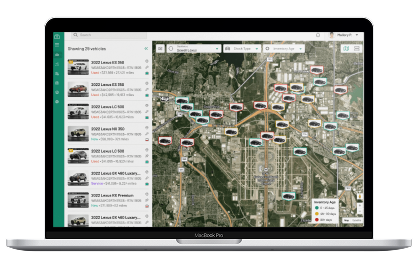
Master your lot. Locate cars and keys effortlessly to accelerate sales, check battery levels, run audit reports, view lot aging, all with no upfront device costs. We only make money when you do.
Ikon Lot Management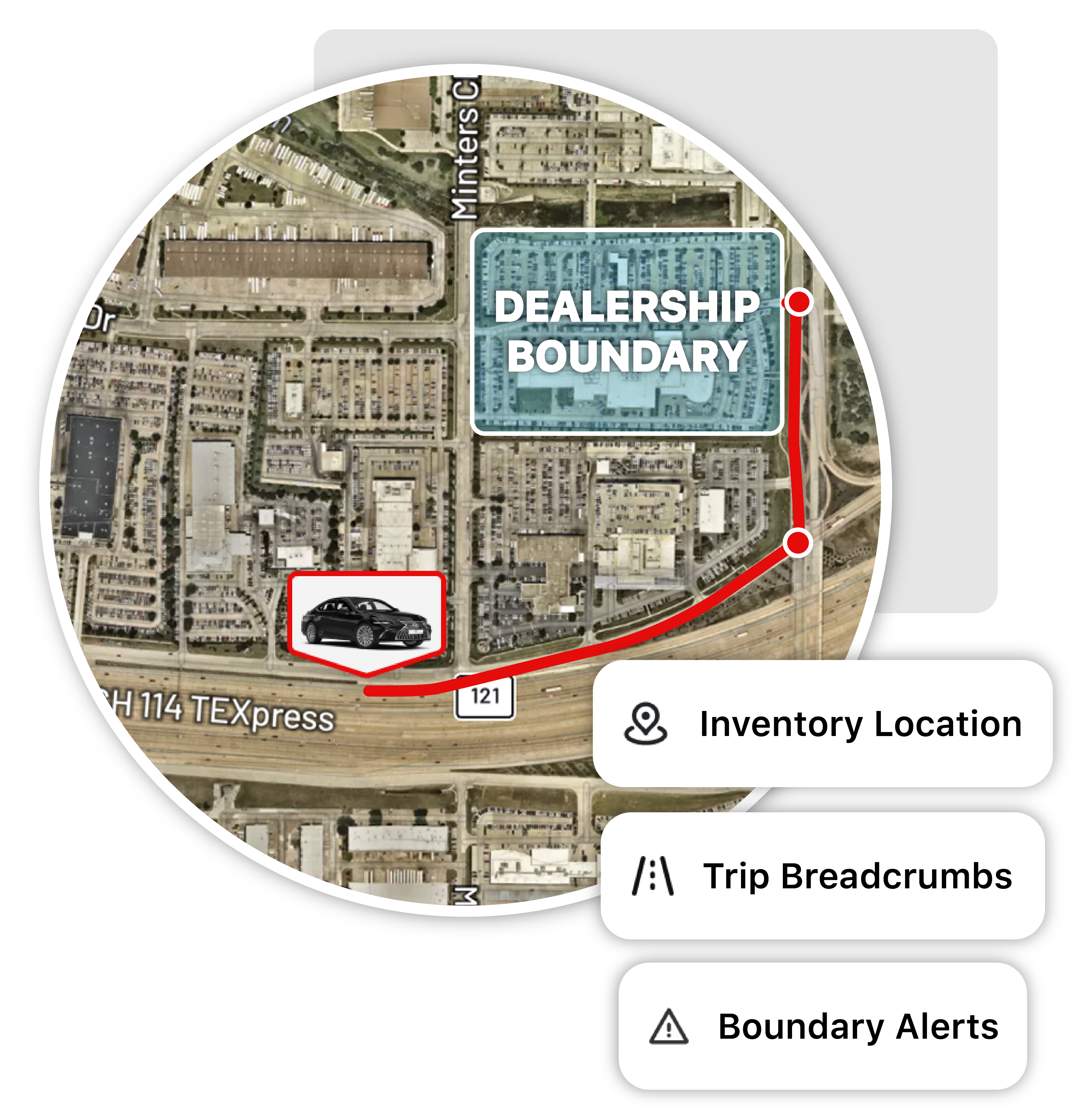
Stop inventory loss with near-real-time GPS tracking designed for rapid recovery. Ikon’s active theft recovery helps you secure your lot and lowers insurance premiums and deductibles.
Ikon Theft Recovery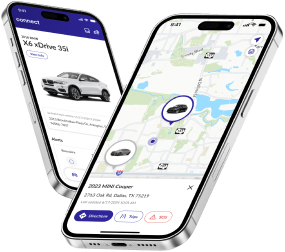
Get an avg. $323 PVR uplift by selling customers peace of mind and theft recovery featuring a $10,000 theft benefit. Your dealer-branded app keeps them connected to you, not the OEM.
Ikon Connected Car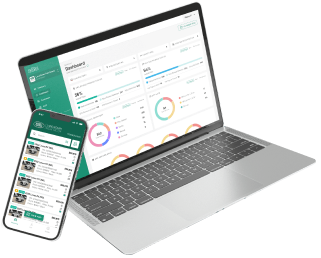
Maximize service retention and increase ROs with our mileage-triggered, automated text campaigns. We text customers at exactly the right time, driving them to your service scheduler.
Ikon Smart Marketing.jpg)






.jpg)