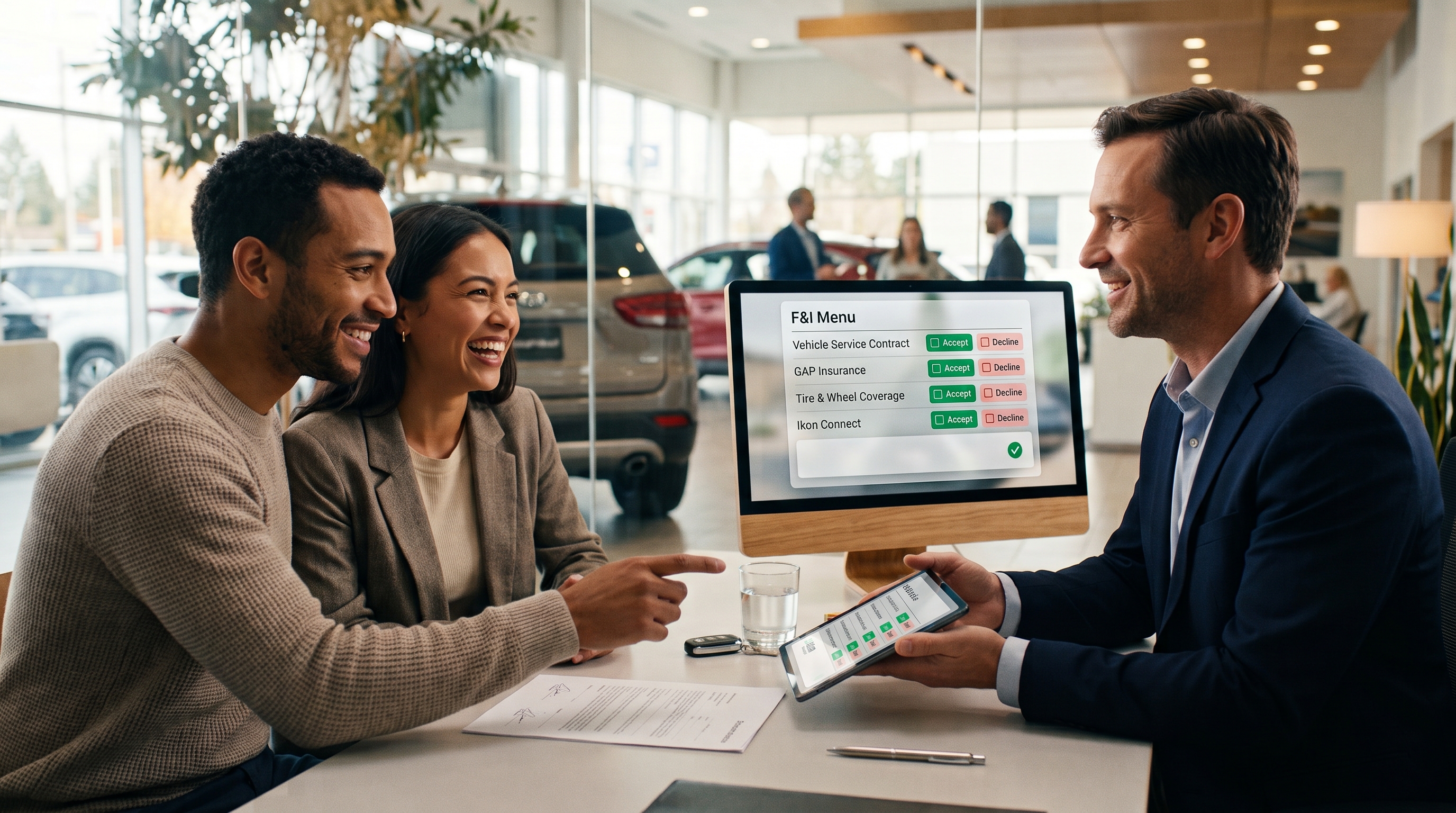
A dealer-ready theft recovery program is more than a dot moving on a screen. The device has to locate the vehicle, a staffed recovery path has to move the case to law enforcement, and the store needs a written trail from discovery through recovery. Anything thinner than that is a tracker, not a program.
The U.S. picture improved last year, but the exposure did not vanish. NICB counted 850,708 stolen vehicles in 2024, a 17 percent decline from 2023, while NHTSA still framed the pace as one theft every 37 seconds.
The pieces below decide whether a stolen unit becomes a clean recovery file or a finger-pointing exercise between the store, the insurer, and the vendor.
Dealership theft recovery should cover both the installed device and the service standing behind it. The hardware helps law enforcement locate the vehicle, and the service tells store staff who opens the case and who owns the updates. NHTSA describes vehicle recovery systems as devices using electronic transmission technology to help police reveal a stolen vehicle's location, which is the starting point, not the finish line.
Around that core, our store SOP needs a few things in writing:
The recovery process should begin with internal confirmation and an immediate call to police. The ETSI stolen-vehicle-tracking model sets the sequence: the owner reports the theft, gets a crime report number, and only then does the provider start polling the in-vehicle unit and liaising with police.
The sales desk first rules out normal lot movement, because the unit may still be with service or out on a test drive. Once theft is suspected, staff call police rather than chase the location themselves. Self-recovery exposes employees to avoidable risk, so the location goes to police, not to the lot porter. Insurer notice follows once the report exists. Recovery timing earns the discipline: roughly a third of recovered vehicles come back the same day they are reported.
Best-in-class Stolen Vehicle Recovery solutions should allow the activation of a "Stolen Mode" in parallel to calling the police. This allows the dealership to hand over a "tracking code" to the law enforcement that enables continuous tracking throughout an active stolen vehicle recovery process. By arming police with the ongoing current location of the vehicle, it makes it far easier to close a theft case than relying on stale third-party information typically provided by OEMs. A hot pursuit requires up-to-the-second data, not a location that is 20 minutes old.
The useful hardware question is not whether the car has a tracker. The useful question is whether the installed unit can get its location out through GPS and cellular service once the vehicle has left the lot. Installed telematics gives the recovery process a fixed vehicle-side source, but the data path matters as much as the antenna, since weak coverage stops the vendor from polling at the moment it counts.
Theft alerts only earn their keep when they shorten the time between movement and the police report. Lot-side visibility is a related but separate workflow, and our piece on finding the car and the keys quickly covers the daily side of that stack. Connectivity limits should be explained before an incident, because last-known location is not active recovery.
A monitored program gives the dealership a recovery contact when the store is closed or the manager is away. Ikon's Customer Support shows the pattern dealers should expect: a 24/7 dedicated call center plus where stolen vehicle recovery can begin before a police report is ever filed.
The dealer should know whether the vendor is staffed every hour or only answering messages between nine and five. The call center verifies the vehicle ownership before sharing active recovery information, and a case owner keeps status notes so the store is not piecing screenshots together after the fact. Dealers should define who is allowed to speak to police on behalf of the dealership before an incident, not during one.
Note: Deductible reimbursement and theft-benefit terms should be read separately from recovery operations. Ikon, for instance, provides up to $10,000 worth of dealer deductible reimbursement for vehicles enrolled in the Ikon Program.
Vendor vetting should turn the sales promise into operational proof. The contract should name the team that answers after hours, the escalation path, and the recovery record the store receives.
Stolen Mode
Authorized dealership staff should be able to invoke Stolen Mode and obtain vehicle location. and a link to share with law enforcement for live tracking.
Location visibility
Whether dealer staff sees live location or only law enforcement does.
Polling frequency
How often the provider requests location from the unit during active recovery.
Status updates
Named owner and timestamps through the police phase.
Recovery record
Format that still makes sense if the unit returns damaged.
Benefit language
Reimbursement terms reviewed separately.
A recovered unit still creates operational risk if the record is thin. The dealership should be able to reconstruct the theft report, the key status, the vehicle contents, and the recovery condition with damage evidence. The NICB Vehicle Theft Investigative Guide sets the baseline most insurers and investigators expect to see.
The theft report should capture VIN information and the last known location before police involvement. Key possession matters because it shapes both the investigation and the insurance discussion. Contents inside the vehicle get recorded early so later disputes do not depend on memory. Recovery photos should be saved when they are available, since condition can change between the recovery scene, the tow yard, and storage. A burned recovery needs the fire report in the file rather than a vague damage note, and the controller has to be able to match the recovery report to the police case and the insurer file.
Theft recovery vendors handle sensitive dealership data because recovery depends on vehicle location and account access. The dealer should treat the vendor as a Safeguards Rule service provider, not a simple hardware supplier. The FTC's auto-dealer Safeguards FAQ sets the floor we have to write into the contract.
Contracts should require reasonable security measures around the location data the vendor processes. Access controls keep recovery-level visibility off the screens of employees who do not need it, encryption covers data in transit and at rest, and multifactor authentication protects every system that can show or request vehicle location. Logging and monitoring give the Qualified Individual the material needed for the annual written report on service-provider arrangements and security events.
The same features that speed recovery also create risk when nobody owns the record. Live location can help police find the vehicle, but the store still has to prove that staff acted safely and that the vendor handled the data properly. A fast recovery without a defensible file is a problem waiting for the first damage claim or insurer question.
Two things tend to get skipped during vendor selection: after-hours staffing and the data-security clauses that turn location visibility into a board-level issue under the Safeguards Rule. Both belong in the conversation before benefit language, because operations failures cost more than a missed reimbursement.
Run a tabletop drill with sales management, accounting, the vendor contact, and whoever handles police reports for the rooftop. Time the path from missing-unit discovery to case number to first vendor update, and write down where it broke.
No. Store staff should report the theft, give the case number to the recovery provider, and let law enforcement handle the physical recovery. Dealers should not to try to locate the vehicle themselves, and the same logic applies to dealership employees who might want to chase a stolen unit on their own.
Treat it as a known limitation, not a vendor surprise. GPS reception and cellular availability both affect whether the provider can pull current location from the in-vehicle unit. The police report and the last known vehicle details still carry weight when live polling fails, which is why the documentation discipline matters before connectivity is tested in anger.
It can, though it should not be sold as the same job. A connected inventory stack often supports lot visibility, key location, battery reports, and audit reports alongside stolen-vehicle recovery. The audit use case mostly helps prevent confusion before a unit is ever treated as stolen, by ruling out simple lot movement quickly.
Documentation comes first, insurance review comes next. Recovery photos, the recovery report, and damage notes give the insurer what is needed to decide between repair and total-loss handling. If the theft claim has already been paid out before the recovery, ownership treatment can shift under the insurance process, which is another reason the file has to be clean.
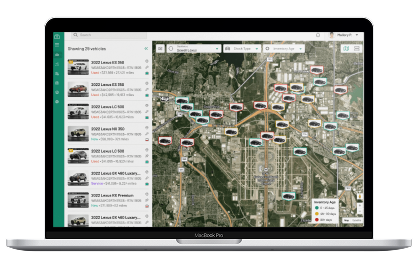
Master your lot. Locate cars and keys effortlessly to accelerate sales, check battery levels, run audit reports, view lot aging, all with no upfront device costs. We only make money when you do.
Ikon Lot Management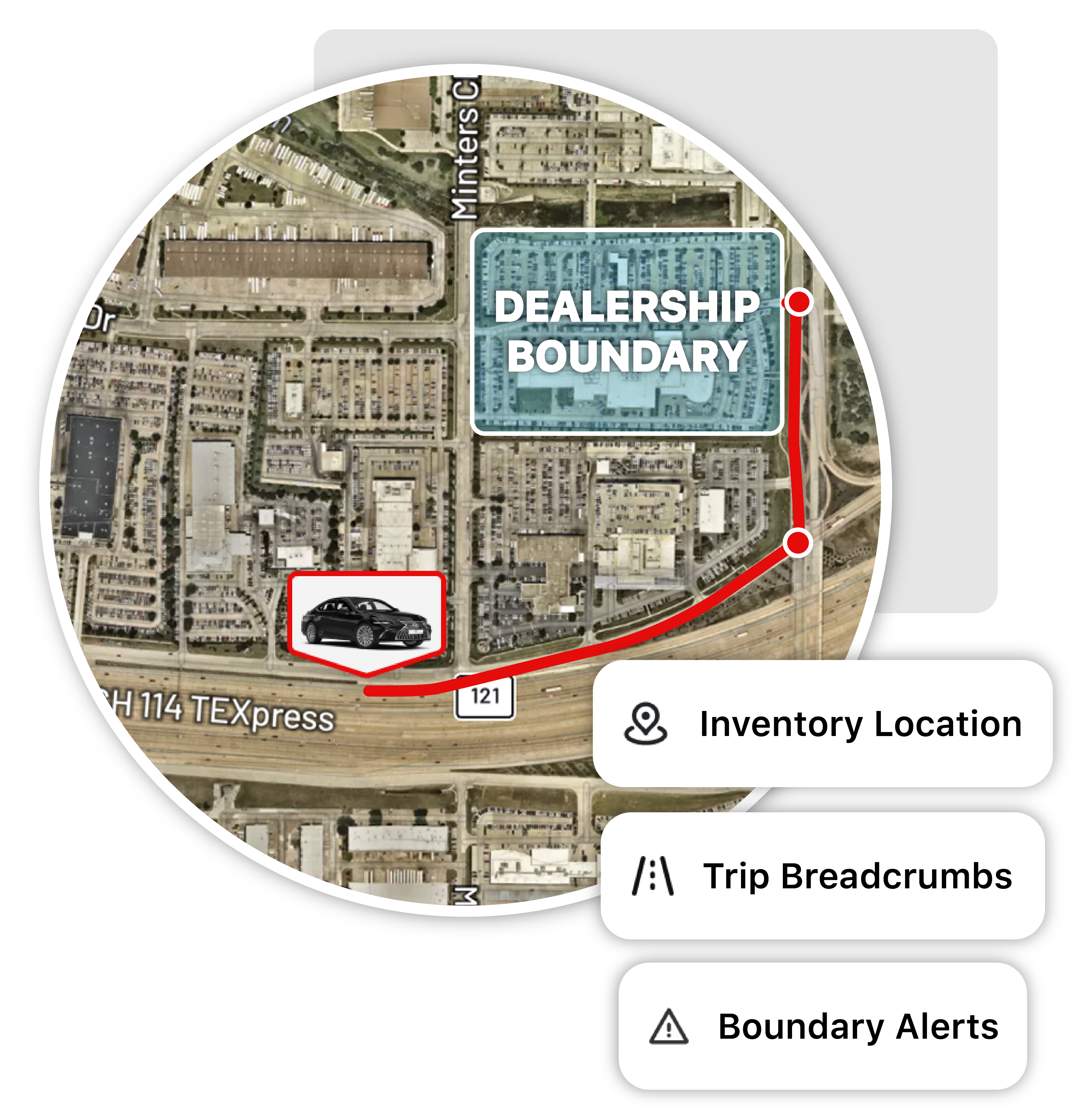
Stop inventory loss with near-real-time GPS tracking designed for rapid recovery. Ikon’s active theft recovery helps you secure your lot and lowers insurance premiums and deductibles.
Ikon Theft Recovery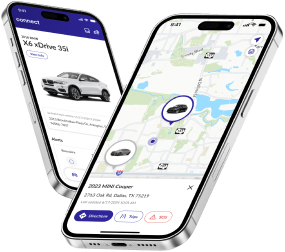
Get an avg. $323 PVR uplift by selling customers peace of mind and theft recovery featuring a $10,000 theft benefit. Your dealer-branded app keeps them connected to you, not the OEM.
Ikon Connected Car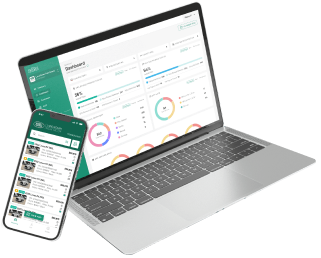
Maximize service retention and increase ROs with our mileage-triggered, automated text campaigns. We text customers at exactly the right time, driving them to your service scheduler.
Ikon Smart Marketing.jpg)



.jpg)