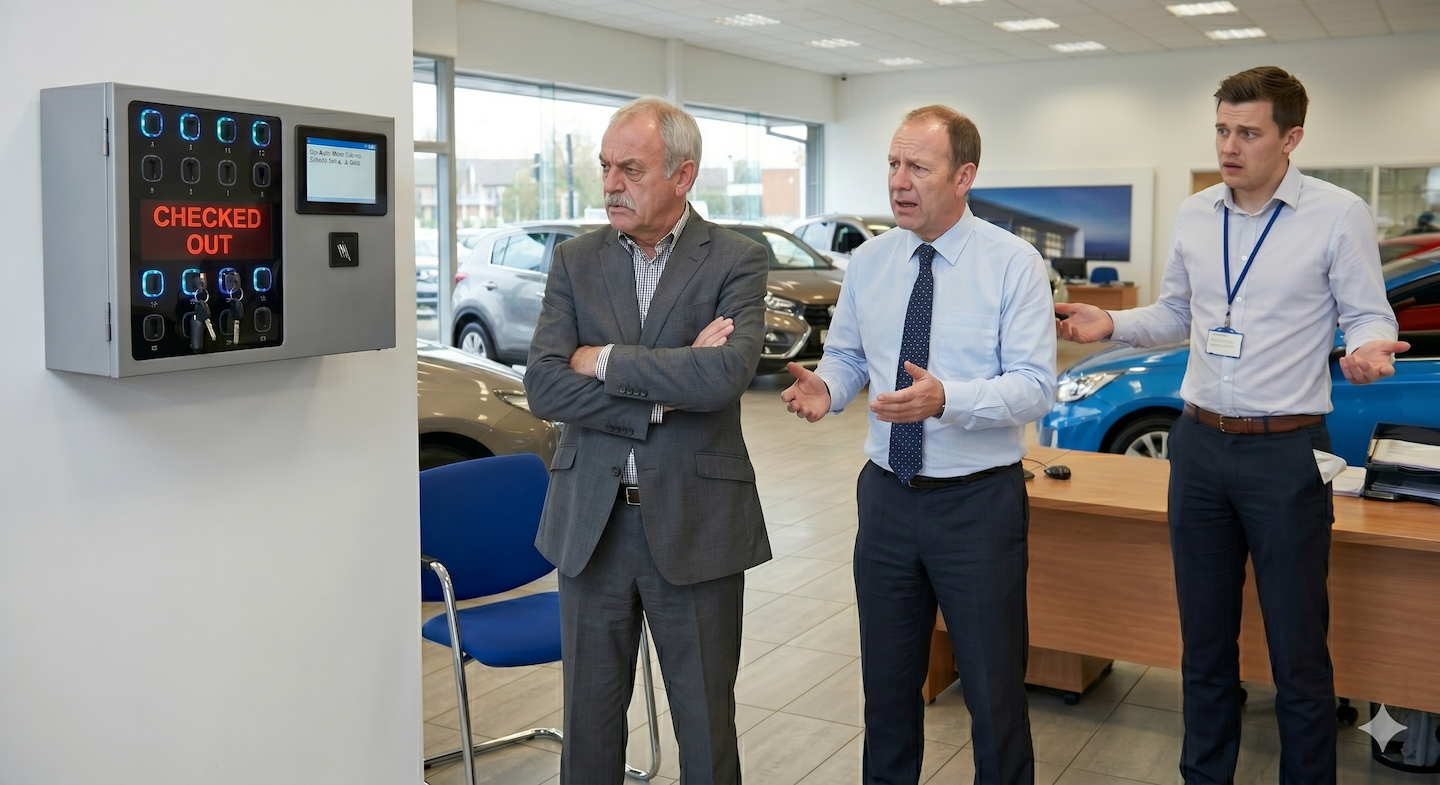
Key management is a core operational function of every modern dealership. The reality is simple: if your team can't find the key, you can't sell or service the car.
Key management is a core operational function of every modern dealership. The reality is simple - if your team can't find the key, you can't sell or service the car.
Many franchise dealerships spend upwards of $50,000 replacing misplaced smart keys and key fobs every single year. According to NADA data, the average new-vehicle retail selling price hovers around $48,205, and with dozens of employees handling these assets daily, key security is your primary line of defense.
When searching for the ultimate dealer key tracking solution, it’s critical to look past simple lockboxes and evaluate how a system drives efficiency, accountability, and sales velocity. Below is a comprehensive guide on what to look for when choosing a dealer key tracking system, and how legacy cabinets compare to modern, real-time tracking solutions.
For years, the industry relied entirely on stationary, electronic key cabinets. While these systems track who checked out a key, they fail to solve the actual problem of what happens once that key leaves the cabinet.
To bridge the gap between digital logs and physical reality, forward-thinking dealers pair traditional check-out cabinets with real-time location tracking.
Before you schedule another vendor demo, anchor your team's evaluation around these four high-impact operational pillars:
A secure tracking system must force accountability into your daily workflow. Every physical key pull must tie an individual employee to a specific vehicle record with a concrete timestamp and return deadline.
Traditional systems only tell you the "who" (who took the key). Modern real-time key tracking tells you the "where."
When a sales representative or service writer is with a customer, they can't afford to waste time tracking down a co-worker who forgot to return a key. With Bluetooth-enabled key tags (like the Ikon Key Finder) and a network of lot-wide gateways, staff can pinpoint a key’s exact physical location on a digital map in seconds.
A key tracking system shouldn't operate in a silo. Look for a platform that integrates directly with your Dealership Management System (DMS).
When key custody data automatically reconciles with active customer records, open repair orders (ROs), and inventory lists, you eliminate double-entry errors. This connectivity accelerates your reconditioning (recon) pipeline, converting acquired trade-ins to front-line-ready status days faster.
Keys and cars go hand-in-hand. The best systems pair key location data with vehicle telematics.
A lost modern smart key doesn't just cost $200 to $800 in replacement and reprogramming fees - it also causes stalled customer appointments, delayed deliveries, and frustrated sales staff.
A recent study by CDK Global revealed that 55% of car shoppers felt they waited too long during the test drive process. Finding the vehicle and key instantly shaves an average of 15 minutes off every single sale. Multiply that across your monthly sales volume, and the operational hours reclaimed are staggering.
Rather than walking dealership rows with paper clipboards, an advanced dealer key tracking system with integrated GPS and Bluetooth allows managers to run floor plan audits with 100% accuracy, cutting audit preparation times by up to 56%.
The best systems for multi-lot or franchise operations use scalable cloud architecture paired with Bluetooth and GPS gateways. This allows you to track keys and vehicles seamlessly as they move between main showrooms, service bays, detail shops, and remote overflow lots - all managed from a single centralized dashboard.
Depending on the size of the dealership, lost key fobs can cost anywhere from $10,000 to over $50,000 annually in direct replacement and reprogramming fees. This does not account for the indirect costs of lost deals, stalled reconditioning pipelines, or wasted employee labor spent searching the lot.
Yes. By enforcing strict biometric or PIN-based checkout procedures, you prevent unauthorized key access. Real-time geofencing and active Bluetooth key monitoring send immediate alerts to management if a key or vehicle is moved after hours, enabling rapid recovery and law enforcement intervention.
Stop letting misplaced keys stall your sales velocity and drain your profits. Transition from basic lockboxes to an intelligent, real-time key and asset tracking system built specifically by dealers, for dealers.
[Schedule a 10-Minute Demo with Ikon Technologies Today] and see how our "Find the Car, Find the Keys™" system can revolutionize your lot operations.
Master your lot. Locate cars and keys effortlessly to accelerate sales, check battery levels, run audit reports, view lot aging, all with no upfront device costs. We only make money when you do.
Ikon Lot Management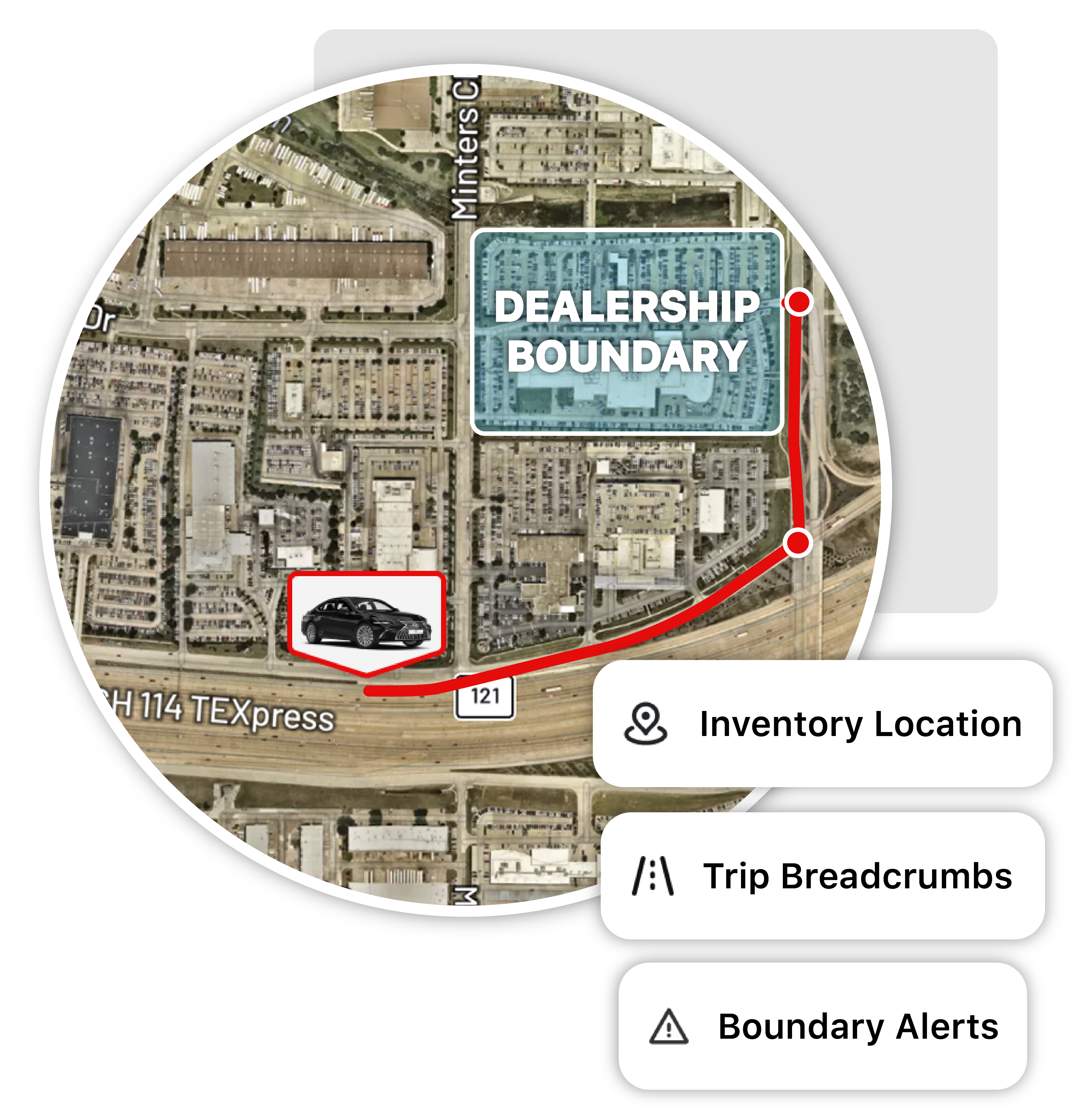
Stop inventory loss with near-real-time GPS tracking designed for rapid recovery. Ikon’s active theft recovery helps you secure your lot and lowers insurance premiums and deductibles.
Ikon Theft Recovery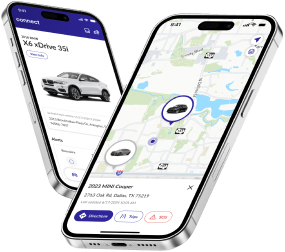
Get an avg. $323 PVR uplift by selling customers peace of mind and theft recovery featuring a $10,000 theft benefit. Your dealer-branded app keeps them connected to you, not the OEM.
Ikon Connected Car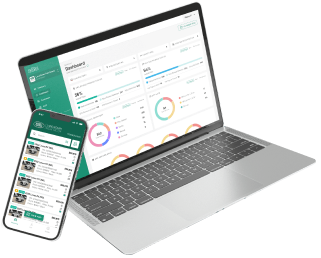
Maximize service retention and increase ROs with our mileage-triggered, automated text campaigns. We text customers at exactly the right time, driving them to your service scheduler.
Ikon Smart Marketing.jpg)



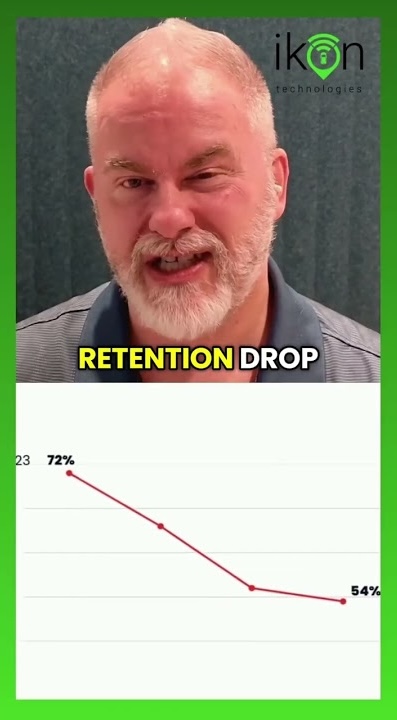


.jpg)