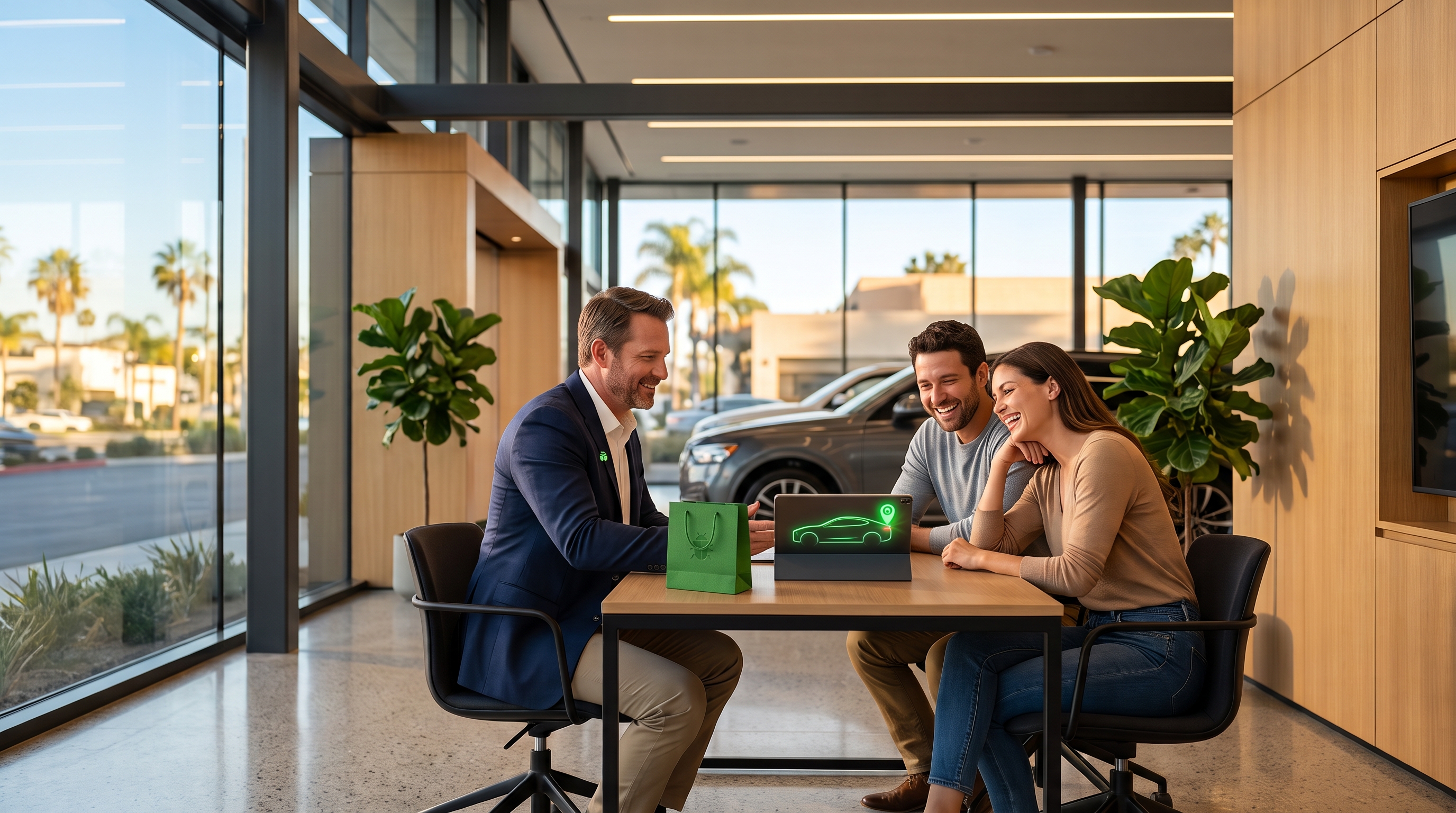
Dealer-branded service reminders work when live mileage or vehicle-health signals fire outreach under the store's name, so the customer sees the dealership before the scheduling click.
For franchise automotive dealerships, the service drive represents the foundation of dealership profitability and lifetime customer value. However, the numbers across retail automotive tell a sobering story: after the manufacturer warranty expires, dealerships lose up to 70% of their service customers to third - party independent repair shops, aftermarket chains, and quick - lube franchises. This customer leakage strips service bays of high - margin customer - pay repair orders and directly undermines showroom repurchase rates.
When a customer defects from your service drive, the damage extends well beyond missed oil changes and tire rotations. Dealership retention data confirms that a customer who consistently services their vehicle at your store is 74% more likely to purchase their next vehicle from you. Retaining service customers is not merely a fixed operations objective; it is a dealership - wide imperative that secures sales loyalty and protects departmental ROI and retention.
~70%
Post - Warranty Defection
32.7%
Telematics Response Rate
74%
Higher Vehicle Repurchase
The issue is rarely vehicle quality or technician expertise. The breakdown occurs in communication. Dealerships routinely rely on outdated, calendar - based cadence models that push notifications at arbitrary intervals rather than when maintenance is genuinely due.
Why Calendar - Based Service Notifications Underperform
Traditional dealership CRM outreach relies on static calendar intervals: sending a postcard, email, or text alert every 3, 5, or 6 months based on an assumed 12,000 to 15,000 annual driving average. In the real world, driving habits vary wildly. A telecommuting driver may log only 5,000 miles a year, while a rideshare or regional sales driver might accumulate 25,000 miles in that same timeframe.
When a customer receives a service notification saying, "Your 30,000 - mile maintenance is due," but their odometer reads 24,000 miles, the alert is dismissed as marketing spam. Even worse, if the high - mileage driver receives an alert after they have already driven 35,000 miles, they have likely already visited a convenient aftermarket quick - lube chain to address the maintenance icon on their dash.
Generic service reminders teach customers to tune out dealership messaging. Transitioning from calendar estimations to accurate, real - time telemetry transforms communications from unsolicited advertising into actionable, trusted vehicle support via comprehensive automotive service retention workflows.
Legacy Approach
Static Calendar Reminders
Guesses intervals using arbitrary 3 to 6 month intervals
Generates alert fatigue when mileage estimates miss the mark
Prompts calls to phone queues or static form fills
Enables independent shops to poach overdue drivers
Modern Connected Platform
Real - Time Telematics Triggers
Syncs with exact factory intervals using live odometer data
Builds customer trust with relevant, pinpoint notifications
Enables instant 1 - touch booking inside branded mobile apps
Locks in consistent bay traffic and customer - pay gross
The Connected Car Advantage: Real - Time Odometer Precision
Dealerships running modern connected car platforms eliminate calendar guesswork entirely. Telematics hardware plugged into the vehicle's onboard diagnostic port reads live mileage, tracking exact distance without requiring the driver to manually report anything.
When a vehicle crosses specific factory service milestones (such as 5,000, 10,000, or 30,000 miles), an automated notification is instantly triggered. Because the alert reflects the vehicle's exact dash reading, it carries immediate relevance and authority. Telematics - driven maintenance triggers achieve response rates as high as 32.7%—far outperforming traditional CRM emails and broad postal mailings.
Delivering notifications matched to real driving behavior establishes the dealership as a proactive digital caretaker, elevating the overall driver experience and vehicle connectivity.
Dealer Pulse
What is the biggest operational hurdle to increasing your service department's RO count?
Pick the one you run into most 👇
Why Dealer Branding Outperforms Third - Party Platforms
Precision timing is only half the equation; the identity delivering the notification matters just as much. When dealerships outsource connected car or telematics programs to consumer brands, the alerts often arrive under the vendor's banner. While this might notify the driver of maintenance, it does little to reinforce dealer equity.
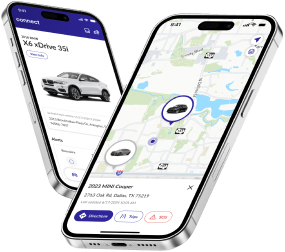
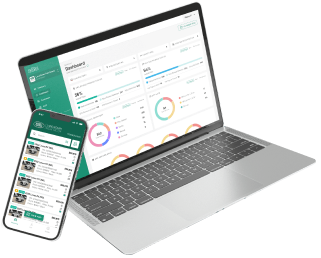
White - labeled, dealer - branded applications place your dealership logo, name, and service contact front and center on the driver's smartphone. Every trip update, low - battery alert, or mileage milestone serves as an organic brand touchpoint. By keeping your store in the driver's pocket, you ensure that when service is needed, your bays remain the path of least resistance.
Frictionless In - App Scheduling: Closing the Booking Gap
Generating interest through an accurate reminder means little if the scheduling experience creates friction. If an owner opens a notification and is instructed to call a busy service department during business hours or navigate an unoptimized web portal, conversion rates drop dramatically.
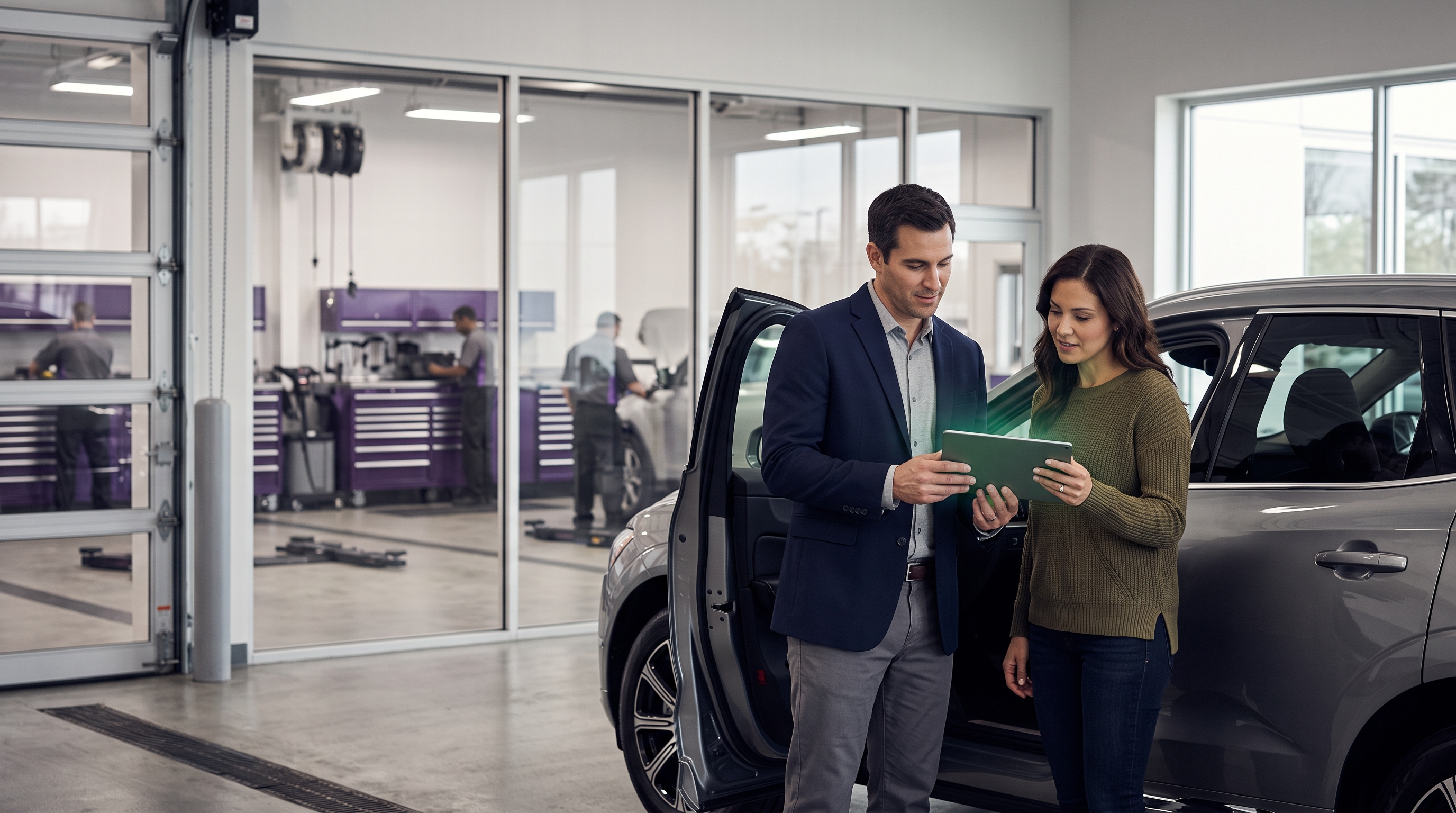
Modern dealer - branded mobile solutions embed direct scheduling within the alert itself. Drivers receive a push notification indicating their 10,000 - mile service is due, tap the alert, and select an open bay time directly on their screen within seconds. Integrating mobile scheduling with accurate mileage triggers transforms connected car data into a scalable pipeline for telematics growth and fixed ops gross.
Key Takeaways for Fixed Operations Leadership
1
Ditch Calendar Assumptions
Move away from rigid 90 - day email drip campaigns and adopt dynamic telematics triggers tied to live odometer readings.
2
Own the Digital Real Estate
Ensure every maintenance communication carries your dealership's branding rather than generic third - party vendor identity.
3
Eliminate Booking Friction
Give drivers the ability to confirm bay appointments with a single tap directly inside your branded mobile environment.
4
Protect Lifetime Customer Value
Understand that every retained service customer actively protects future showroom vehicle sales.
Want to dig deeper into Ikon's potential for your dealership?
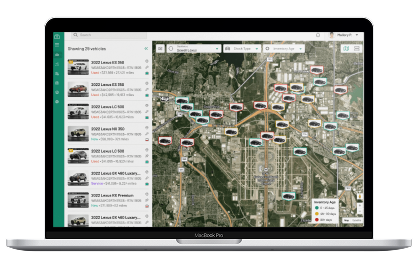
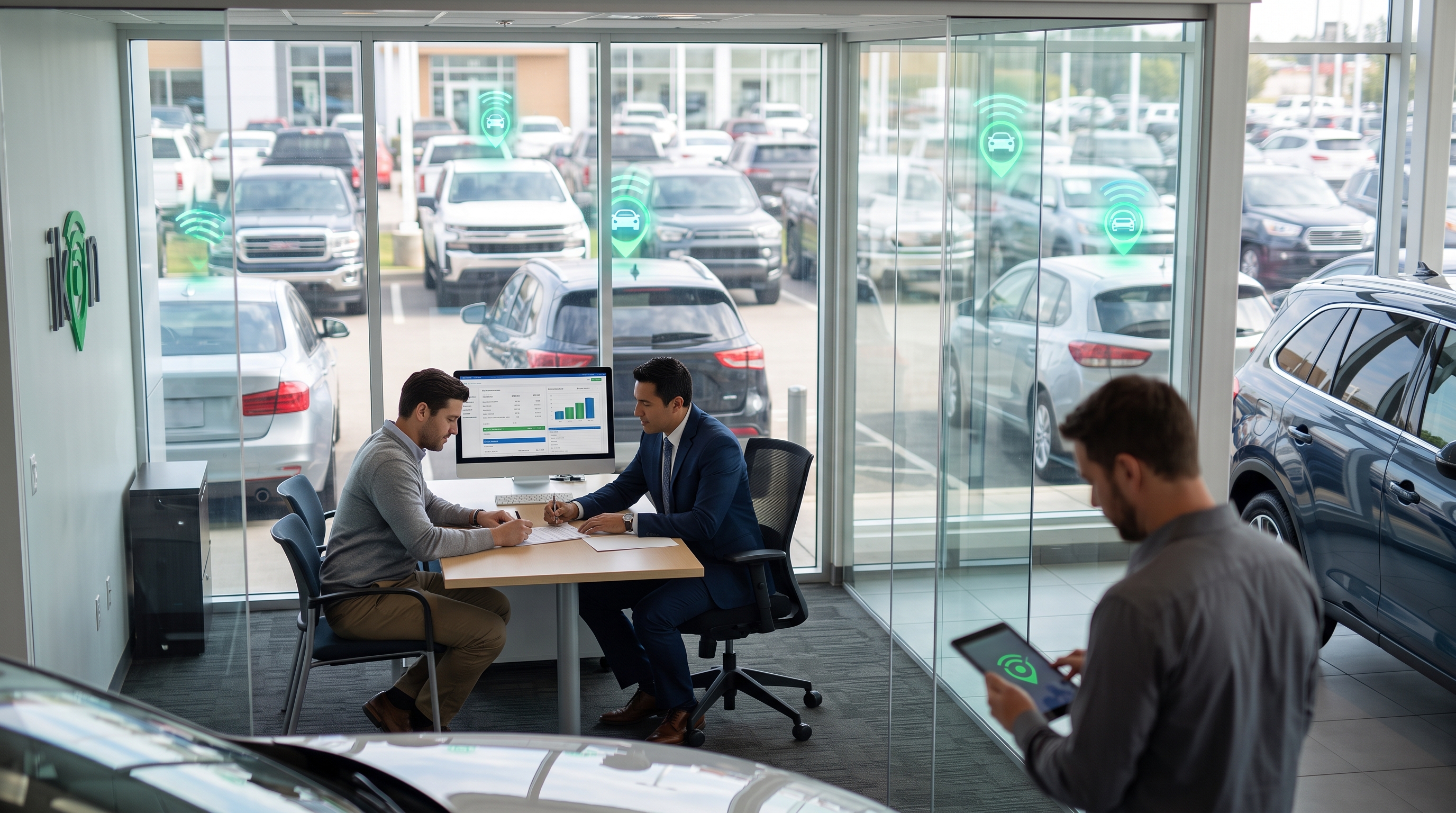
100% Visibility of Cars & Keys, Always Be Appointment Ready
Master your lot. Locate cars and keys effortlessly to accelerate sales, check battery levels, run audit reports, view lot aging, all with no upfront device costs. We only make money when you do.
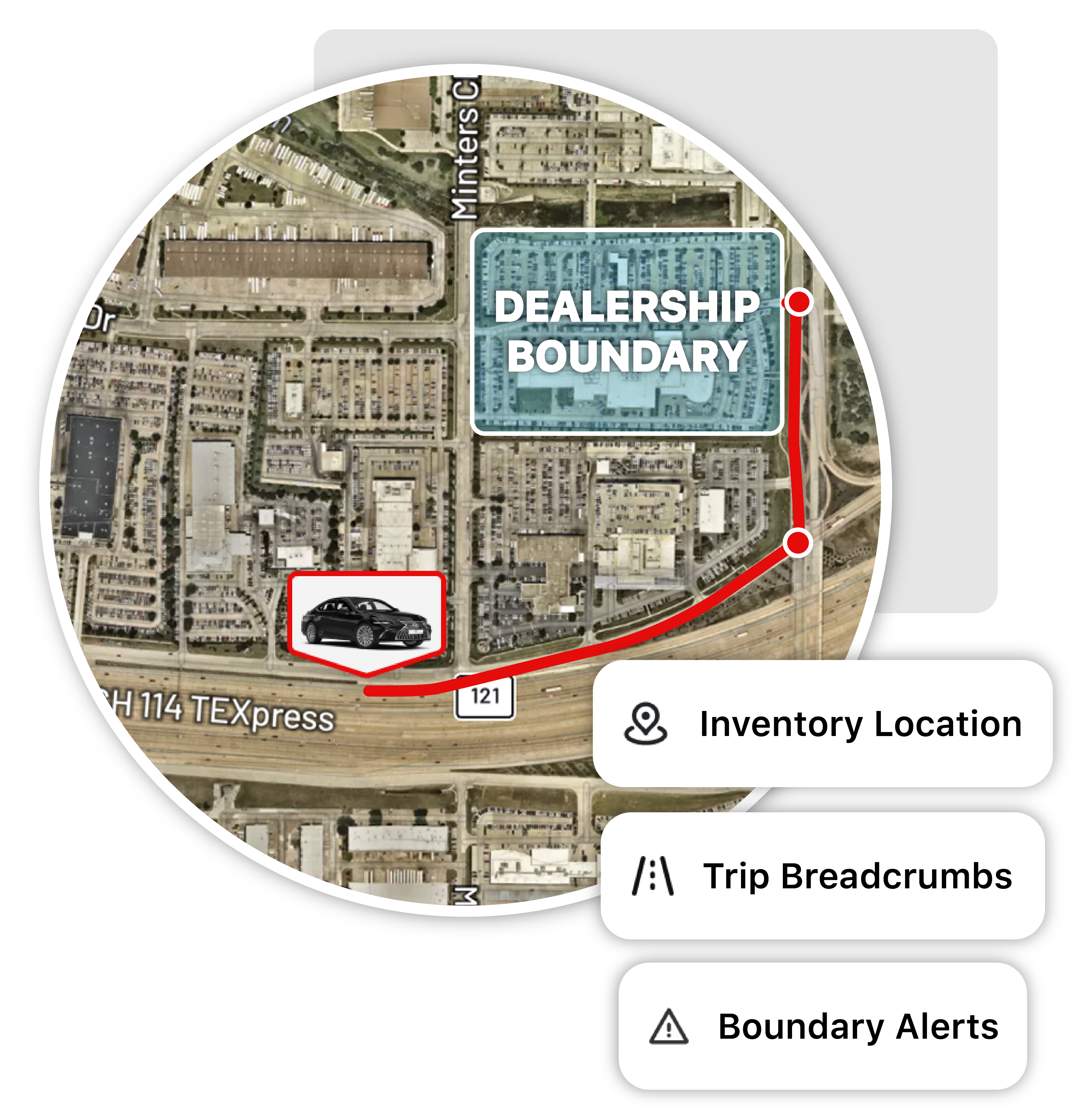
Inventory Protection that Gets Stolen Cars Back Fast & Reduces Insurance Costs
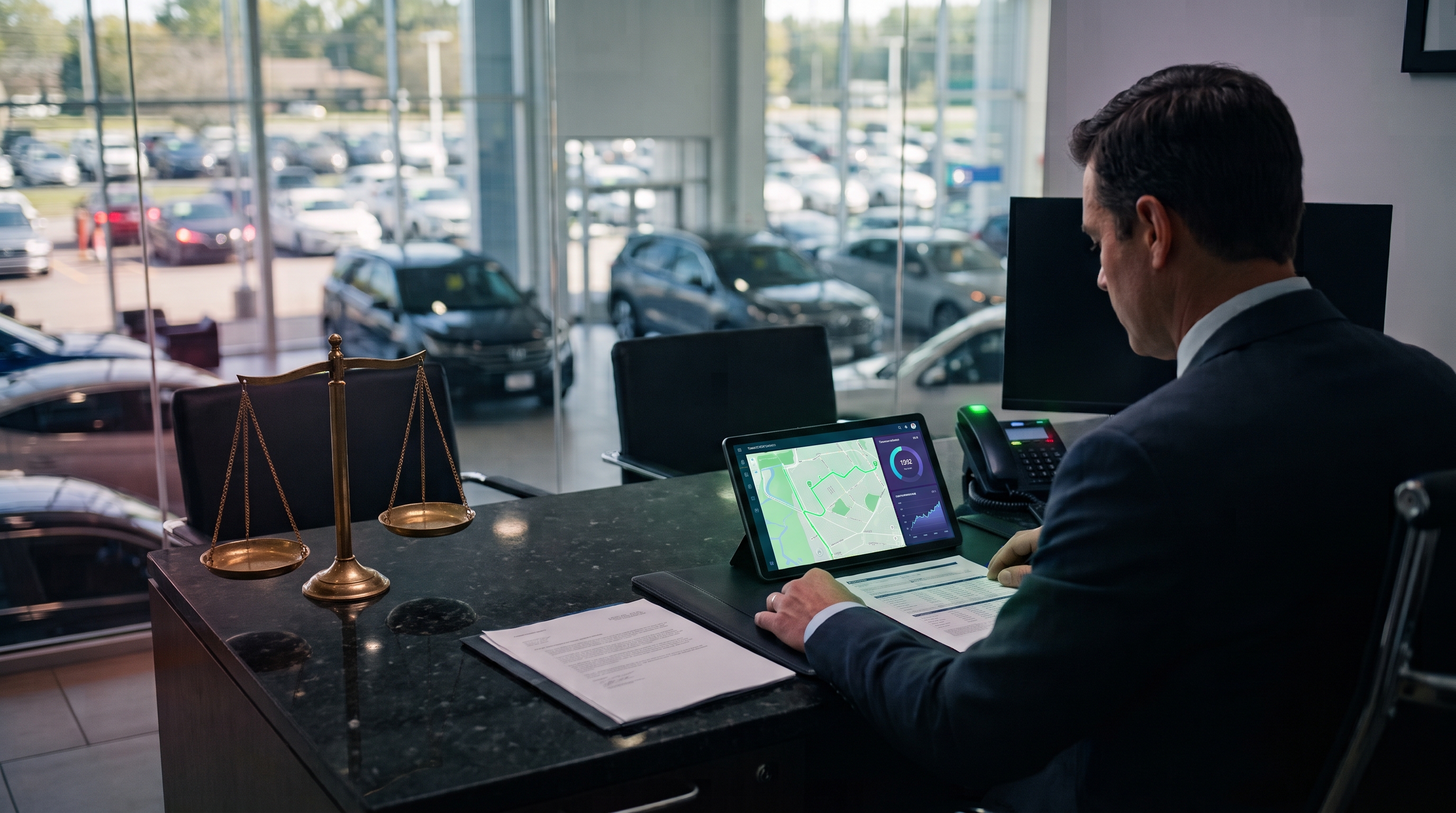
Stop inventory loss with near-real-time GPS tracking designed for rapid recovery. Ikon’s active theft recovery helps you secure your lot and lowers insurance premiums and deductibles.
A Lucrative F&I Product for You and An App & Benefit With Real Value for Them
Get an avg. $323 PVR uplift by selling customers peace of mind and theft recovery featuring a $10,000 theft benefit. Your dealer-branded app keeps them connected to you, not the OEM.
Service Retention on Steroids, Keep Them Coming Back
Maximize service retention and increase ROs with our mileage-triggered, automated text campaigns. We text customers at exactly the right time, driving them to your service scheduler.


.jpg)


.jpg)