Connected car technology for dealerships done correctly turns vehicle signals into store workflows, not just owner-facing app screens.
The retail value starts on the lot, continues through theft response, and becomes durable when service outreach uses the same data the store already collects. A useful system gives the dealership live signals while the dealer - not the OEM - continues to own the branded follow-up path.
The stakes have moved past convenience because owners now expect app-based interaction with the vehicle. If we have no branded workflow, the OEM app owns the post-sale habit by default. The real question is who acts on the signal and who owns the next customer touch.
The bullets below name the operational tension that runs through this piece: a vehicle ping is only as valuable as the store role assigned to act on it.
For a franchise store, a connected car is a vehicle that can send and receive data through onboard telecom equipment. The retail point is not the modem itself, it is a store-owned workflow that converts a signal into either a staff action or a customer touch. NADA's plain-language framing anchors the definition in two-way data flow, which is exactly the part that matters for retail operations.
That data flow has to connect to inventory control before delivery and to customer engagement after delivery, otherwise it sits idle. The sovereignty issue shows up the moment an OEM app becomes the only place an owner sees vehicle alerts. A dealer-owned path gives us a branded channel for service reminders and ownership support. The app alone does not produce retention. Retention shows up when staff action and dealer-branded messages follow the vehicle signal.
The useful data is modest and operational, not exotic. Location tells staff where a unit is sitting. Mileage tells service teams when an owner is approaching a maintenance window. Recall lookup data lets us turn public safety information into outreach with a real reason to call.
Treat each signal as a trigger for one named action. A number on a dashboard that nobody owns is not data, it is decoration.
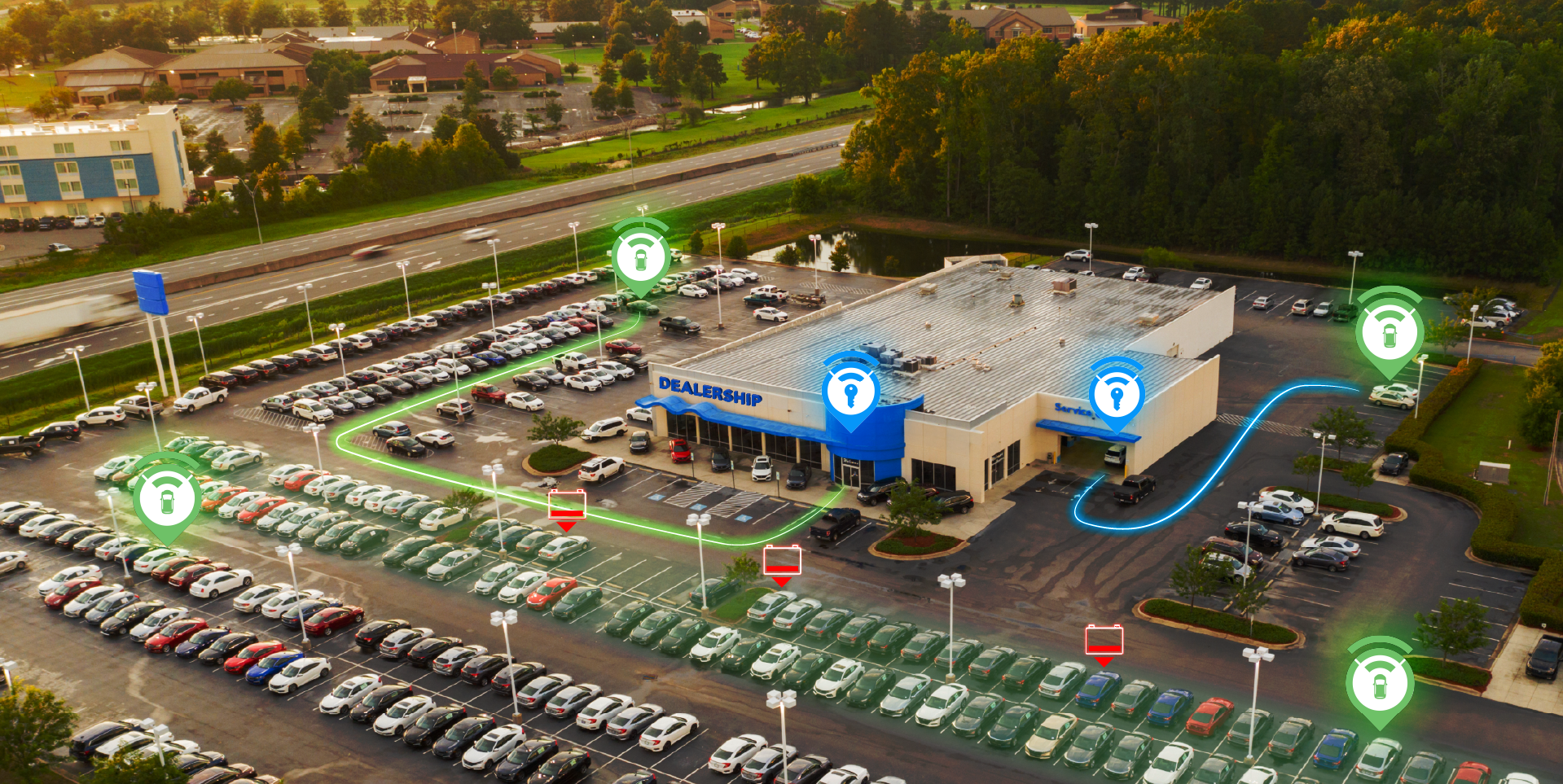
Connected-car value starts well before the deal is closed. Sales staff find a vehicle faster when location is visible inside the same tool they already use, and managers spot unauthorized movement when geofences are part of the daily lot routine instead of a dormant feature. Our coverage of finding the car and the keys at the same time walks through how that retrieval step plays out on a real lot.
Battery readiness is the unglamorous part that protects deals. A dead unit turns a sales appointment into a delay, and the customer remembers the wait more than the model. Lot audits get more reliable when staff verify actual unit positions against inventory records, and aging units become easier to review when status sits inside the same workflow. The overlap with live lot management is real because both solve the same store problem before the customer ever sees it.
A connected device is not a theft plan by itself. It becomes useful when the store receives movement alerts and can share location with the recovery process quickly. For dealers, the differentiator is response time, not tracker ownership.
U.S. vehicle thefts fell 17 percent in 2024, and the absolute number is still large enough to matter for inventory risk. Alerts matter most after hours, when no sales manager is watching the row in real time. Geofencing produces a cleaner trigger when a unit leaves a permitted zone, but the trigger only helps if a named role owns the next step. A notification with no handoff still wastes the first minutes, which are the minutes that decide whether the unit comes back. Any theft benefit attached to a program should be checked against eligibility terms because coverage often depends on working devices being present across the inventory.
Context: NICB's 2023 annual report logged 309,593 vehicle recoveries that year, which underscores that recovery is a workflow involving law enforcement, not a feature that lives only inside an app.
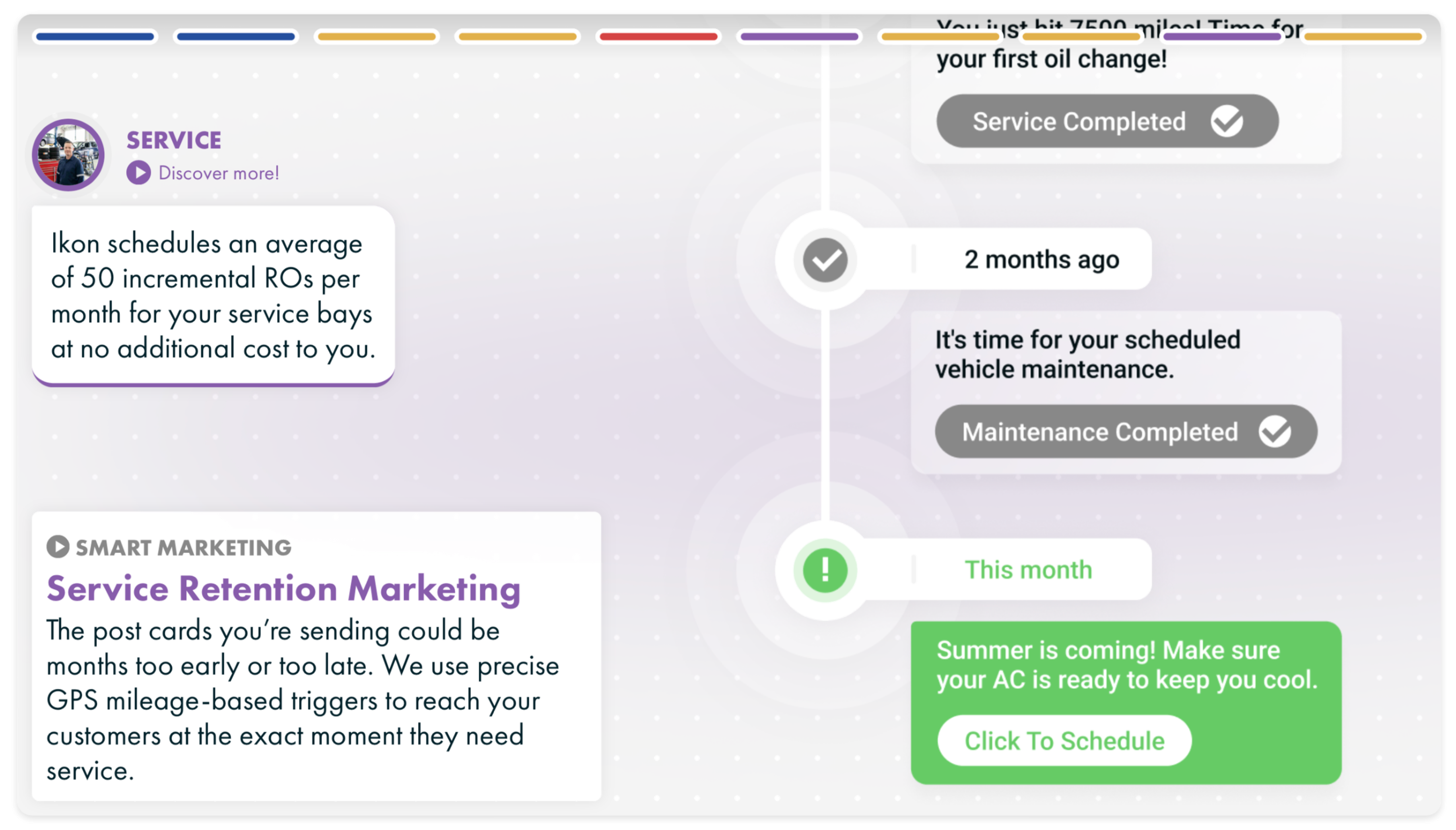
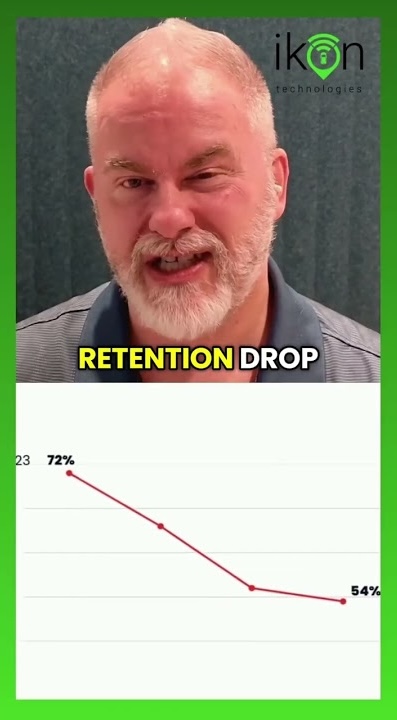
Fixed-ops retention improves when outreach is tied to a real vehicle signal instead of a calendar guess. Mileage and vehicle age let us contact the owner when service feels relevant, and recall checks give the store another reason to reach out with a useful message rather than a generic one.
Cox Automotive's ownership research found 80 percent of owners rate mileage- or age-based service reminders as helpful, and 79 percent say the same about text updates on upcoming or scheduled service. That supports a plain workflow where connected mileage triggers a reminder and staff follow with appointment help. Recall outreach runs on a different trigger because the prompt comes from a VIN lookup rather than a wear signal, and NHTSA reported more than 29 million vehicles recalled in 2024, so recall status deserves a routine check. Dealer sovereignty matters here because the owner should associate the useful reminder with the store that can actually book the repair.
The buying test is simpler than most vendor decks suggest. Ask whether the system creates a usable trigger, ask which staff role owns the next action, then check whether the customer touchpoint carries our brand instead of someone else's.
The same vehicle ping carries different meanings depending on timing. Sales reads it before delivery, service reads it after delivery, and risk teams read it when the unit moves the wrong way. The ownership question is less about raw data and more about who is allowed to respond first.
A short pilot should measure vehicle retrieval time before app features expand, and one signal should be allowed to feed both a lot task before sale and a service task after sale. Vendor ROI claims belong against our own baseline, not against a glossy chart.
Start with one workflow map for location alerts and mileage reminders, and name the staff owner for each signal before comparing devices or apps. The map is the contract that decides whether the technology earns its place.
Yes. The practical default is VIN-based recall checking rather than waiting for an owner to ask. NHTSA publishes recall datasets and APIs that support this lookup, and 2024 recall volume passed 29 million vehicles, which is more than enough to justify a routine check inside the service workflow.
Not as the only customer path. OEM apps may deliver vehicle features tied to the manufacturer, but a dealer-owned workflow keeps service reminders and support tied to the selling store. The defensible claim is control of the touchpoint, not proven retention superiority, since independent comparative evidence on that question is limited.
The default workflow should be a geofence alert routed to a named role on call. The store then verifies whether the movement is authorized and starts the theft-response handoff when it is not. The device only earns its keep when that handoff has been rehearsed before the first real incident.
Usually no, not as a full replacement. The overlap is heavy because live location helps staff find units and supports audits. The dealership still needs inventory records that connect each unit to pricing, key control, and sales status, and those records sit alongside the connected-car layer rather than inside it.
A few seconds is the working default. JD Power found 46 percent of EV app users call 3 to 5 seconds the longest acceptable delay for remote commands, while many Tesla users expect 1 to 2 seconds. Anything noticeably slower erodes perceived value and reduces how often owners actually open the app.
Start with customer information itself. The FTC Safeguards Rule makes dealers responsible for protecting customer data, and the same standard applies to vendors that touch the connected-car workflow. A platform should define access rights, retention periods, and vendor obligations before any live vehicle data flows into store systems.

.jpg)


.jpg)