Selling aftermarket protection products in California has entered a new regulatory era with the California CARS Act.
With the passage of Senate Bill 766 - the California Combating Auto Retail Scams (CARS) Act - franchised and independent dealerships face strict, state-mandated standards on how F&I products are disclosed, marketed, and contracted.
Taking effect on October 1, 2026, the California CARS Act codifies transparency mandates across digital advertising, desking, and F&I presentation. For valuable aftermarket products like Stolen Vehicle Recovery (SVR) and connected telematics, the law does not eliminate the sale of add-ons. Instead, it eliminates outdated, opaque sales tactics like forced pre-loads and payment packing.
Dealers can remain compliant while maintaining strong F&I penetration by understanding the rules and adjusting their sales process.
The California CARS Act targets deceptive sales practices by establishing clear boundaries around what dealers can charge for and how those charges are presented to buyers.
Mandatory "Optional" Disclosures: In any written representation or sales negotiation where an add-on product is discussed, the dealer must clearly and conspicuously disclose in writing that the product is optional and that the customer can purchase or lease the vehicle without it.
The "Actual Benefit" Standard: Dealers are prohibited from charging for any add-on that provides no actual or measurable benefit to the buyer. For example, charging for oil changes on an electric vehicle or selling products that duplicate existing factory coverage without added protection violates this provision.
Total Price Transparency: Advertised vehicle prices and first written communications (such as internet lead responses) must reflect the true vehicle price. Pre-installed accessories cannot be used to surprise buyers with mandatory fees upon showroom arrival. They must be included in the advertised price.
Two-Year Record Retention: Dealerships must retain written documentation demonstrating that the customer was advised of the optional nature of add-on products and actively chose to purchase them.
One of the sharpest teeth in the California CARS Act is the ban on products that offer no tangible benefit. Regulatory agencies scrutinize whether an aftermarket tracking device duplicates standard factory telematics.
To satisfy the benefit standard, the presentation of your SVR solution should clearly distinguish its standalone capabilities from OEM systems:
Direct Recovery vs. App Tracking: OEM apps are designed for driver convenience (finding a parking spot or remote start), not dedicated recovery. Modern SVR solutions provide dedicated 24/7 recovery desks that coordinate live telemetry directly with local law enforcement.
Tamper Alerts and Backup Power: Highlight that aftermarket SVR features an internal backup battery and disconnected-power alerts. If a thief cuts the vehicle's primary battery, factory telematics typically go dark, whereas dedicated SVR continues to broadcast.
Financial Protection and Deductible Reimbursement: Many SVR packages like Ikon include lucrative benefits like insurance deductible reimbursement or replacement allowances if a stolen vehicle is unrecovered. This provides a direct financial backstop that factory software does not deliver.
Historically, many stores pre-installed GPS devices across inventory and treated the dealer addendum as non-negotiable. Under the California CARS Act, telling a customer they "must" pay for a pre-installed tracking system because the hardware is already in the vehicle is a direct compliance violation.
The modern playbook relies on clear operational separation:
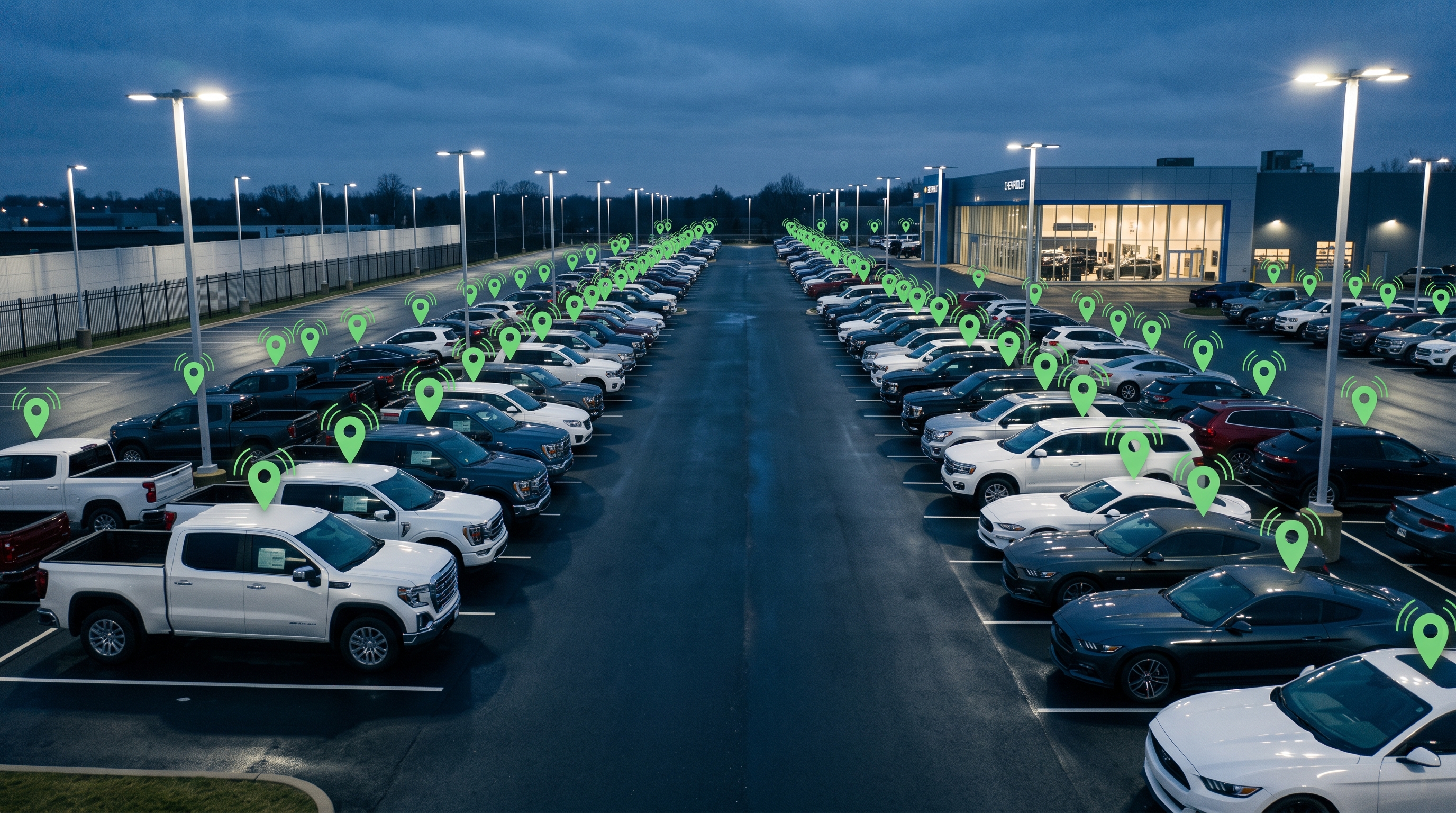
Lot Management as Internal Cost: Use the hardware on the lot for inventory control, battery monitoring, and floorplan audits without billing it as a mandatory consumer charge.
The Consumer Activation Choice: Present the retail subscription and consumer security features in F&I as an optional, high-value upgrade.
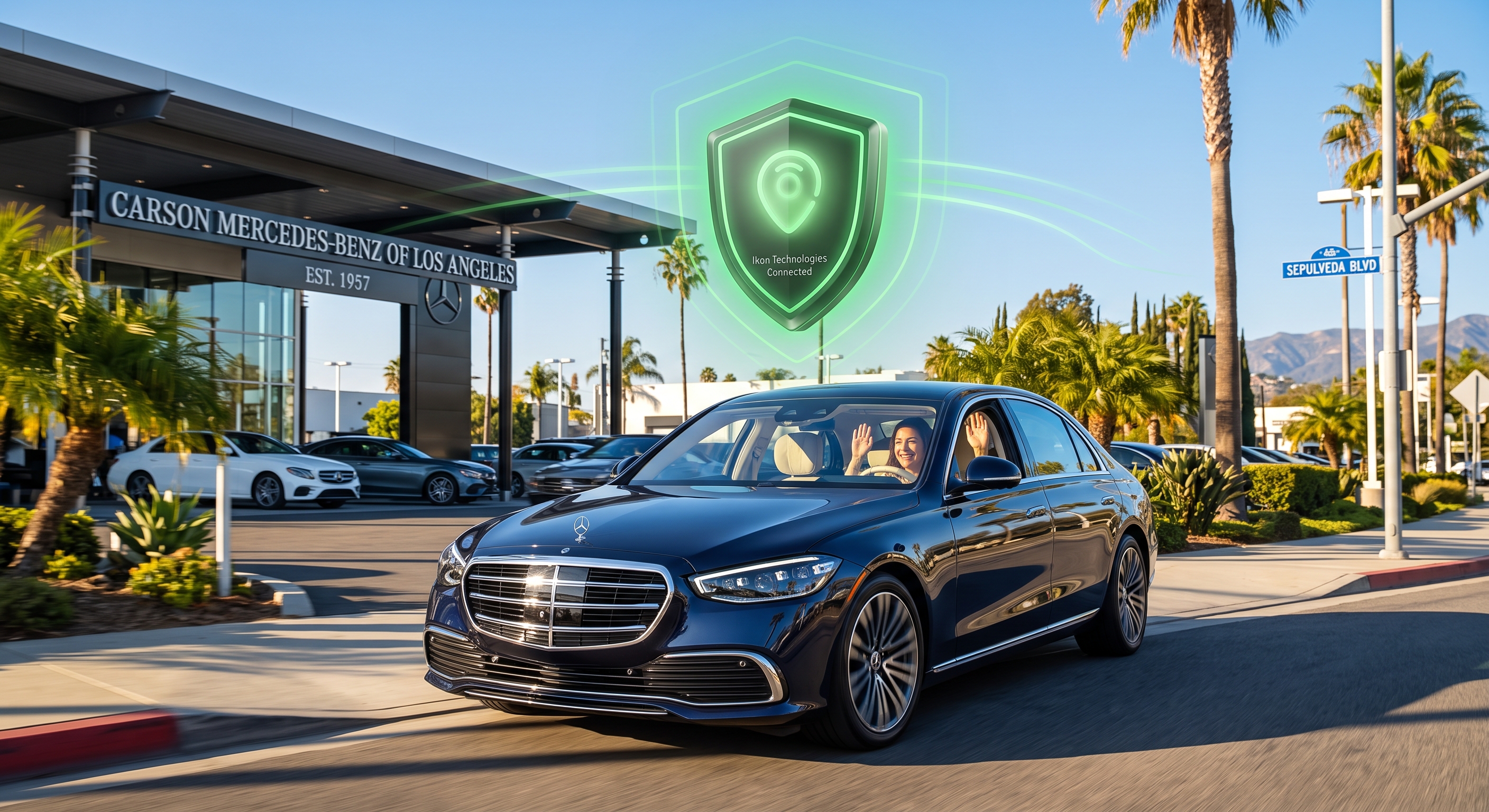
Frictionless Deactivation or Free Benefit: If the buyer declines the retail package, the dealer simply keeps the hardware dormant or uses it solely for store-level asset protection, honoring the customer's choice without altering the agreed vehicle price. Ikon offers a complimentary 6-month service period to every customer with up to a $1000 deductible benefit so every new owner that drives off the lot is protected., even if they don't purchase the product.
Compliance does not mean hiding the product; it means presenting it with clear, documented consent.
Use a Standardized Menu: Present Stolen Vehicle Recovery on an itemized F&I menu that clearly displays the cash price, the impact on monthly payment (if financed), and the separate, standalone nature of the product.
Written Affirmative Consent: Never roll an SVR product into a payment calculation without first showing the customer the base payment. Obtain a signed, written acknowledgment stating the customer understands the product is optional and agrees to purchase it.
Audit Digital Lead Workflows: Ensure internet sales teams do not quote monthly payments over email or SMS that sneak the cost of an SVR package into the total without identifying the add-on and its optional status.
The California CARS Act sets a high standard for transparency, but dealerships that sell legitimate, high-performing telematics products have nothing to fear. When an SVR platform delivers active theft recovery, insurance savings, and real-time security that goes beyond standard OEM software, it stands on its own merits.
By eliminating deceptive sales tactics, training desking teams, and locking down written disclosures, your store can protect its F&I revenue while staying ahead of state regulators.
.jpg)
.jpg)
32%+ average service reminder response rate. 74% higher chance that a service customer will buy their next vehicle from you.
Watch the Webinar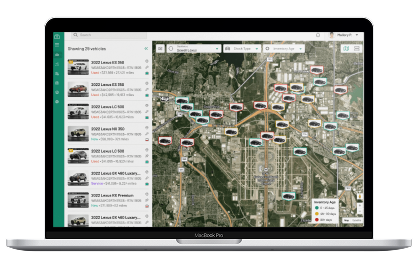
Master your lot. Locate cars and keys effortlessly to accelerate sales, check battery levels, run audit reports, view lot aging, all with no upfront device costs. We only make money when you do.
Ikon Lot Management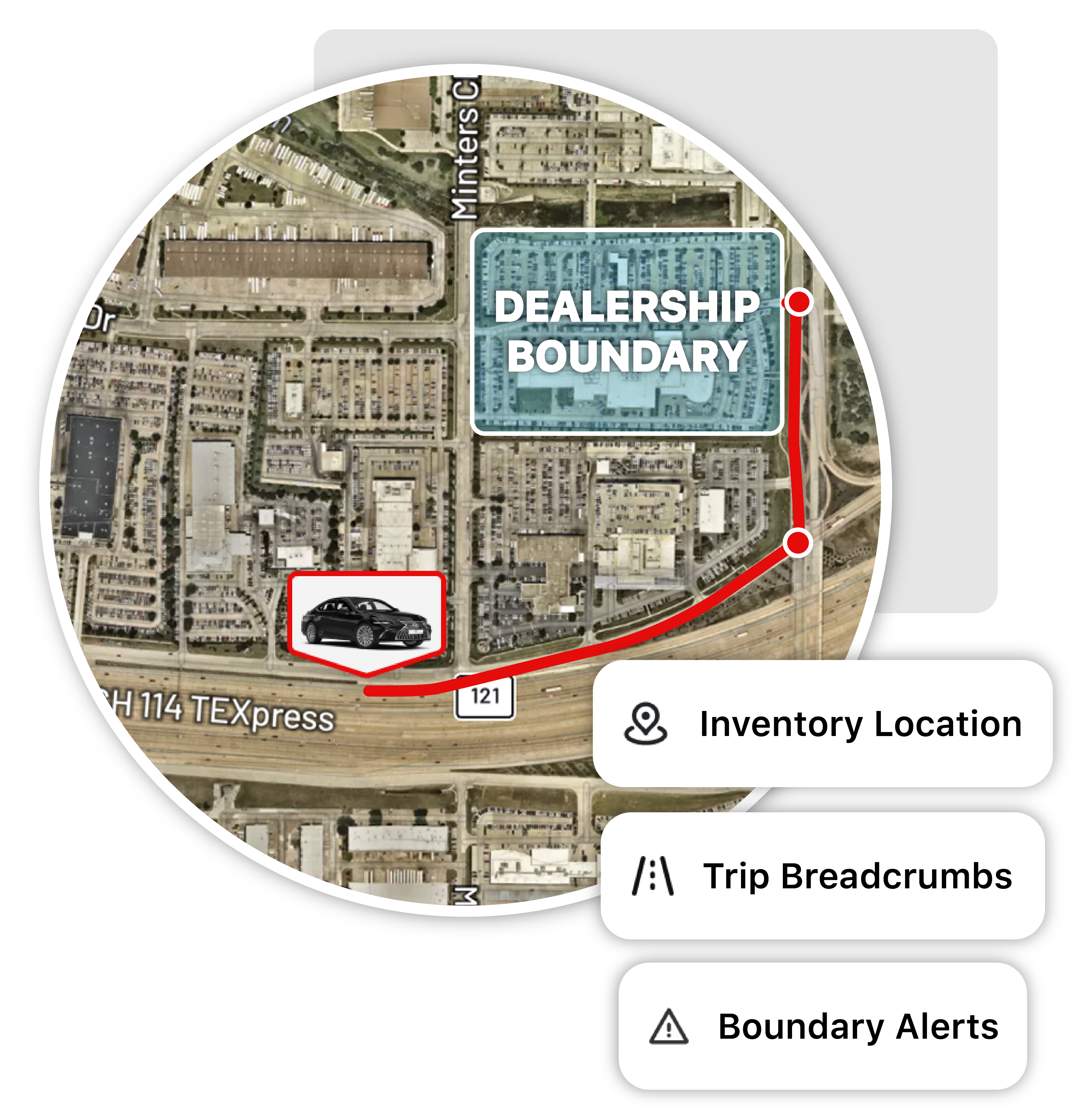
Stop inventory loss with near-real-time GPS tracking designed for rapid recovery. Ikon’s active theft recovery helps you secure your lot and lowers insurance premiums and deductibles.
Ikon Theft Recovery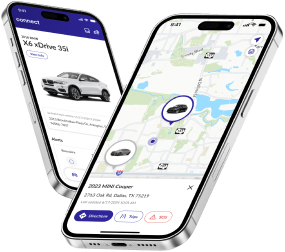
Get an avg. $323 PVR uplift by selling customers peace of mind and theft recovery featuring a $10,000 theft benefit. Your dealer-branded app keeps them connected to you, not the OEM.
Ikon Connected Car
Maximize service retention and increase ROs with our mileage-triggered, automated text campaigns. We text customers at exactly the right time, driving them to your service scheduler.
Ikon Smart Marketing.jpg)
.jpg)
.jpg)
.jpg)