The Ikon Blog
Standardization vs. Redundancy: Why Factory OEM Stolen Vehicle Recovery Alone Won’t Protect Dealer Lots

A fair question dealership principals and general managers ask all the time: If a modern thief knows enough to bypass electronic immobilizers and drive off the lot, don’t they know exactly how to disable the vehicle’s tracker?
When it comes to factory-installed OEM telematics, the reality is straightforward: yes, they usually do.
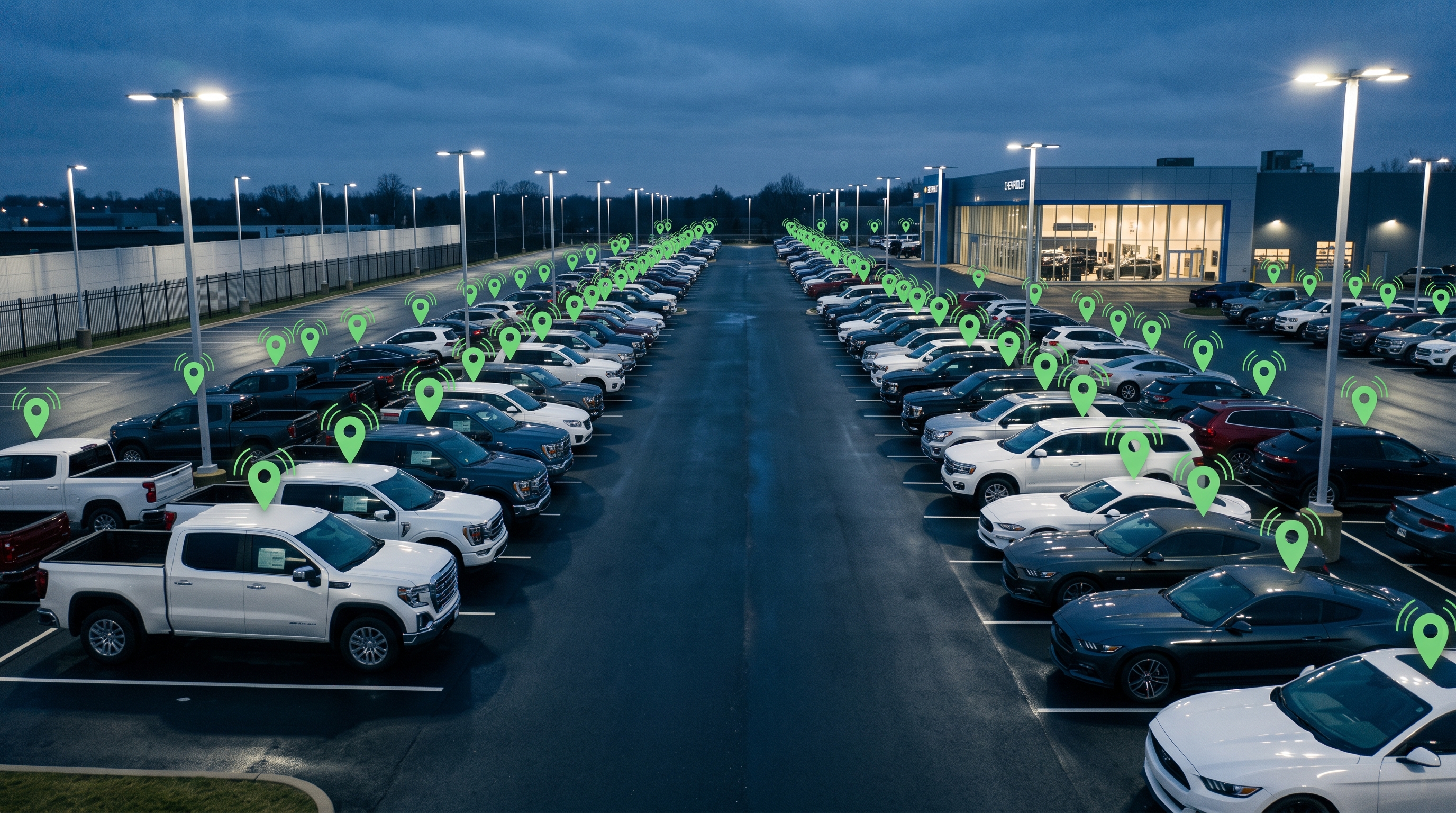
For automotive retailers managing millions of dollars in floor plan inventory, relying entirely on factory stolen vehicle recovery (SVR) creates a dangerous false sense of security. OEM telematics and secondary, dedicated recovery systems serve fundamentally different purposes. To protect high-value inventory against organized auto theft rings, dealerships must move beyond single-point factory protection and embrace a layered security architecture.
Standardization is an engineering triumph for automotive assembly lines. It streamlines manufacturing, simplifies repairs, and reduces production costs across millions of units.
However, in asset security, standardization is a liability.
Because factory telematics are identical across an entire production run, their design is essentially open source to criminal enterprises:
Predictable Architecture: The antenna placement, fuse layouts, and wiring harness routings do not change from one VIN to the next within a model line.
Standardized Cheat Sheets: Professional theft crews do not guess where components live. They operate with standardized guides, bypass plugs, and specialized tools tailored directly to factory hardware.
The 12V Dependency: In most standard factory setups, cutting the main 12V battery cable or pulling a single identifiable fuse instantly cuts power to the OEM telematics module, causing the system to go dark in seconds.
When a criminal syndicate targets a lot, their workflow is built entirely around factory assembly blueprints. If your inventory relies exclusively on OEM hardware, their timeline remains completely intact.
Secondary, dealer-installed SVR systems do not replace factory telematics - they complement them by eliminating predictable attack vectors. Layering a dedicated platform like Ikon over OEM infrastructure introduces three critical defensive advantages:
Unlike factory modules that sit in the exact same location in every vehicle rolling off the line, secondary devices do not follow a public blueprint. Placement variations make it impossible for a crew to pop a single standardized trim piece and sever the connection in a 30-second window.
Sophisticated auto thieves routinely sever the primary vehicle battery immediately after gaining access. While standard OEM telematics fail the instant main power drops, a robust secondary device draws continuous power from the vehicle while maintaining its own dedicated internal battery backup. If the main power line is severed or tampered with, the system triggers an immediate alert and continues transmitting live location coordinates.
Redundancy breaks criminal efficiency. A theft ring’s entire operational model depends on speed: breach the vehicle, disable the factory tracker using mapped steps, and transport the asset to a cooling location or shipping container before dispatch mobilizes. The moment they realize an unmapped, secondary device is still relaying live location telemetry directly to law enforcement, their timeline completely collapses.
Banking strictly on built-in OEM recovery is a high-stakes gamble with your inventory. Factory systems are designed primarily for connected-car convenience, driver infotainment, and routine remote diagnostics - not to outmaneuver organized criminal rings equipped with targeted bypass kits.
No single security system is invincible - anyone claiming absolute invulnerability is selling fairy tales. But design choices determine operational outcomes.
Standardization helps car manufacturers build at scale. Redundancy protects dealerships from catastrophic loss.
By deploying secondary SVR across your lot, you close the visibility gaps inherent in factory setups, protect your floor plan margins, and ensure that your inventory remains secure no matter how prepared a theft crew thinks they are.
Learn more about how Ikon Technologies delivers layered lot protection and rapid stolen vehicle recovery. Click below to watch our webinar.
.jpg)
.jpg)
32%+ average service reminder response rate. 74% higher chance that a service customer will buy their next vehicle from you.
Watch the Webinar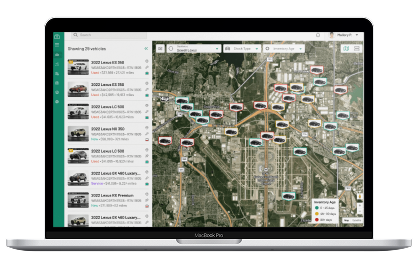
Master your lot. Locate cars and keys effortlessly to accelerate sales, check battery levels, run audit reports, view lot aging, all with no upfront device costs. We only make money when you do.
Ikon Lot Management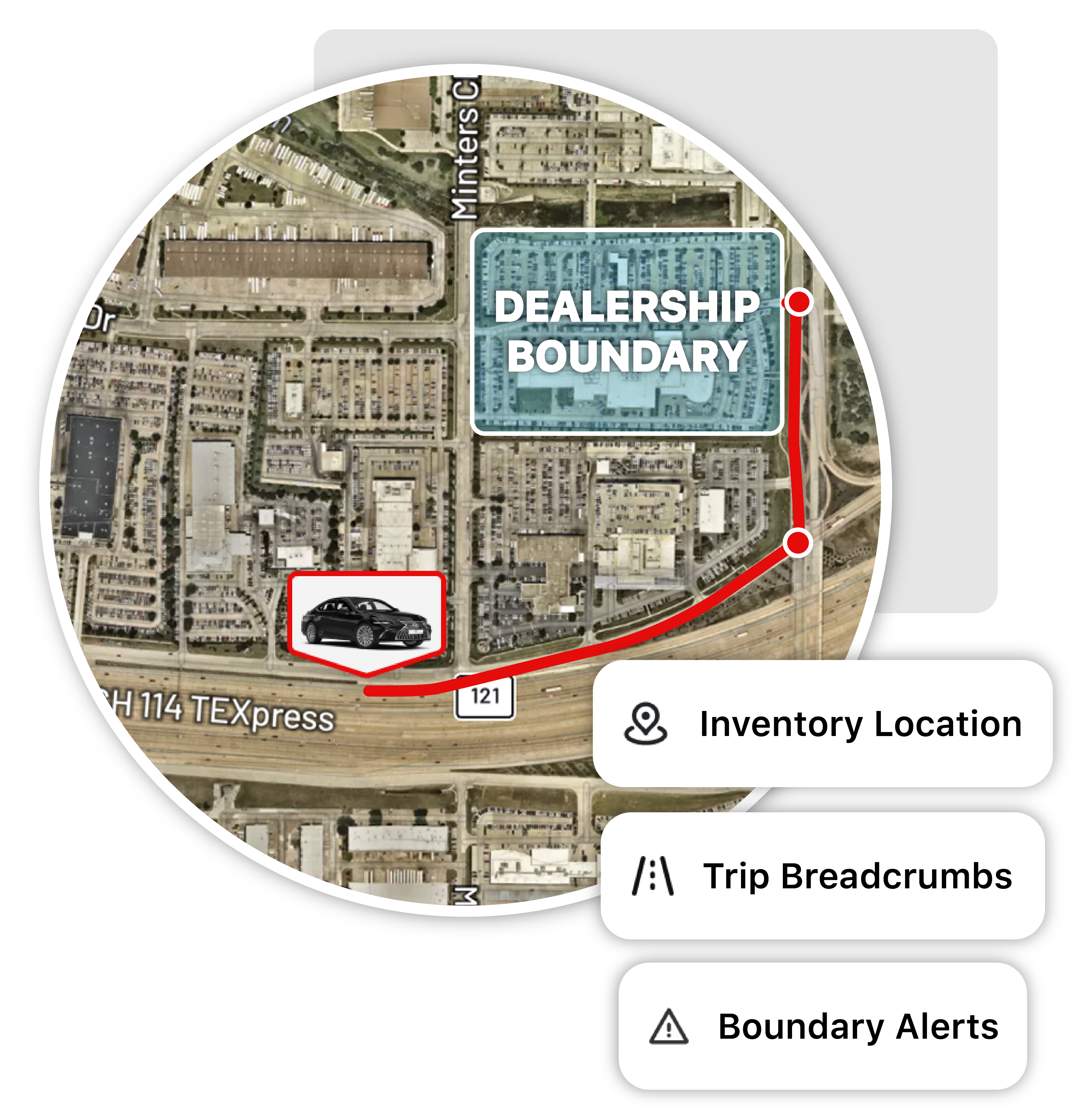
Stop inventory loss with near-real-time GPS tracking designed for rapid recovery. Ikon’s active theft recovery helps you secure your lot and lowers insurance premiums and deductibles.
Ikon Theft Recovery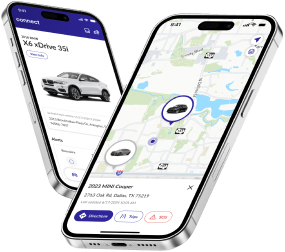
Get an avg. $323 PVR uplift by selling customers peace of mind and theft recovery featuring a $10,000 theft benefit. Your dealer-branded app keeps them connected to you, not the OEM.
Ikon Connected Car
Maximize service retention and increase ROs with our mileage-triggered, automated text campaigns. We text customers at exactly the right time, driving them to your service scheduler.
Ikon Smart Marketing.jpg)
.jpg)
.jpg)
.jpg)