The Ikon Blog
The F&I Strategic Guide to Stolen Vehicle Recovery: Maximizing Comprehensive Insurance Savings, Consumer ROI, and Regulatory Compliance
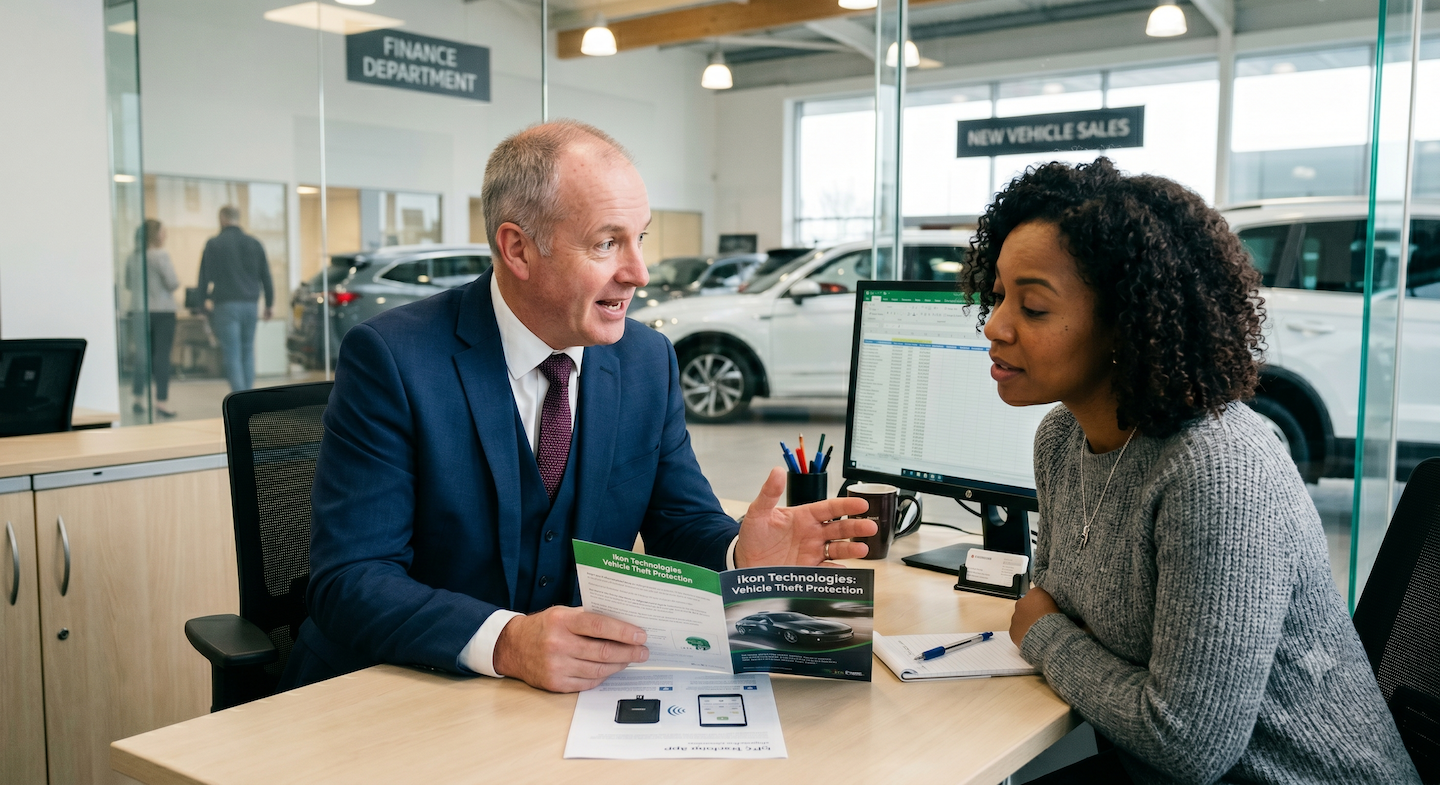
In the highly competitive automotive retail sector, dealership Finance and Insurance (F&I) departments must transition from traditional, transactional product sales to consultative, value-driven solutions.
The modern automotive landscape presents dual challenges: car thefts continue to occur at alarming rates, while vehicle insurance premiums have surged to record highs. National statistics indicate that a vehicle is stolen approximately every 37 to 42 seconds in the United States, with a significant rise in theft rates following recent socio-economic shifts. High-risk models, such as certain Kia and Hyundai vehicles, have seen monthly insurance premiums spike to $700 or more in some jurisdictions, compounding the financial strain on car buyers.
To alleviate this pressure and drive dealership profitability, F&I professionals must master the positioning of active Stolen Vehicle Recovery (SVR) systems. This training guide provides F&I departments with the technical acumen, regulatory awareness, and communicative framing required to present secondary SVR products as self-funding security assets. By demonstrating how these systems trigger comprehensive insurance discounts, reduce out-of-pocket deductible liabilities, and safeguard consumer identity, F&I managers can elevate their per-vehicle retail (PVR) margins while cultivating long-term customer trust.
Successfully positioning SVR systems requires a clear understanding of automotive insurance structures. Automotive insurance is divided into liability, collision, and comprehensive coverages. Comprehensive coverage, which is mandated by almost all lienholders for financed or leased vehicles, pays for vehicle repairs or replacement resulting from non-collision events, including hail, fire, vandalism, animal strikes, and theft. Because theft claims represent a severe loss exposure for insurance underwriters, carriers offer premium discounts to policyholders who equip their vehicles with approved anti-theft and recovery devices.
While basic passive anti-theft devices (such as factory immobilizers or car alarms) yield marginal premium adjustments, advanced active tracking systems command the most substantial discounts. GPS-based recovery systems typically secure comprehensive premium discounts ranging from 5% to 25%, and up to 30% when combined with safe-driving telematics programs. The exact financial yield depends heavily on the insurer, the specific device installed, and the garaging ZIP code.
Statutory frameworks further bolster the F&I value proposition. Twelve U.S. states legally mandate that insurance companies provide premium discounts on comprehensive coverage for vehicles equipped with approved anti-theft or SVR systems. F&I departments operating in or near these states can position these savings as a guaranteed legal right rather than a variable carrier benefit.
The twelve states requiring anti-theft insurance discounts are:
(Note: Although Washington is also recognized by some carriers as a discount state, other states like Missouri have introduced legislative acts, such as Senate Bill 1148, aiming to mandate discounts of no less than 10% on comprehensive policies).
In Texas, where the average cost of full coverage insurance ranges from $1,750 to $2,000 annually, the Texas Department of Insurance (TDI) oversees a highly structured rate market. While TDI regulations mandate anti-theft discounts on comprehensive coverage, state commissioners warn consumers against deceptive advertisements that claim mandatory, time-limited discounts for age or low mileage, reinforcing that only legitimate, actuarially backed safety and security features guarantee statutory rate relief.
When comparing secondary recovery systems, certain products possess clear administrative and operational advantages that make them more attractive to both insurance underwriters and car buyers.
Many insurance carriers require verified proof of installation before applying an anti-theft discount to a comprehensive policy. Legacy systems and unmanaged consumer trackers (such as Amazon plugs or AirTags) fail to provide formal documentation, leaving the administrative burden entirely on the consumer.
In contrast, platforms like Ikon Technologies provide an official Ikon Insurance Savings Certificate immediately upon vehicle activation. This certificate serves as a formal, pre-approved document that the consumer can hand directly to their insurance agent. This removes all transaction friction, validates the active cellular subscription required by insurers, and guarantees immediate discount application.
From an underwriting perspective, the ultimate goal of an anti-theft discount is to prevent total-loss replacement claims. Passive recovery devices and legacy systems that utilize radio frequency (RF) do not alert the owner when a vehicle is breached; they only begin tracking after a theft is discovered and reported, which often takes hours or days. By that time, the vehicle has frequently been stripped, burned, or exported, resulting in a total-loss comprehensive claim.
Active cellular GPS platforms (such as Ikon, RecovR, and PassTime InTouch) feature instant geofence and tamper alerts. These systems notify the owner the second the vehicle moves without authorization, allowing law enforcement to engage immediately. Because the average recovery time for these active systems is measured in minutes (approximately 18 minutes for Ikon), the vehicle is almost always recovered undamaged. Consequently, the consumer avoids paying their comprehensive deductible altogether, and the insurer avoids a costly repair or replacement payout, making these active systems the preferred choice for premium reductions.
F&I professionals must possess the technical literacy to explain how these devices operate independently of factory-installed systems. Modern thieves are highly sophisticated and routinely disable standard Original Equipment Manufacturer (OEM) tracking by disconnecting the main vehicle battery or breaking the factory roof antenna. Secondary SVR systems act as a secure "deadbolt" that operates completely independently of the vehicle's primary systems.
While insurance premium savings provide an ongoing financial incentive, F&I departments should present a multi-layered suite of consumer benefits that demonstrate a clear return on investment (ROI).
Modern active GPS systems offer continuous utility through companion smartphone apps:
To maintain compliance and preserve trust, F&I managers must present SVR systems as value-driven, optional products rather than mandatory additions to the sale. Managers should describe all options in the third person, ensuring that the consumer understands the product's value and their freedom to decline.
To align with modern regulatory frameworks, dealership management must implement a clear, compliant sales process that respects the Federal Trade Commission (FTC) guidelines. Following the warning letters sent by the FTC to auto dealerships regarding deceptive "junk fees" and hidden markups, F&I departments must maintain a strict division between internal and consumer-facing systems.
Dealerships utilize SVR devices for internal lot management and inventory control, which is separate from the consumer-facing SVR program.
Compliance officers and general managers must enforce three operational rules to protect the store from regulatory audits:
By maintaining strict compliance, demonstrating a genuine financial return through premium savings, and addressing consumer concerns with technical clarity, F&I departments can build trust, protect their margins, and deliver exceptional value to every buyer.
.jpg)
.jpg)
32%+ average service reminder response rate. 74% higher chance that a service customer will buy their next vehicle from you.
Watch the Webinar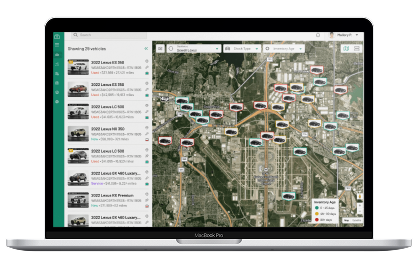
Master your lot. Locate cars and keys effortlessly to accelerate sales, check battery levels, run audit reports, view lot aging, all with no upfront device costs. We only make money when you do.
Ikon Lot Management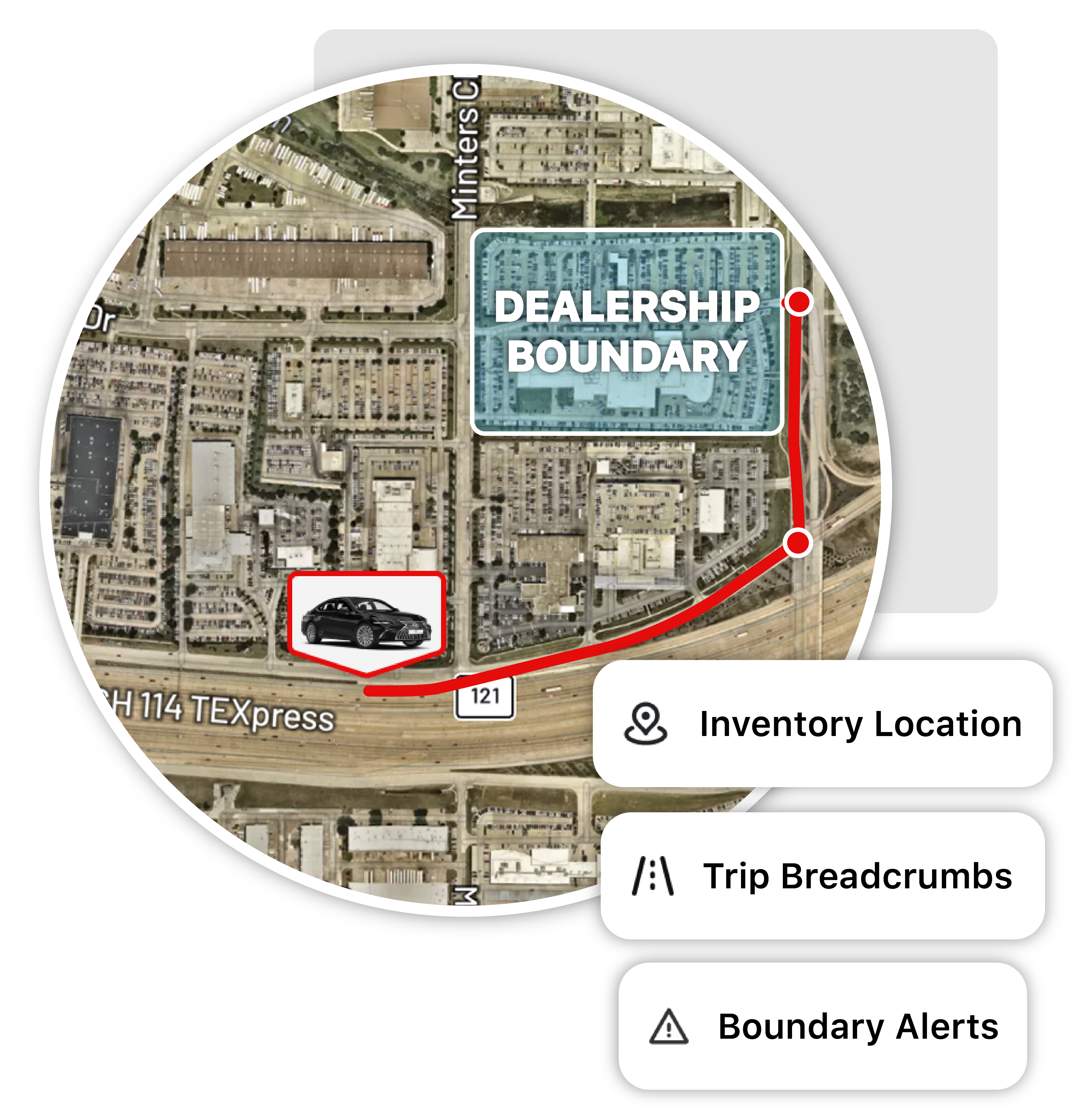
Stop inventory loss with near-real-time GPS tracking designed for rapid recovery. Ikon’s active theft recovery helps you secure your lot and lowers insurance premiums and deductibles.
Ikon Theft Recovery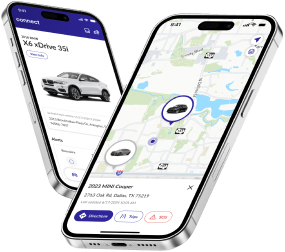
Get an avg. $323 PVR uplift by selling customers peace of mind and theft recovery featuring a $10,000 theft benefit. Your dealer-branded app keeps them connected to you, not the OEM.
Ikon Connected Car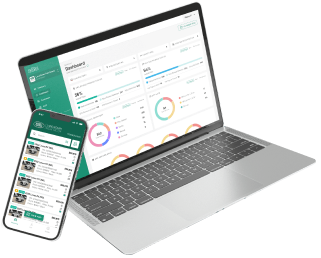
Maximize service retention and increase ROs with our mileage-triggered, automated text campaigns. We text customers at exactly the right time, driving them to your service scheduler.
Ikon Smart Marketing.jpg)
.jpg)
.jpg)
.jpg)