Penske Automotive Group is going private in a $16.3B deal with Mitsui. Explore what this massive auto retail shift means for non-Penske franchise dealerships and how to compete.
The automotive retail landscape experienced a historic shift this morning. Penske Automotive Group, Inc. (NYSE: PAG) entered into a definitive merger agreement to be taken private by Penske Corporation and Japanese trading giant Mitsui & Co. in an enterprise-value transaction totaling $16.3 billion.
$212.00All-Cash Per-Share Price
$16.3BTotal Enterprise Value
64% / 36%Penske / Mitsui Post-Close Split
Under the terms of the agreement, public stockholders will receive $212.00 per share in cash, reflecting an 8.84% premium over yesterday's closing price and an increase over the initial $210.00 proposal submitted in July. Upon transaction closing in early 2027, Penske Corporation will hold approximately 64% ownership and Mitsui will control 36%, removing America's second-largest dealership group from the New York Stock Exchange.
For equity analysts, this represents a multi-billion-dollar liquidity event. But for dealer principals, general managers, and regional platform executives operating independent and mid-sized franchise stores, this move carries a far deeper strategic signal: the ground rules of dealership competition are shifting toward long-term operational autonomy.
1. Why Is Penske Going Private?
As the No. 2 automotive retailer in the United States, retailing 259,502 new vehicles in 2025 alone, Penske Automotive Group has operated under the microscope of quarterly public earnings calls for decades.
Public dealership holding groups live under structural constraints that rarely align with ground-level store realities:
Wall Street scrutiny regarding short-term floor-plan interest expense fluctuations.
Quarterly pressure to sacrifice vehicle margin simply to hit volume targets.
Public equity penalties tied to macro interest rate swings and EV inventory adjustments.
By taking PAG private alongside Mitsui, its strategic business partner for 25 years, Roger Penske insulates the organization from short-term public market volatility. Away from quarterly earnings scrutiny, the group gains the freedom to make substantial, multi-year capital commitments in back-end logistics, operational autonomy, and dealership portfolio acquisitions without having to justify short-term margin compression to quarterly analysts.
2. What Does This Shift Mean for Non-Penske Dealerships?
If you operate a single-point franchise dealership or direct a regional 3-to-10-rooftop dealer group, a multi-billion-dollar buyout in Michigan impacts your daily operational environment in three fundamental ways:
A. Accelerated Consolidation Pressure
Penske's privatization underscores that capital access and scale remain aggressive forces in retail automotive. Private operators backed by patient, deep-balance-sheet capital can move decisively on prime real estate and buy-sell opportunities. Regional franchise dealers must counter by eliminating overhead waste and maximizing front-end and back-end gross generated from every single vehicle stall.
B. Long-Term Tech and Infrastructure Modernization
Freed from 90-day earnings cycles, mega-retailers will invest heavily in connected fleet logistics, automated inventory audits, and streamlined recon pipelines. Mid-sized franchise stores cannot compete effectively if lot management and asset protection remain manual, disjointed processes.
C. The Battle for Service Drive Retention
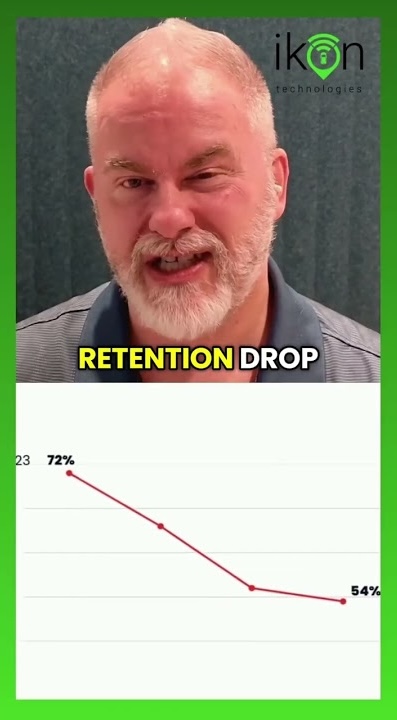
With front-end margins normalizing across new-vehicle lines, public and private dealership operators recognize that service lane revenue forms the foundation of dealership enterprise value. The primary battleground over the next five years is retaining customer service relationships long past the initial point of sale.
Dealer Executive Pulse: Where Is Your Store Focusing?
What do you see at your dealership? 👇
3. The Tactical Playbook: How Regional Dealers Win
Mega-group privatization does not relegate regional and independent franchise stores to the sidelines. Independent and regional dealer groups maintain key structural advantages over massive international corporations: nimble execution, local community goodwill, and the ability to adopt operational technology immediately without multi-year bureaucratic delays.
Strategic Arena
The Operational Challenge
The High-Velocity Response
Lot & Inventory Velocity
Rising floor-plan rates and extended days-in-inventory erode front-end margin.
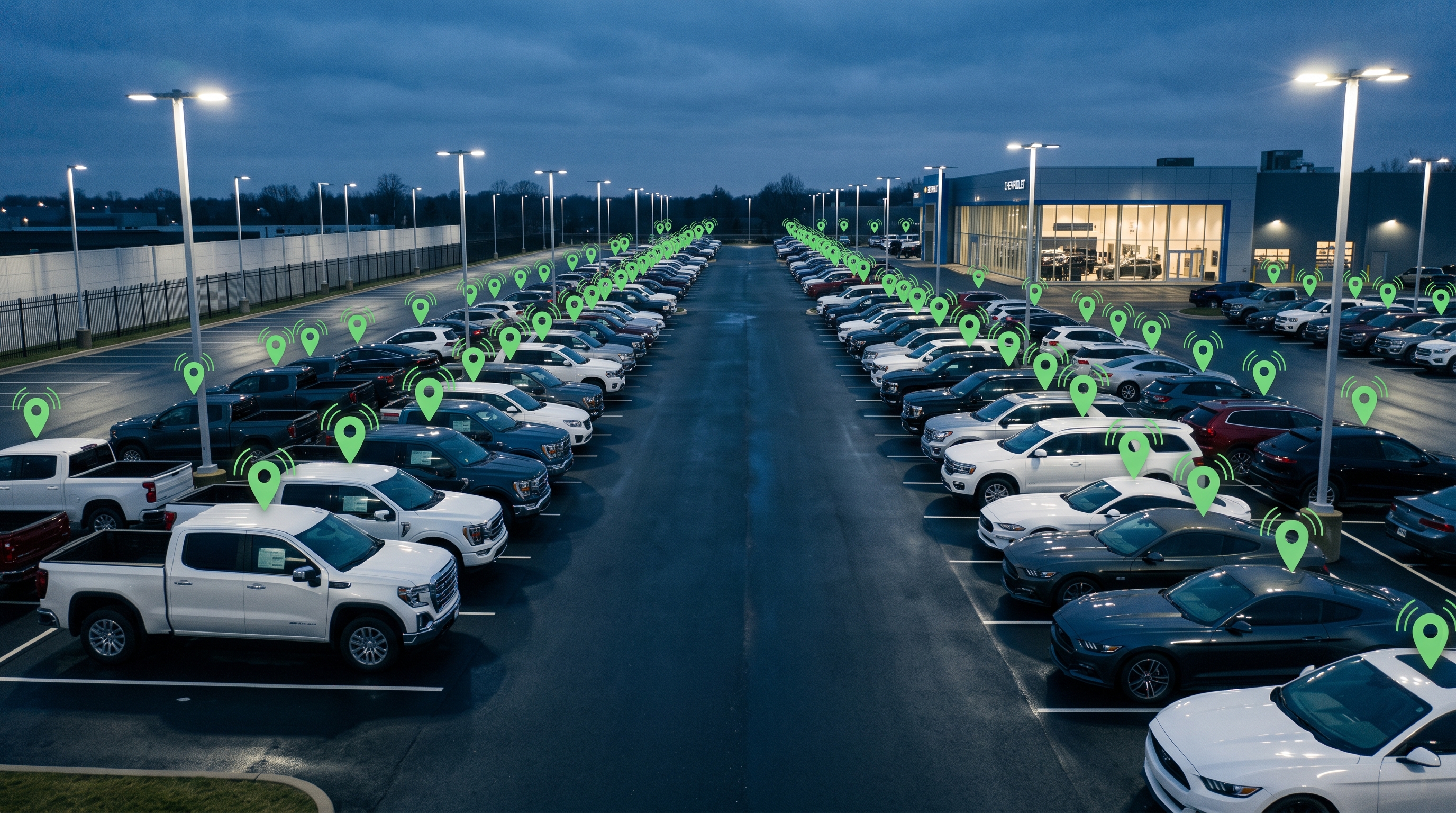
Deploy connected vehicle lot management to instantly locate cars, prevent dead batteries, and accelerate test drives.
Fixed Ops Retention
High customer churn to third-party aftermarket shops after 12 months.
Implement automated service outreach triggered by real-time vehicle mileage rather than outdated calendar guesses.
Revenue Diversification
New-car margin compression tightening total P&L profitability.
Leverage pre-loaded inventory telematics that double as pre-sale asset protection and high-margin F&I connected-car packages.
4. Bridging Agility with Enterprise-Grade Technology
Consolidated mega-groups invest millions custom-building proprietary tracking pipelines. Independent franchise dealers do not need to build internal software departments to match that capability.
Building Enterprise Discipline on the Store Floor
By equipping stores with integrated telematics platforms, franchise leadership captures immediate operational control:
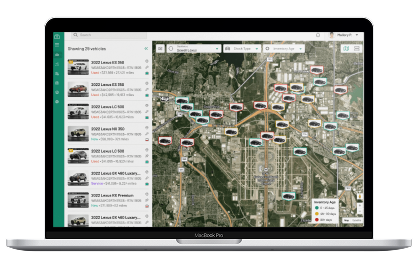
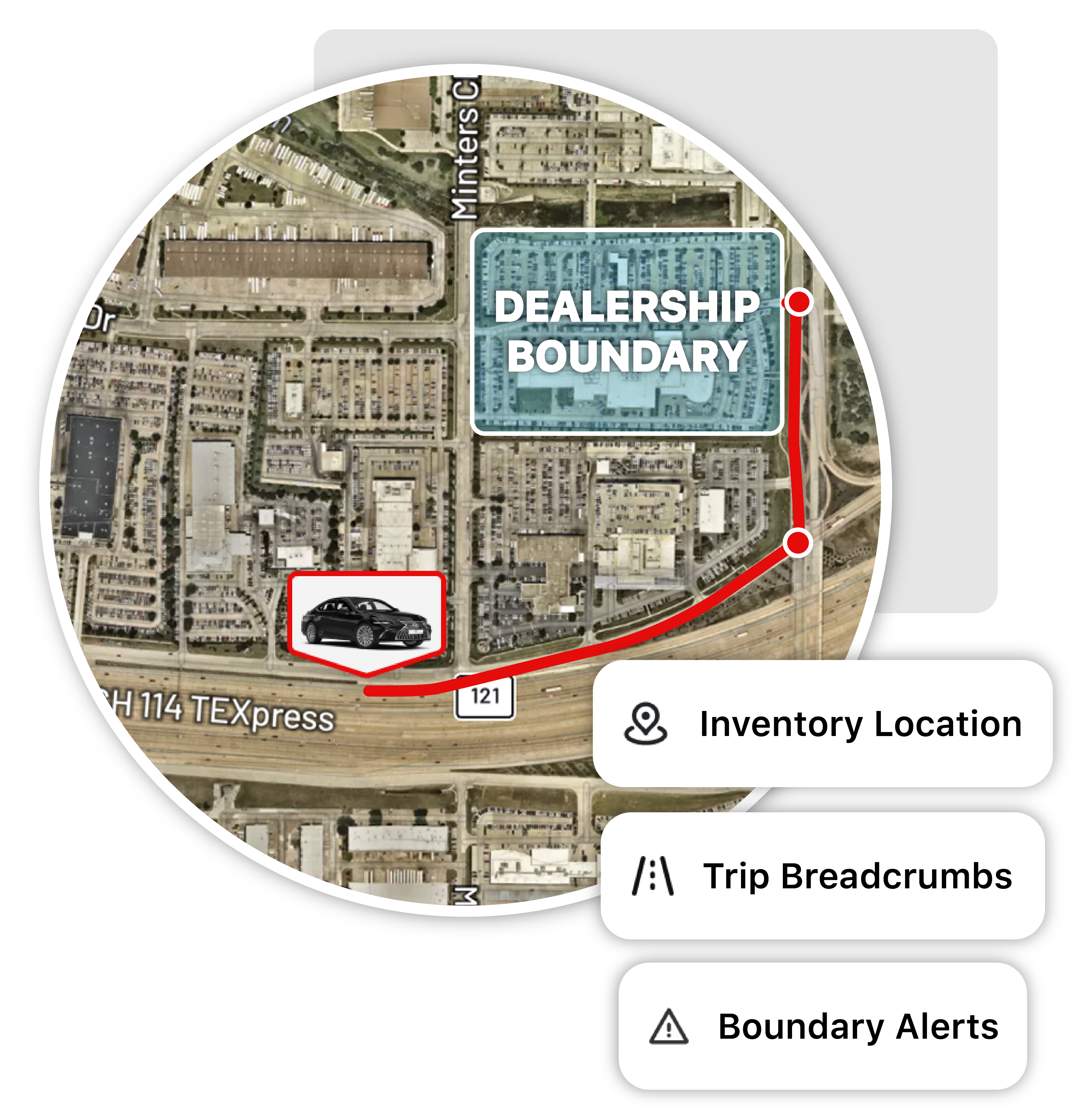
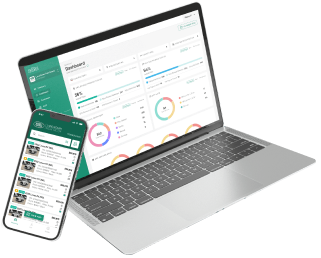
Connected Lot Oversight: Using the Ikon Technologies Toolbox management system, lot managers track vehicle battery health, pinpoint vehicle coordinates in seconds, and safeguard wholesale and retail inventory.
Mileage-Based Service Reminders: Through Ikon Smart Marketing, stores automate service engagement triggered by exact vehicle odometer readings, guiding drivers back into your service bays when factory maintenance is actually due.
Pre-Loaded Asset Profitability: Equipping inventory pre-sale safeguards vehicles against theft while transforming lot tracking hardware into a valuable day-one consumer connected-car accessory at delivery.
Roger Penske's strategic decision to take his group private confirms the foundational strength and enduring cash potential of automotive retail. It also sends a clear message to dealership managers everywhere: long-term success belongs to operators who manage inventory with precision, eradicate operational friction, and keep customer vehicles anchored to their service lanes.
Ready to elevate your inventory visibility, streamline lot workflows, and drive higher fixed-ops retention across your rooftops?
100% Visibility of Cars & Keys, Always Be Appointment Ready
Master your lot. Locate cars and keys effortlessly to accelerate sales, check battery levels, run audit reports, view lot aging, all with no upfront device costs. We only make money when you do.
Inventory Protection that Gets Stolen Cars Back Fast & Reduces Insurance Costs
Stop inventory loss with near-real-time GPS tracking designed for rapid recovery. Ikon’s active theft recovery helps you secure your lot and lowers insurance premiums and deductibles.
A Lucrative F&I Product for You and An App & Benefit With Real Value for Them
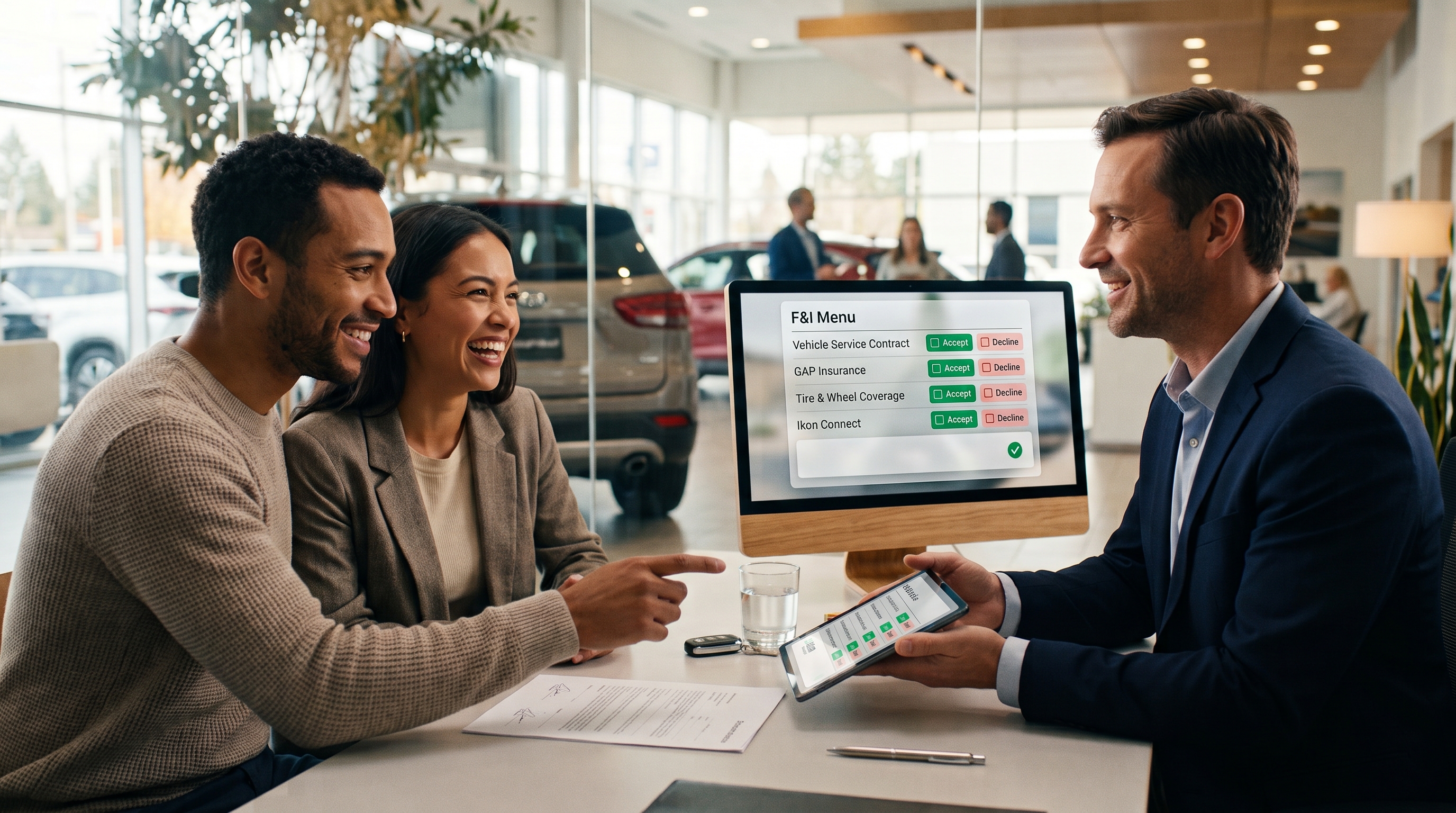
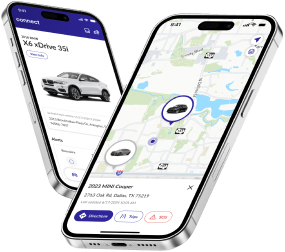
Get an avg. $323 PVR uplift by selling customers peace of mind and theft recovery featuring a $10,000 theft benefit. Your dealer-branded app keeps them connected to you, not the OEM.
Service Retention on Steroids, Keep Them Coming Back
Maximize service retention and increase ROs with our mileage-triggered, automated text campaigns. We text customers at exactly the right time, driving them to your service scheduler.

.jpg)


.jpg)