Discover why franchised dealerships face a 16-competitor convenience hurdle in Q4 2026, and explore multi-layered strategies - from bay flow to smart telematics - to protect fixed ops retention.
The 16-Competitor Problem: Navigating Fixed Ops Friction and Service Retention in Q4 2026
Entering the fourth quarter of 2026, fixed operations directors face an undeniable reality: service lane retention is no longer just an internal execution metric. Dealership scorecards have historically treated customer retention as a simple measure of drive efficiency, but today's operational pressures stem from industrywide crosscurrents - from shifting vehicle demographics and parts proliferation to aftermarket encroachment and changing original equipment manufacturer (OEM) mandates.
To protect absorption rates and maximize gross profit going into 2027, forward-thinking dealerships must re-evaluate how they combat defection across every stage of vehicle ownership. Unlocking long-term revenue requires modern fixed ops retention strategies that align store operations directly with consumer convenience.
The New Landscape: Older Fleets and Squeezed Capacity
Several converging market forces are defining fixed operations in late 2026:
An Aging Vehicle Fleet: With the average vehicle age on American highways holding at record levels, dealerships are servicing fundamentally different inventory. While older units provide valuable opportunities for heavy repair work, keeping drivers loyal once factory warranties expire is a steep climb. Retaining an owner driving an eight- or nine-year-old vehicle demands proactive outreach rather than waiting for an unexpected breakdown.
Parts Proliferation & Supply Chain Friction: Beyond macro supply chain headwinds, dealerships are managing thousands of distinct part variations for identical model lines. A single wiper motor or brake caliper configuration can span dozens of separate SKUs, complicating parts counter stocking and prolonging bay turnaround times.
The Repair vs. Maintenance Imbalance: Service bays increasingly lean toward time-intensive diagnostic repairs rather than fast-turn regular maintenance. When a service department forfeits routine maintenance, it forfeits the recurring touchpoints that sustain long-term customer relationships.
Dealer Insight Pulse
What is the single greatest obstacle keeping service customers from returning to your lane in Q4 2026?
What do you see at your dealership? 👇
Winning the Battle for Customer Convenience
Before a vehicle owner pulls onto your service drive, they drive past an average of 16 aftermarket repair shops, specialty tire centers, and quick-lube facilities. Every one of those independent shops is built entirely around immediacy.
Dealerships frequently fall into a "hurry-up-and-wait" operational rhythm. When service intake and scheduling are constructed around internal dealer workflows rather than driver convenience, friction inevitably mounts. Any friction point - whether it is scheduling friction, slow check-in lines, or vague repair timeline updates - creates an opening for a customer to defect. To beat the 16 aftermarket options down the road, stores must outrun them on convenience and transparent communication.
The Wear-and-Tear Defection Cliff
Customer defection spikes sharply around the 35,000-to-45,000-mile mark. When vehicles require their first replacement tires, brake pads, or batteries, drivers frequently turn to independent aftermarket chains. Once an independent facility captures that initial consumable sale, they secure the ongoing maintenance relationship - permanently eroding dealership retention.
Recapturing those wear-and-tear opportunities requires an operational shift across all departments. Enhancing service lane retention complements broader storewide workflows, from streamlining lot processes covered in our dealership lot management guide to evaluating enterprise-wide performance across our complete departmental ROI analysis.
A Multi-Faceted Strategy for Fixed Ops Retention
Solving retention in today's retail automotive climate cannot depend on a single tool or initiative. Successful dealer groups deploy a layered strategy combining culture, process adjustments, and purpose-built technology:
Process & Training
Value Presentation Training
Equip service advisors to clearly explain the value of factory-trained technicians, OEM diagnostic equipment, and warranty-backed repairs. Communicating why franchised care provides superior long-term vehicle health removes customer hesitation over price differences.
Capacity Management
Dedicated Express Maintenance Bays
Protect rapid-service capacity so routine fluid services, tire rotations, and multi-point inspections do not get stuck behind complex engine overhauls. Providing true in-and-out convenience keeps drivers from turning to aftermarket lube shops.
Telemetry & Marketing
Ikon Smart Marketing Program
Traditional calendar-based mailers miss real-world driving habits. As one piece of a comprehensive retention strategy, Ikon Technologies' Smart Marketing program leverages live connected vehicle telemetry to trigger automated, mileage-accurate service alerts. By engaging drivers the exact moment maintenance or tire replacement is due, stores reclaim customer loyalty before aftermarket defection occurs.
Customer Transparency
Digital Vehicle Inspections (DVI)
Replace handwritten inspection clipboards with transparent video walkarounds and text-delivered estimates. Transparent digital proof builds consumer confidence, shortens estimate approval cycles, and increases average repair order (RO) hours.
When dealerships connect their customer touchpoints to real-time telematics, fixed ops transforms into a reliable gross generator. Discover how modern stores turn connected vehicle intelligence into sustainable service revenue by exploring our guide on turning telematics into a fixed ops growth engine.
Positioning Fixed Ops for Sustainable 2027 Growth
Defending service market share in late 2026 requires continuous vigilance. By recognizing external industry friction points, training advisors to effectively communicate the franchised value proposition, and adopting real-time vehicle communication platforms like Ikon's Smart Marketing, dealerships can eliminate friction for their drivers and keep service bays consistently full.
Get a Demo
Discover why hundreds of franchise dealers trust Ikon to overcome growth challenges and maximize velocity, profitability and loyalty!
100% Visibility of Cars & Keys, Always Be Appointment Ready
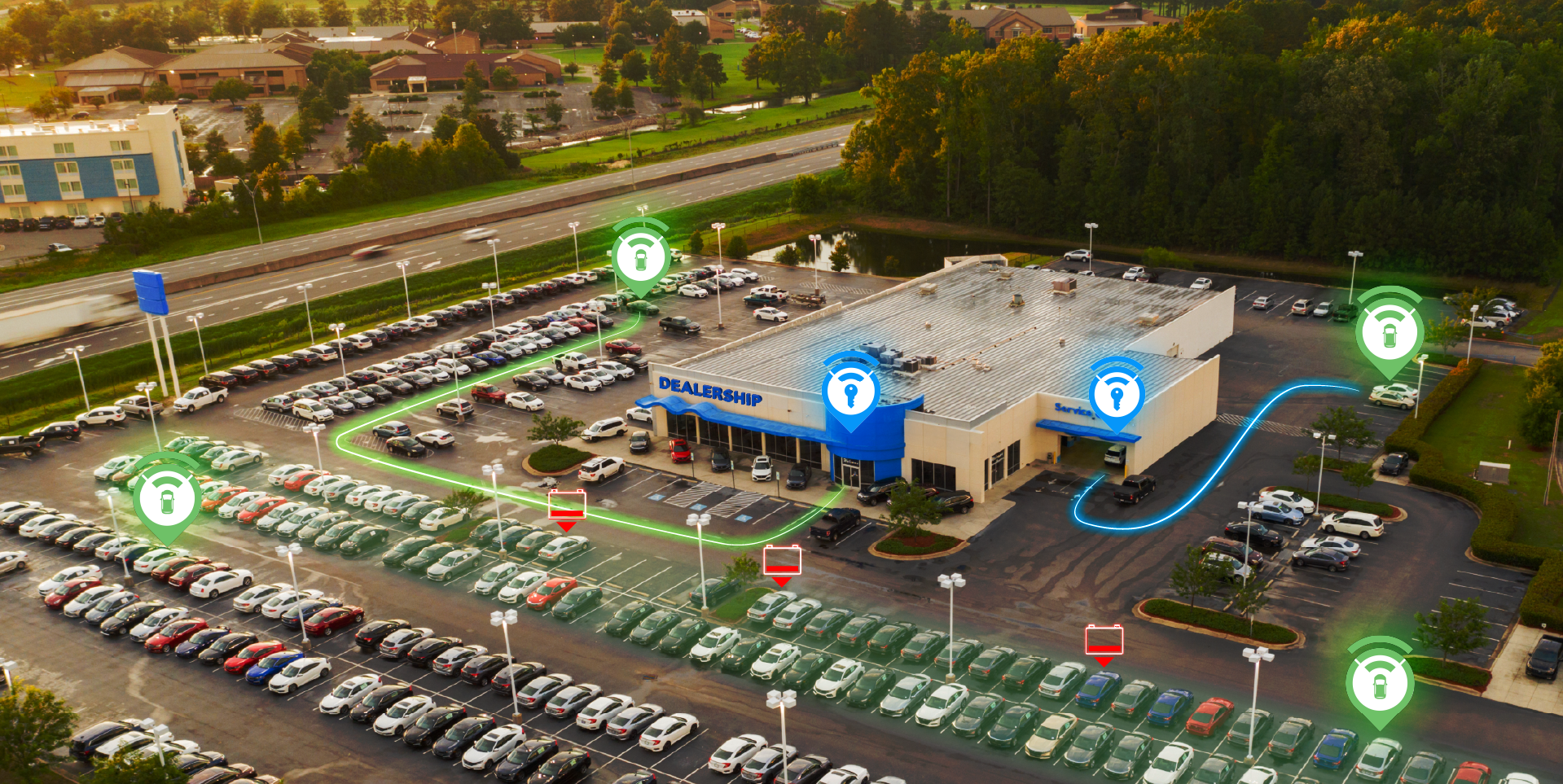
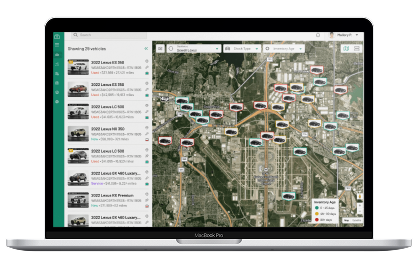
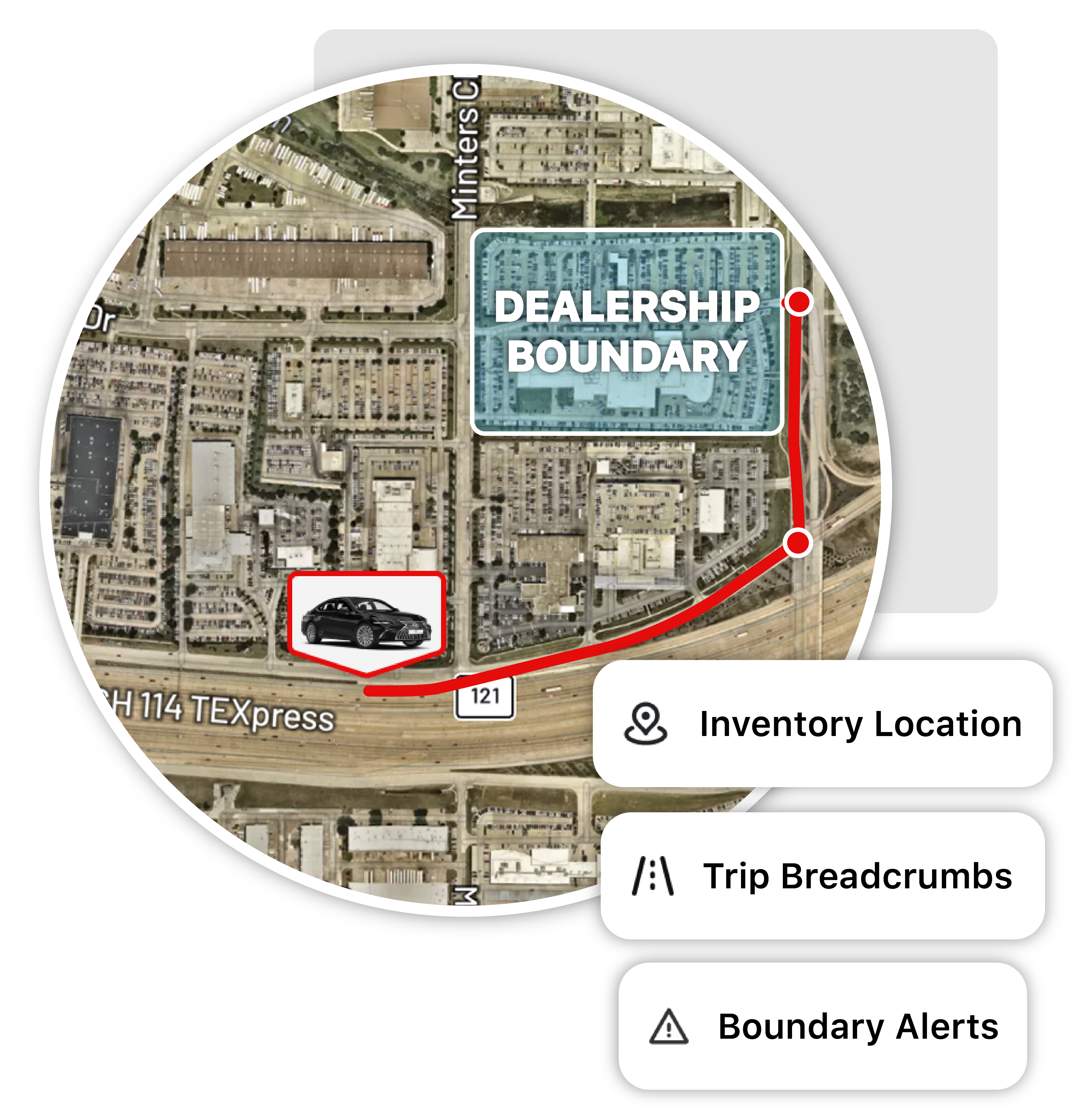
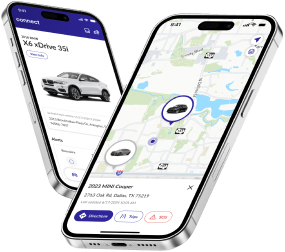
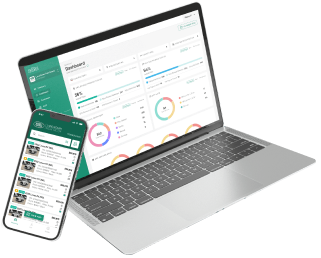
Master your lot. Locate cars and keys effortlessly to accelerate sales, check battery levels, run audit reports, view lot aging, all with no upfront device costs. We only make money when you do.
Inventory Protection that Gets Stolen Cars Back Fast & Reduces Insurance Costs
Stop inventory loss with near-real-time GPS tracking designed for rapid recovery. Ikon’s active theft recovery helps you secure your lot and lowers insurance premiums and deductibles.
A Lucrative F&I Product for You and An App & Benefit With Real Value for Them
Get an avg. $323 PVR uplift by selling customers peace of mind and theft recovery featuring a $10,000 theft benefit. Your dealer-branded app keeps them connected to you, not the OEM.
Service Retention on Steroids, Keep Them Coming Back
Maximize service retention and increase ROs with our mileage-triggered, automated text campaigns. We text customers at exactly the right time, driving them to your service scheduler.


.jpg)



.jpg)