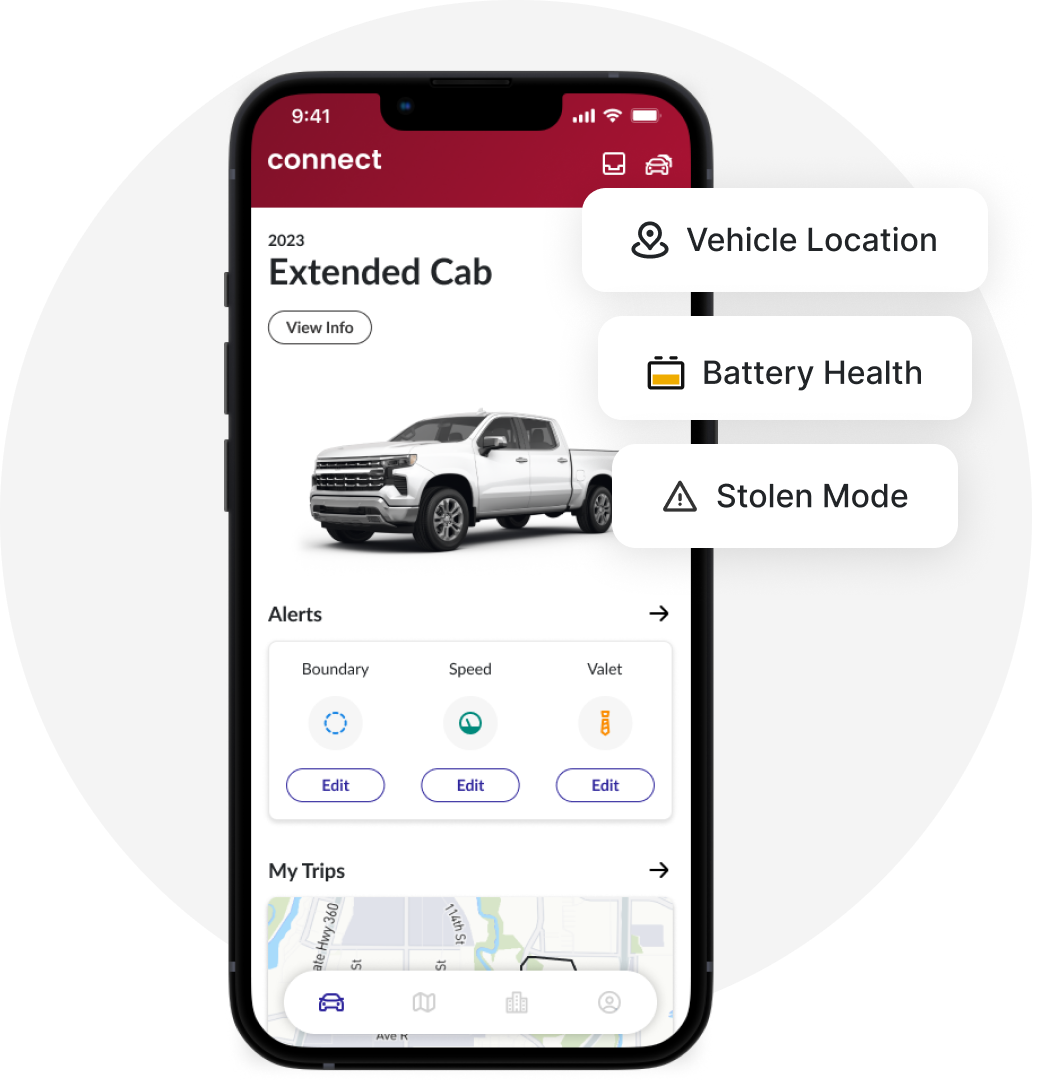
The Ikon Connect app is a dealer-branded connected-car experience that gives drivers useful controls on their phone, including vehicle location, geofences, speed alerts, battery status, trip history, service reminders, and Stolen Mode.
For dealerships, it is less about gadget appeal and more about retention, CSI support, fixed-ops reentry, and incremental F&I value.
That distinction matters. A connected-car tool can either become another forgettable handoff at delivery or turn into a branded ownership channel that keeps the selling store in front of the customer after the deal is booked. Ikon is clearly built around the second model, with the app tied to a participating dealer relationship and designed to keep service communication, alerts, and post-sale touchpoints connected to the store.
Here is the practical value on both sides of the house.
That is the frame dealers should keep in mind as search demand around the Ikon Connect app grows. The app matters because it gives the customer something useful and gives the dealership a reason to stay in the relationship after delivery.
The straight answer is this: the Ikon Connect app is a dealer-branded connected-car layer for the customer and a retention layer for the dealership. Ikon positions it with a dealer-controlled connected-car program, and the same operating model is reflected in its broader connected ownership approach. Ikon says the program includes a $10,000 driver theft warranty, potential insurance discounts around 15%, about $323 average incremental PVR, a 67% average dealer penetration rate, and roughly 15 customer app engagements per month.
Day-to-day use is practical, not flashy. A customer opens the app to find the vehicle in a packed airport lot, checks battery status before an early road trip, reviews trip history after lending the car to a family member, or sets a geofence and speeding alert for a teen driver. If the vehicle disappears, the same ownership flow gives the customer access to Stolen Mode instead of forcing a scramble across disconnected tools.
That matters because these are the kinds of features people actually revisit. Ikon’s consumer materials list Service Reminders, Stolen Mode, Speed Alerts, Battery Alerts, Geofences, and Trip History as core functions, and its FAQ says geofence alerts, speeding alerts, trip history, battery status, and Stolen Mode are all managed in the mobile application. It is still a dealer-linked ownership experience, though, which is the strategic difference from a generic standalone tracker. Ikon Connect’s consumer site makes that ownership model clear.
The fixed-ops case is the real case. NADA says franchised light-vehicle dealers wrote more than 270 million repair orders and generated more than $156 billion in service and parts sales in 2024. A separate NADA piece says the national average fixed absorption rate reached 63.9% in August 2025. Those numbers explain why a dealer should look at the Ikon Connect app as a service retention tool first.
When the app carries the store’s branding, handles service reminders, and reduces friction around scheduling, the dealership stays in the ownership conversation longer. That is the important point, not the novelty of telematics. According to NADA’s dealership data, fixed ops is too important to leave to passive follow-up. A connected, dealer-led reminder path helps cut post-sale defection and supports CSI because the customer has a simple route back into the service lane.
Dealer sovereignty means the dealership keeps control of the customer relationship after delivery. In plain terms, if the OEM owns the data stream, owns the app touchpoint, and owns the reminder channel, the selling store is easier to bypass. Ikon’s position is direct: OEM-controlled data can create service leakage and customer bypass, while a dealer-branded engagement layer keeps reminders and ownership communication tied to the store.
That is why this section is strategic, not technical. A dealer-installed, dealer-branded app keeps the dealership in the middle of service alerts, maintenance prompts, and ownership messaging instead of becoming an invisible fulfillment point after sale. Ikon lays that argument out in its dealer-sovereignty discussion. Stores that want to map out how that fits their own process can start the conversation through the team here.
Availability is usually tied to participating dealers, not every vehicle on the road. That is the reasonable operating view based on Ikon’s dealer locator, customer activation flow, and support process. The app is presented as part of a dealer-led enrollment model, so the cleanest way to explain eligibility is simple: if the vehicle was sold or enrolled through a participating Ikon dealer and the connected device is active, the customer can usually proceed with setup.
Connected ownership is no longer a niche expectation. Counterpoint Research says 75% of passenger cars sold globally in 2024 had embedded cellular connectivity, up from 71% in 2023. Once that level of connectivity becomes normal, buyers expect a mobile touchpoint that feels just as normal.
That is why interest in the Ikon Connect app makes sense in market terms. Customers are already conditioned to expect digital visibility, alerts, and service communication from the vehicle they bought. The store that owns the branded app relationship has a better shot at keeping service mindshare than the store that hands the customer off to someone else’s ecosystem. Counterpoint’s 2024 connected-car data supports the broader shift, and it reinforces why dealerships need an app strategy that feels standard instead of optional.
Location permission is the core permission because location is the core utility. The app’s practical jobs, vehicle map visibility, geofencing, trip history, and Stolen Mode, all depend on reliable location data. Apple’s App Store listing says the app may use location even when it is not open and may handle data categories including location, contact info, identifiers, usage data, and diagnostics.
The right way to explain that to customers is calm and direct. These permissions line up with the functions the app is meant to perform. The bigger operating point for dealers is consent and access. Ikon says customers must opt in to Smart Marketing at the time of vehicle purchase, and it also says consumer vehicle location data is not provided to dealers without a valid legal basis. That is the practical privacy frame, feature-driven permissions on one side, consent-driven dealer use on the other.
The strongest consumer angle is everyday utility. The customer gets one mobile experience for vehicle location, geofences, alerts, trip visibility, Stolen Mode, and easier service access. That is tangible value, and it is the reason people keep opening the app after delivery instead of forgetting it exists.
The stronger dealer angle is post-sale control. NADA’s service and parts numbers make it clear where long-term profitability lives, and Ikon’s operating model is built around keeping branded communication and service-lane reentry connected to the selling store. That is the real business case.
Dealers should position the Ikon Connect app as a CSI and lifetime-value lever, with clean expectations around activation, consent, and privacy from day one. When the tool is sold, delivered, and explained that way, it stops feeling like an add-on and starts acting like a retention system.
The Ikon Program is available from selected dealers across the United States.
Dealers selling the Ikon Program should help new car buyers get set up with the Ikon Connect App before they leave the dealership./ Drivers download the application from the App Store or Google Play, then complete registration through the access flow tied to the purchase. If the registration email never arrives, support can resend it and help finish setup.
Ikon’s consumer FAQ says there are no monthly fees for Ikon Connect.
The most common day-to-day use of Ikon is to find your car whenever you need to for any reason. the app also includes service reminders, Stolen Mode, speed alerts, battery alerts, geofences, and trip history. In practical terms, it is built for routine ownership visibility and quick action, not occasional novelty use.
Yes. There is a Schedule Service button in the app you can use to request an appointment. You will also receive nileage-triggered reminders that send you to the dealer’s online scheduling systme for appointment booking, which gives dealers a low-friction way to bring the customer back into service.
No, the dealership loses all visibility of your location after you purchase the vehicle. Smart Marketing is opt-in at purchase, and Ikon says it does not provide consumer vehicle location data to dealers without a valid legal basis.
Location permission is the important one to explain clearly because map-based location, geofencing, and tracking depend on it.
Start with the basics. Confirm the device is fully connected to the vehicle’s OBD port, then make sure the vehicle has clear signal. Parking garages, metal structures, and bridges can interfere with GPS accuracy.
Both geofence alerts and speeding alerts can be updated at any time in the mobile application.
Yes. For additional vehicles, support needs the VIN and the Ikon device serial number. For a transfer, move the device to the new vehicle’s OBD port and contact support so the new vehicle can be registered properly.
Call the police and then activate Stolen Mode in the app. For theft-benefit eligibility, Ikon’s FAQ also says the app must be downloaded within 24 hours of purchase and claims must be filed within 30 days of the loss.
Because the economics sit in fixed ops. Service and parts remain a major profit engine for franchised dealers, and a dealer-branded connected-car app creates ongoing reminders, easier service access, and more branded post-sale contact than a one-time delivery pitch ever can.
.jpg)
.jpg)
32%+ average service reminder response rate. 74% higher chance that a service customer will buy their next vehicle from you.
Watch the Webinar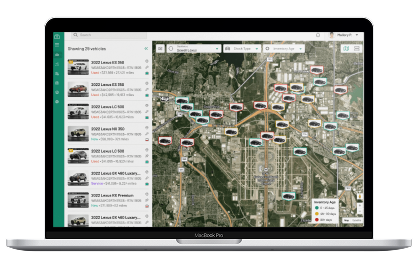
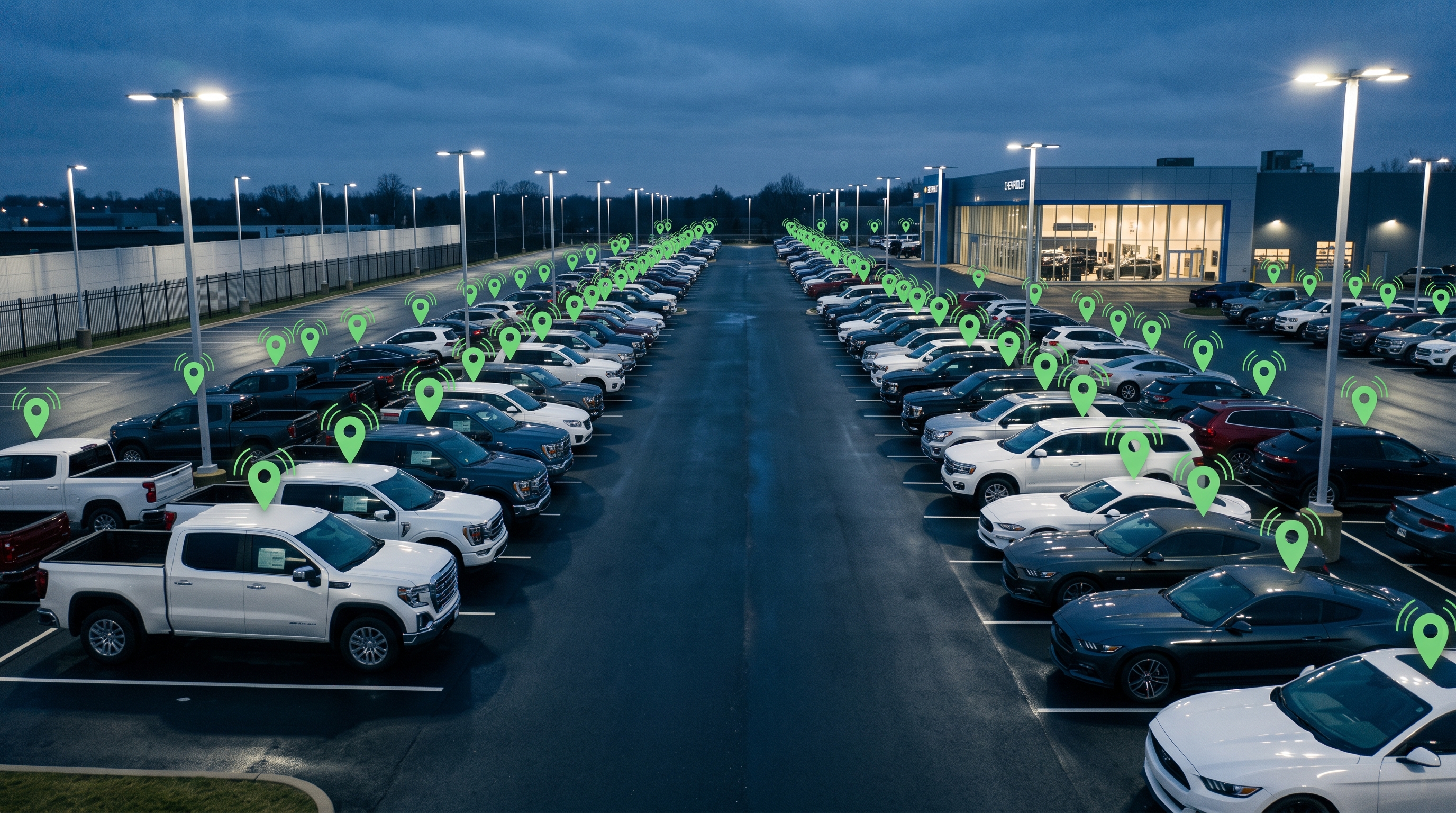
Master your lot. Locate cars and keys effortlessly to accelerate sales, check battery levels, run audit reports, view lot aging, all with no upfront device costs. We only make money when you do.
Ikon Lot Management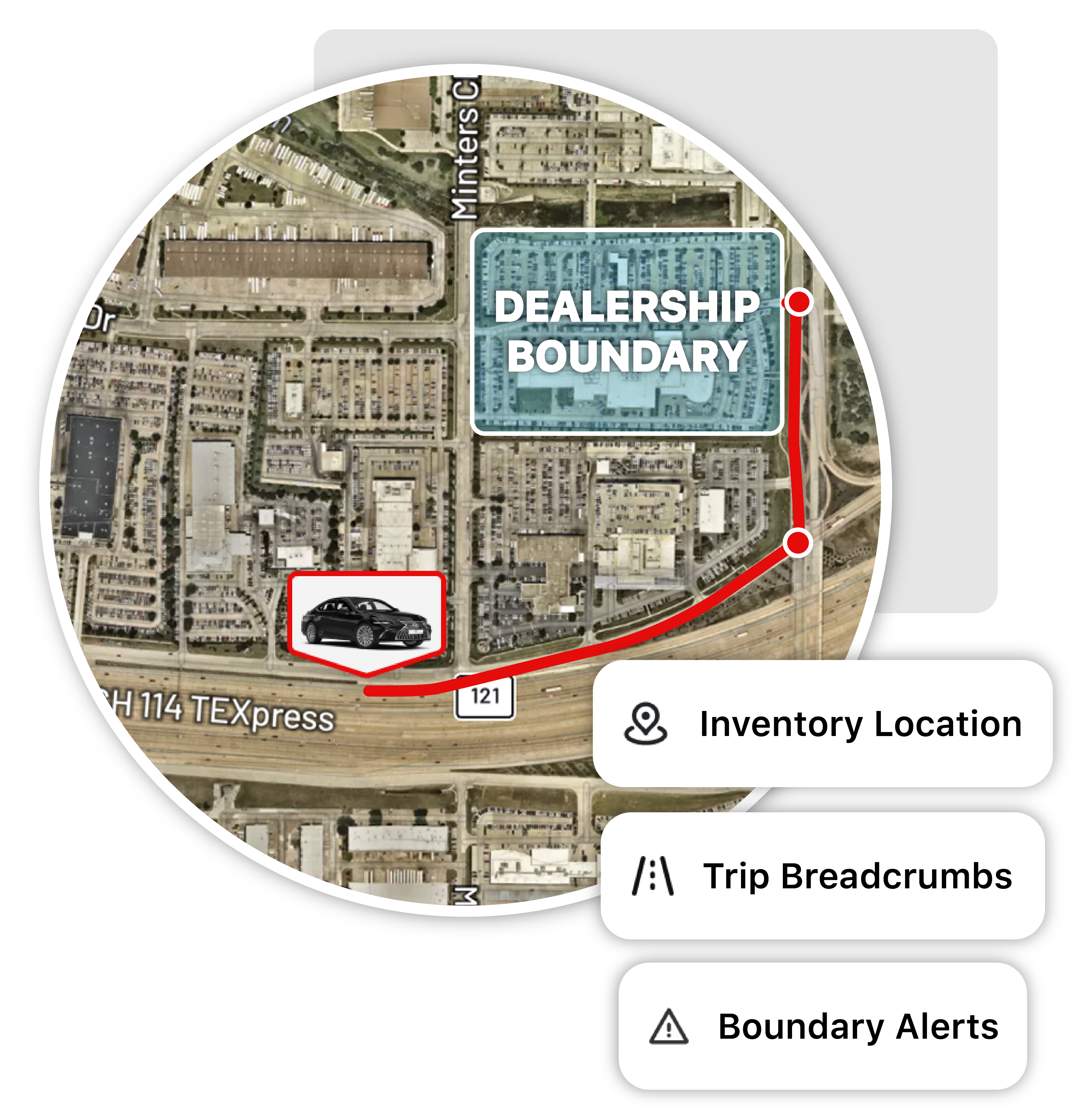
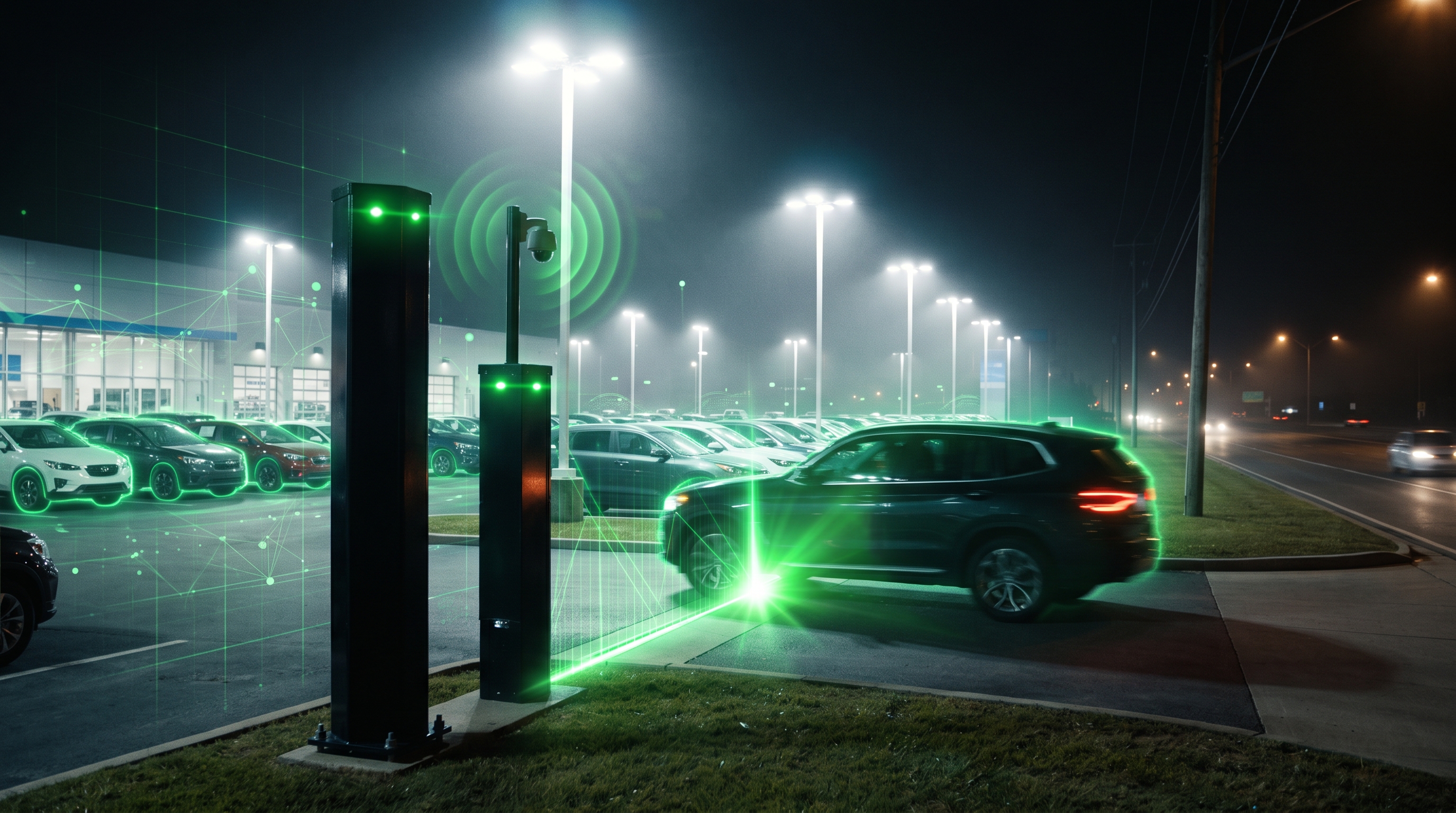
Stop inventory loss with near-real-time GPS tracking designed for rapid recovery. Ikon’s active theft recovery helps you secure your lot and lowers insurance premiums and deductibles.
Ikon Theft Recovery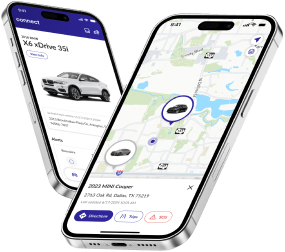
Get an avg. $323 PVR uplift by selling customers peace of mind and theft recovery featuring a $10,000 theft benefit. Your dealer-branded app keeps them connected to you, not the OEM.
Ikon Connected Car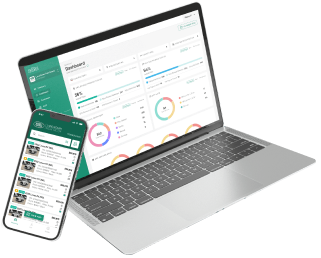
Maximize service retention and increase ROs with our mileage-triggered, automated text campaigns. We text customers at exactly the right time, driving them to your service scheduler.
Ikon Smart Marketing.jpg)
.jpg)
.jpg)
.jpg)