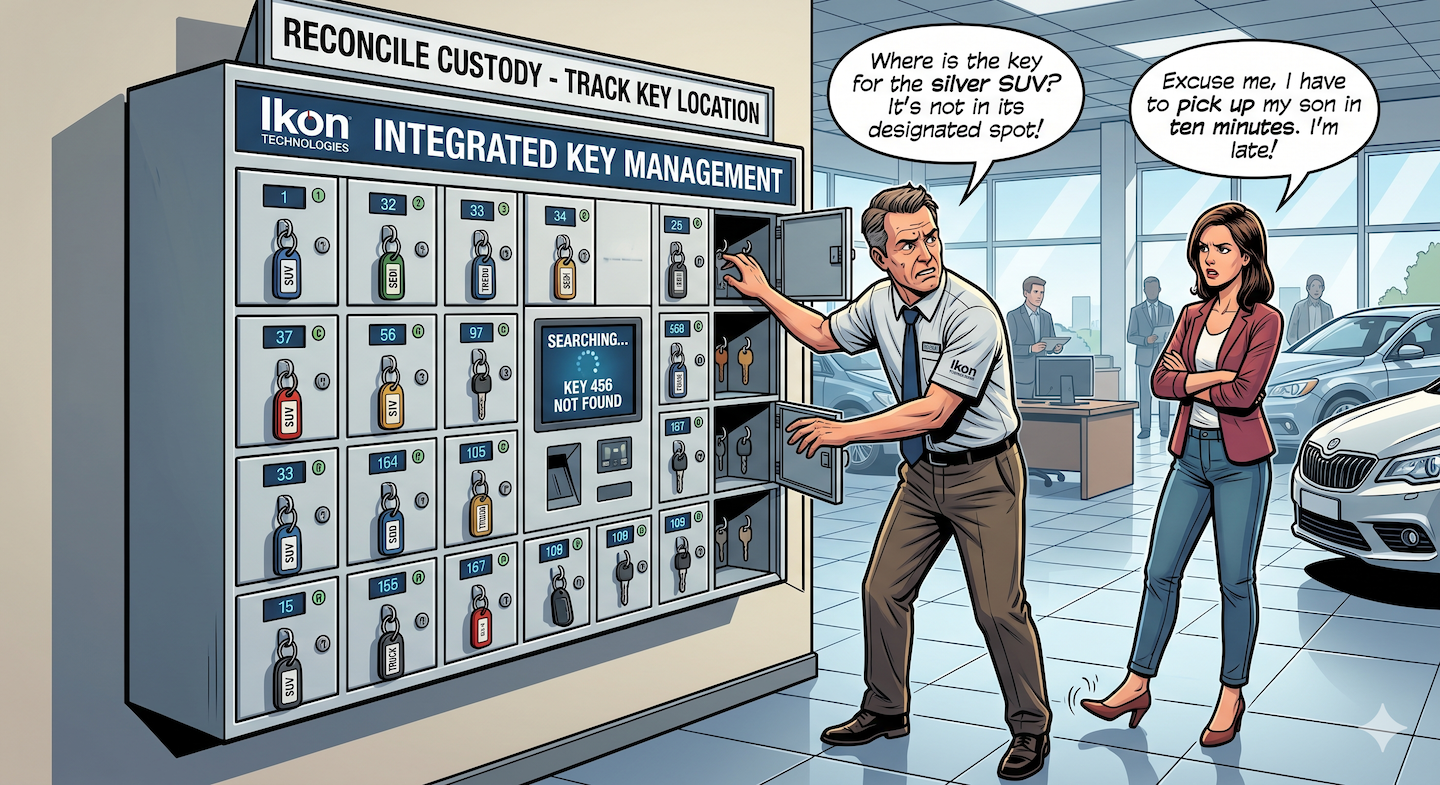
Key Management is a core function of every dealership. If you can't find the key, you can't sell the car. Many franchise dealerships spend north of $50,000 replacing misplaced keys every year. Traditional Key Management Systems (key cabinets) provide a partial solution. Key Locator Systems like Ikon Technologies Key Finder compete the picture and solve the real problem of key tracking in dealerships.
A Dealer key management system records an authenticated checkout before any key leaves controlled storage, sets a return deadline that triggers an overdue alert when the deadline passes, and keeps a note and audit trail showing why the key moved. The record ties one named user to one key, one reason, and one return clock.
Inventory pressure makes small key delays expensive in real money. Cox Automotive put used supply at 45 days and new supply at 80 days in July 2025, and at that level a missing key can stall a test drive or hold a recon unit off the frontline for another shift.
The bullets below set the tension we work through in the rest of the article: where the record actually pays back, and where it exposes habits the store has normalized.
Daily control starts the moment an employee authenticates and pulls a key under a recorded business reason, and it ends when the same key returns inside the deadline the system set at checkout. If the return path breaks, the manager sees an exception before the key becomes invisible, not after a customer is already waiting at the desk.
The day-to-day discipline is less about the cabinet and more about which custody events the record forces into the open. KEYper's chain-of-custody description covers the operational anchors we expect every store to enforce.
The cost of a missing key sits well above the price of a replacement fob. A single broken custody record can stall a test drive, delay a service pickup, or keep a recon unit waiting on the wrong rack, and each of those lands at the exact moment the customer expects movement.
Search minutes drain the porter and the salesperson together, and an appointment built on a clean CRM note still looks unprepared if the team cannot put a key in a hand. Recon hides the same problem at a slower clock. Workflow data on recon timing shows that cycles managers describe as three to five days often measure at ten to fifteen once every handoff is logged, and a 2.5-day reduction in recon time can add one additional inventory turn.
Theft exposure rises the same way. Loaner misuse is hard to challenge when the store cannot show who held the key, and dealer plate misuse adds a second risk vector because the plate can travel without a matching vehicle record.
The cleanest model uses events the manager can already count this month, not category averages. Replacement keys go in first; search minutes, audit labor, and stalled deals follow as separate rows, with delayed deliveries treated as exposure rather than guaranteed loss.
One vendor-published dealer example estimated more than $82,000 in annual hidden loss, useful as a modeling shape rather than a national benchmark. The research base does not support a category-wide adoption rate or an average-loss figure for 2025-2026, so we keep the math local.
Hardware only earns its keep when the store uses it on every key, every time. A strong policy demands authenticated checkout before the key leaves the cabinet, and it turns the weekly exception report into a coaching record rather than a forensic file the GM only opens after a problem.
Inconsistent use leaves a store with cabinet data that looks complete while the key is still in someone's pocket. The salesperson grabbing a fob for a quick demo and the technician pulling one for recon need the same return rule, and managers should review overdue keys while the employee can still remember the handoff. New hires need the policy in the first week, before informal habits set.
Hendrick Automotive Group's published case describes a theft in which 200 keys were taken, forcing 200 vehicles onto stop sale and triggering large-scale reprogramming work. That scale is what undisciplined key access can become on a bad day. Multi-rooftop operators need one written rule across stores so regional reports show real exceptions, not local workarounds.
Context: NADA's 2025 productivity guide carries a 30-day used-vehicle inventory benchmark and a 1.5-month supply target, which is why even a small recon stall reaches executive attention in a franchise group.
Operators should compare how each system handles the messy moments, not the polished demo flow. Watch what the record does when a key is late, when a user tries to bypass checkout, and when a dealer plate leaves the store, because those three failures are where most stores actually lose visibility.
A key record answers who last touched the key. Vehicle location answers whether the unit can be found fast enough for the next appointment, the next recon handoff, or the delivery promise already on the desk. The two records have to reconcile, or the store still hunts.
A cabinet can show a key as checked out while the team walks the lot looking for the car, which is exactly the gap a paired view closes. On our lot-management page we report 15 minutes saved per sale and a 56% reduction in audit time, and the practical mechanics behind that are explained in our piece on pairing keys with vehicle position.
The same record that ends key searches also exposes the handoffs a store has quietly normalized. Exception clusters around recon or loaners read as both a training signal and a risk signal, pulled from the same data the GM already reviews on Monday.
FTC Safeguards Rule guidance keeps access control on the dealer risk agenda, and a 97-dealership group like Hendrick illustrates why regional reporting matters: local workarounds will hide recurring exceptions unless one rule applies across rooftops.
Pull one week of overdue keys and missing returns from your current process. In the vendor demo, ask the team to recreate those exact failures using your users and your vehicles, and watch what the exception screen actually shows.
Traditional key management tells you who to blame, but it doesn't tell you where to look. At Ikon Technologies, we view a checkout record as a historical data point - whereas a key location system is a live recovery tool. Relying solely on a cabinet record assumes that the person who checked out the key still has it, but once that employee leaves the desk, visibility usually vanishes.
Integrating key tracking directly into your Lot Management program ensures that you aren't just managing a box; you are managing the entire footprint of your inventory.
The "Frank Problem" is a reality in every showroom. Frank checks out a key for a hot prospect, but the prospect reschedules. Instead of walking back to the cabinet - a five-minute round trip - Frank drops the key in his desk drawer or slips it to a colleague in the service bay.
The system says the key is with Frank, but Frank is currently at lunch, and the key is actually sitting in a technician’s pocket or hidden under a stack of paperwork. A traditional audit trail stops at the "Last Seen" user, leaving the manager to hunt down a person rather than the asset. By using Ikon’s location technology, you bypass the human element. You can ping the key’s actual coordinates - whether it’s in the wash bay, the back of a drawer, or a salesperson's pocket - and find it in seconds.
"Pocket hoarding" is a common dealership tactic used to "reserve" a vehicle for a future appointment. By keeping the key out of the cabinet, a salesperson ensures no one else can sell the car before their lead arrives the day after tomorrow.
This creates "ghost inventory" - vehicles that are technically for sale but practically inaccessible to the rest of the team. Incorporating key location into your Ikon Lot Management dashboard eliminates this friction:
By pairing an auditable checkout with live tracking, the dealership moves from a reactive culture to a proactive one. You no longer need to wait for Frank to get back from lunch; you can see the key is in the bottom drawer of Desk 4 and keep the deal moving.
Weekly is the practical default, because overdue reports lose coaching value once the employee forgets the handoff. The review should open with open keys by user, then move into exception notes that show whether the delay came from a test drive or repair work. Anything older than a week becomes forensics, not coaching.
Yes, the same custody record can cover inventory keys and customer keys when service advisors authenticate users and log returns the same way the sales floor does. KeyTrak's service materials tie this directly to customer trust. Loaner control and after-hours custody fit on the same record without a separate workflow.
Treat it as a vehicle-location problem alongside a key-custody problem. Pairing the key record with vehicle position lets the desk find the unit without another lot walk, and TrueSpot's House of Imports story shows why locker data alone can still leave a store hunting. The two records have to reconcile in one view.
Yes, when plate issue and return run through the same auditable user record as keys. KEYper's dealer-plate workflow treats the plate as a controlled asset, so managers can see who took it and whether it came back on time. That history matters when a plate question lands months later in an audit.
Start with one checkout rule and one exception rule across every rooftop. Hendrick's published case covers 97 dealerships and 131 franchises, and that scale makes the point concrete: group reporting only works once stores stop inventing local workarounds. Standard policy comes first, then standard reports follow.
Integration belongs in the buying requirements when custody data needs to follow a vehicle record or an open repair order. KEYper describes usage reports and integration as part of a key checkout system, and the practical test is whether the report lets a manager reconcile custody without re-keying data into the DMS by hand.
.jpg)
.jpg)
32%+ average service reminder response rate. 74% higher chance that a service customer will buy their next vehicle from you.
Watch the Webinar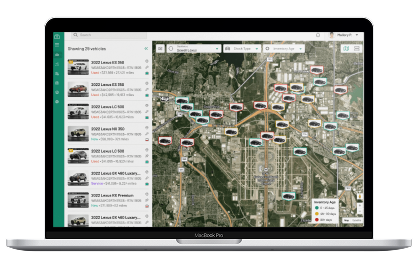
Master your lot. Locate cars and keys effortlessly to accelerate sales, check battery levels, run audit reports, view lot aging, all with no upfront device costs. We only make money when you do.
Ikon Lot Management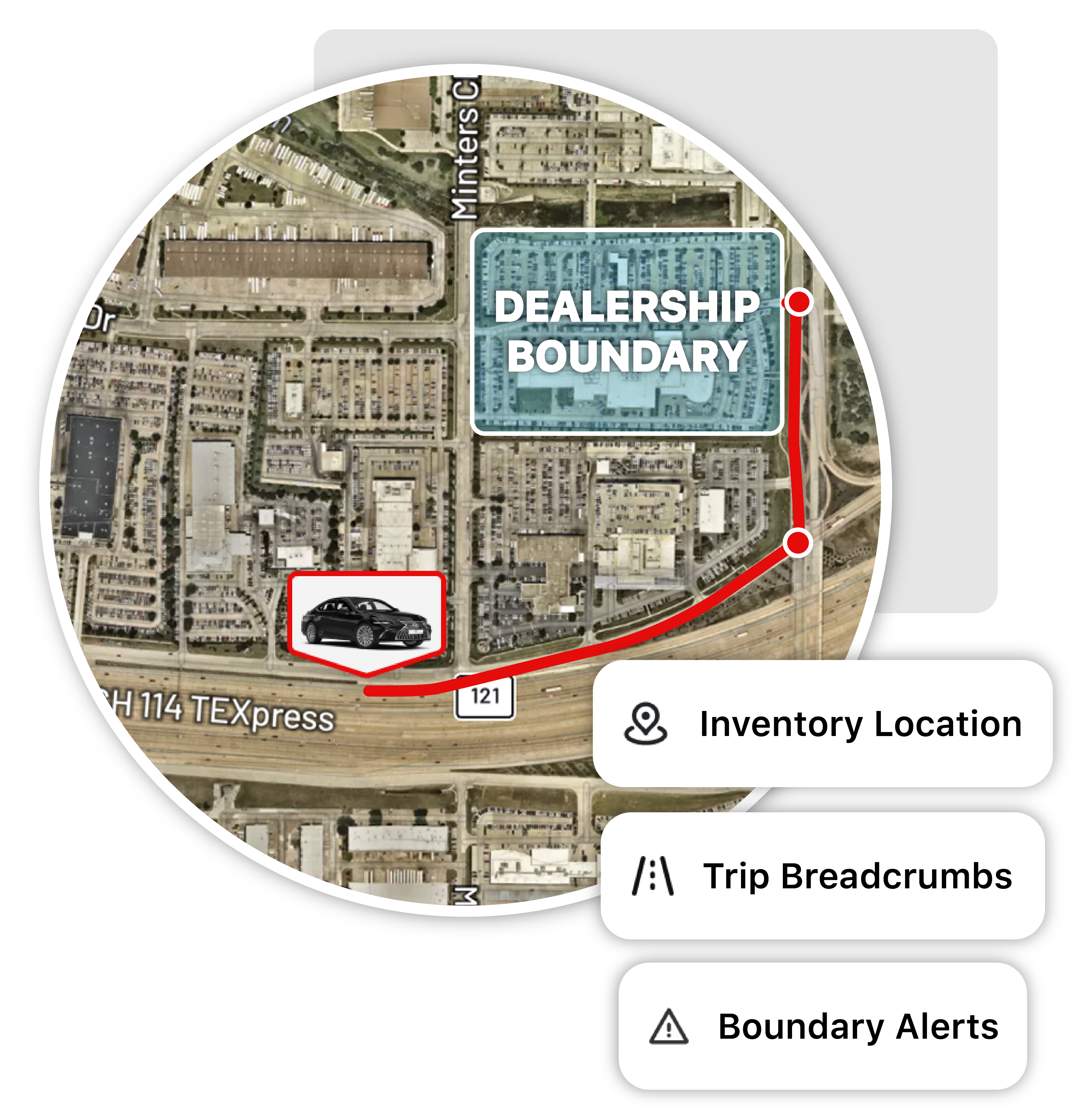
Stop inventory loss with near-real-time GPS tracking designed for rapid recovery. Ikon’s active theft recovery helps you secure your lot and lowers insurance premiums and deductibles.
Ikon Theft Recovery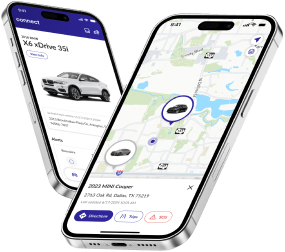
Get an avg. $323 PVR uplift by selling customers peace of mind and theft recovery featuring a $10,000 theft benefit. Your dealer-branded app keeps them connected to you, not the OEM.
Ikon Connected Car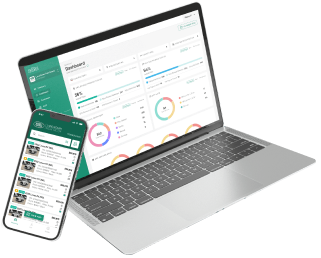
Maximize service retention and increase ROs with our mileage-triggered, automated text campaigns. We text customers at exactly the right time, driving them to your service scheduler.
Ikon Smart Marketing.jpg)
.jpg)
.jpg)
.jpg)