
Put your GPS Theft Recovery & Lot Management gross to work for you to build capital!
Captive reinsurance for car dealers begins the moment an F&I contract leaves the desk. A carrier or provider stands behind the customer promise, and the reserve portion inside that contract flows to a dealer - owned reinsurer where it earns out only if claims leave money behind.
F&I now carries weight that front - end gross used to carry. NADA reported F&I PVR up 14% through 2025, which moves the reinsurance question out of the F&I office and onto the same table where ownership reviews capital at risk and vendor oversight.
A dealer captive sits behind products that F&I has already sold. It is a dealer - owned reinsurer that receives the reserve portion after a carrier or provider backs the customer promise, and the earnings depend on whether reserves outrun claims and program costs over the life of the book.
The regulator's frame is useful here. NAIC describes a captive as a wholly owned subsidiary used to insure or reinsure parent - related risks, and reinsurance itself means one insurer ceding risk to another. In the dealer setting, the retail sale triggers the contract obligation first; the fronting side or reimbursement insurer keeps that promise enforceable to the customer. The dealer - owned reinsurer takes the reserve through the treaty and then carries the underwriting result.
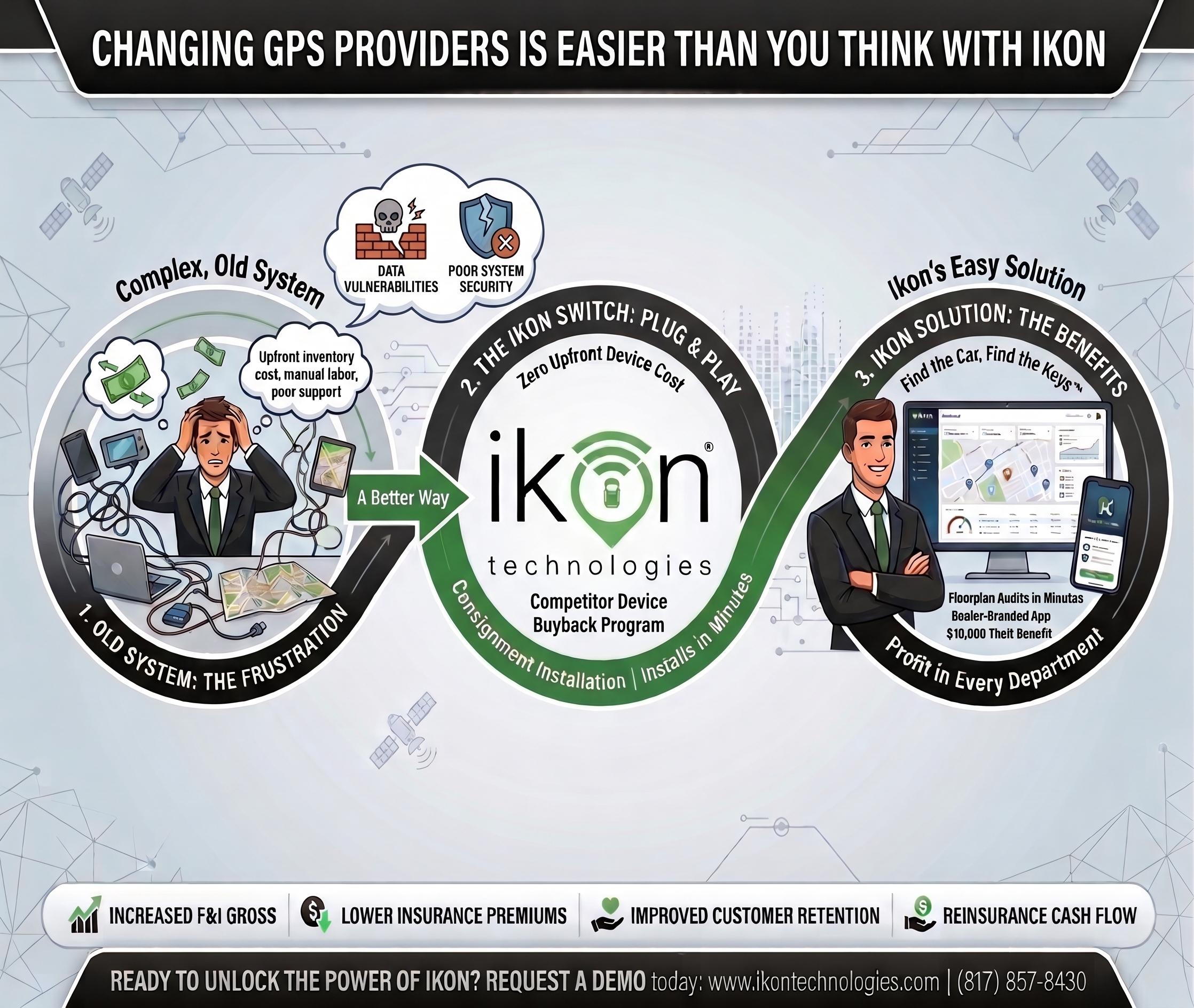
In specific connected - car and ancillary programs - such as Ikon Reinsurance the mechanics tie directly to an upfront retail component. Every Ikon Program sale to a consumer involves a $10,000 limited theft warranty. The associated premium from that contract contributes directly to the dealer's reinsurance company, where reserves are held and earnings accrue on a quarterly basis.
Trust funds typically release as contracts earn out, and paid claims travel back through the fronting side before the captive result becomes visible. The honest way to view a captive is an asset with a claims tail, not immediate F&I gross.
On any covered sale, the number that matters is the reserve hidden inside dealer cost, not the retail price. The reserve only reaches the dealer reinsurer after administrator fees and carrier compensation have been carved out of the CLIP premium.
Dealer cost leaves the retail transaction first. The administration fee covers contract servicing and claims handling, and the CLIP premium pays the carrier for backing the obligation. Inside that CLIP premium sits the loss - funding pool, and iA American's dealer - reinsurance overview describes 100% of that reserve component being ceded to the dealer - owned reinsurer. The trust account holds the money until contracts earn out month by month.
Monthly cession reporting should reconcile sold contracts to ceded reserve, and claims reimbursements reduce the reserve result before any profit is released. Neutral market benchmarks for admin - fee ranges are scarce, so diligence has to lean on the actual fee schedule rather than a comparable. In competitive programs, minimizing this structural friction is key; for example, Ikon Technologies utilizes a low $10 administration fee. This fixed, low - cost fee is positioned among the lowest nationwide and is designed to cover accounting, claims, and compliance without eroding the incoming loss - funding pool.
Underwriting profit is the spread that survives after earned reserves absorb paid losses and loss - adjustment expense. That spread can turn quickly when repair severity rises or when long terms were priced on stale assumptions.
The CAS service - contract paper uses "reserve" to mean the part of the contract fee meant to pay losses and related adjustment expense, and the administrator typically handles the program from sale through claims for a per - contract fee. Seller compensation often becomes loss - sensitive once earned reserves are measured against paid claims. Long terms expose the captive to repair - cost inflation after the deal is already booked, and product mix matters because a service contract behaves differently from a tire - and - wheel pool or a telematics asset.
For ancillary technology and warranty solutions, historical loss ratios can heavily impact the velocity of profit recognition. In the Ikon Program, the current baseline loss ratio sits at approximately 3%. When claims behavior remains consistently low, the capital accumulation in the dealer's reinsurance company accelerates, shortening the cycle required to build meaningful equity. Stop - loss protection may exist, but CAS gives an example of nominal coverage near $25 per issued contract. A dealer should read loss - ratio movement as an operating signal, not an actuarial footnote.
Definition: In service - contract programs, "reserve" refers to the portion of contract fees intended to pay losses and related adjustment expenses, not statutory insurance reserves in the traditional sense.
The dealer usually controls what gets sold and which vehicles qualify. The administrator usually controls the contract form and the claim decision path, and the profit lever sits where those two worlds meet.
F&I PVR rose 14% through 2025, which makes menu discipline more material to ownership than it was a few years ago. NADA's StoneEagle recap places service contracts in the top - penetration group for F&I products, with GAP sitting in that same participation feed. Paint and fabric coverage matters in many menus, and prepaid maintenance and tire - and - wheel add exposure with very different claim patterns.
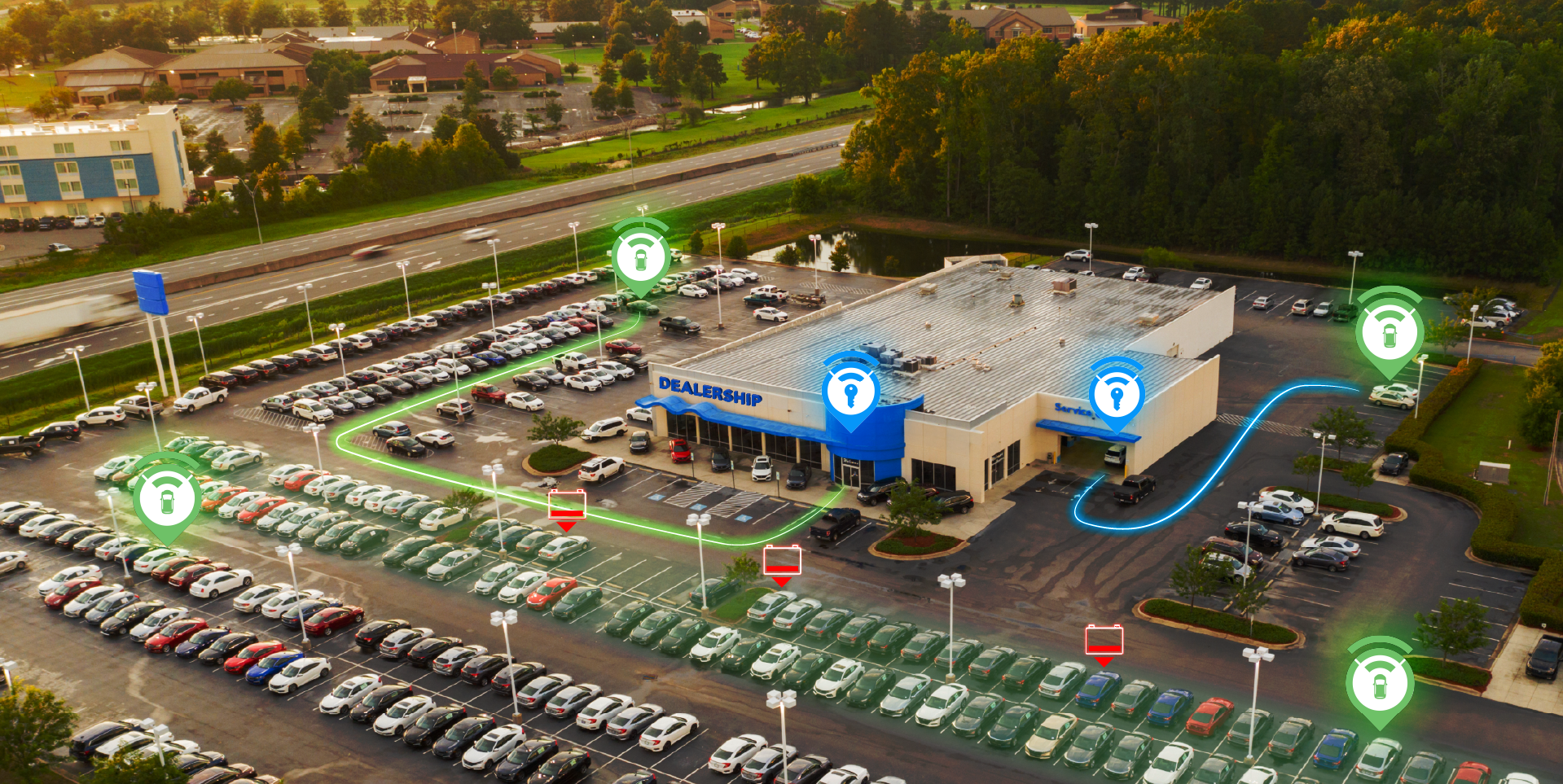
Connected - car technology and telematics systems represent a modern, high - penetration addition to this mix, allowing dealers to turn vehicle tracking and lot management tools into profit streams. Term selection decides how long the captive carries risk, and vehicle eligibility rules shape claims before any contract reaches the reinsurer. Provider choice and reporting cadence are negotiable in some programs, while claims protocols and compliance infrastructure usually stay with the administrator or carrier.
To offset the operational burden of managing these portfolios, some providers offer completely turnkey management. Under a turnkey framework like Ikon’s, the provider handles all claims processing, regulatory filings, and trust administration on behalf of the dealership. This allows the store to focus on operational discipline on the lot and tightening the sales - to - delivery handoff to drive F&I throughput.
A major point of variance among reinsurance programs is how long capital remains locked before it transitions from a protective reserve into recognized, distributable profit. Traditional service contracts often tie up reserves for years based on the life of the vehicle's coverage.
Conversely, shorter - term ancillary programs utilize a accelerated earning cycle where reserves are typically met within 90 days. To protect the structure while maintaining compliance, programs establish a Minimum Required Reserve Balance (MRRB). The MRRB calculation acts as a protective floor and is evaluated by taking the greater of multiple mathematical benchmarks:
A DOWC changes the legal seat of the customer obligation. In a ceded reinsurance model a provider or carrier sits in front of the dealer reinsurer; in a DOWC the dealer - owned company is itself the provider and buys the backing coverage.
The same economics can sit behind very different paperwork. In classic dealer reinsurance, reserves are ceded after the fronting side issues or backs the contract. In a dealer - owned warranty company structure, the dealer - owned entity is the obligor named to the customer, a third - party administrator can still perform day - to - day servicing, and CLIP backing still matters because customer claims need an insurer behind the provider promise. Branding moves closer to the dealer in a DOWC, but the diligence question is the same: which entity carries the promise before the reserve becomes profit.
Service - contract rules decide how much backing must sit behind the customer promise, and the captive deal has to clear those rules before any profit - sharing analysis is meaningful.
The NAIC Service Contracts Model Act allows reimbursement insurance as one compliance route, or a funded reserve of at least 40% of gross consideration received less claims paid combined with a security deposit of at least 5% on the same base, subject to a $25,000 minimum. A $100 million net - worth alternative can satisfy the model in place of those funding pieces. The model disclosure also gives the holder a direct path to the insurer 60 days after the provider fails to pay or provide service following proof of loss, and the 2023 state chart confirms that wording varies and guaranty - fund protection may not apply.
Tax review should run alongside the business review, not after it. The IRS 2025 final micro - captive rules expressly include automobile dealers in the seller definition for consumer - coverage arrangements, and they use a 95% unrelated - customer sales threshold for that framework.
Dealer - obligor facts already drew IRS attention in the earlier proposed rules. Reinsurance cash flows may also be netted against ceding commission, and reserve adjustments and claims payments can affect the same settlement. Tax counsel should test the treaty and the customer - sale data, and the documentation needs review before the captive is treated as a tax result. Building true equity via dealer - owned, tax - deferred profits is a primary driver for these programs, but compliance must remain airtight.
The cleanest signal of a healthy program is whether F&I leadership and accounting can describe the same dollar movement when asked the same question. A program that cannot be reconciled from menu sale to trust release creates operator risk even when headline participation sounds attractive.
Dealers prioritize transparency; monthly reporting should provide full, uncompromised visibility into balances, premium flows, and claims activity. Monthly cession reporting becomes the bridge between F&I gross and captive cash, and the NAIC's 60 - day direct - claim disclosure shows that the customer promise can outlive the retail sale by years. The IRS seller definition pulls automobile dealers into micro - captive documentation, which is why ownership should bring tax counsel into the room before launch rather than after the first audit cycle.
Three concrete next steps for the next ownership meeting: ask the administrator for a sample monthly cession report, make the provider trace one specific contract from retail sale through to trust release, and require a separate tax memo before signing.
Who usually decides whether a claim gets paid? The administrator normally decides, under the contract rules. CAS describes administrators handling service - contract programs from sale through claims for a per - contract fee. In turnkey setups like Ikon's, the administrator manages all claims processing internally. The dealer can monitor outcomes and negotiate reporting cadence, but the underlying claim authority typically sits outside the store.
What happens if claims run hotter than expected? The captive's underwriting profit shrinks first. If paid losses and adjustment expense outrun earned reserve, the result can flip into a loss for that period. Stop - loss may soften the impact, though CAS gives nominal coverage examples around $25 per issued contract in some trust - funded programs. Programs with low historical loss ratios (such as Ikon's ~3% average) provide a much wider margin of safety against unexpected claims spikes.
Can a customer claim directly against the reimbursement insurer?
Yes, when the contract is backed by reimbursement insurance and the provider fails to act. The NAIC model disclosure gives the holder a direct claim path 60 days after proof of loss. State wording still needs checking before a dealer promises that path to a customer in writing.
Does a captive improve PVR right away? No, not as a default. PVR measures profit at the moment of sale, while captive earnings depend on reserve earn - out after claims have run. NADA reported F&I PVR rising 14% through 2025. However, while traditional vehicle service contracts take years to earn out, certain connected - car or ancillary reinsurance programs can see reserve targets satisfied and earnings recognized in as little as 90 days.
Are vehicle service contracts treated as insurance?
Usually no, in many state setups, but they remain regulated products. State rules commonly require reimbursement insurance as backing for the provider promise. Funded reserves or net - worth alternatives can also appear in compliance frameworks, and guaranty - fund protection may not apply to the customer.
Which F&I products usually feed a dealer captive? Service contracts are the default feeder because they carry a clear reserve for future repairs over a multi - year tail. GAP can also feed participation programs. Increasingly, smart dealerships are adding connected - car and telematics programs to their reinsurance mix. Because products like Ikoncombine high retail penetration with rapid 90 - day earning cycles and low overhead costs, they complement traditional, long - tail service contracts by injecting faster cash flow into the reinsurance company.

.jpg)



.jpg)