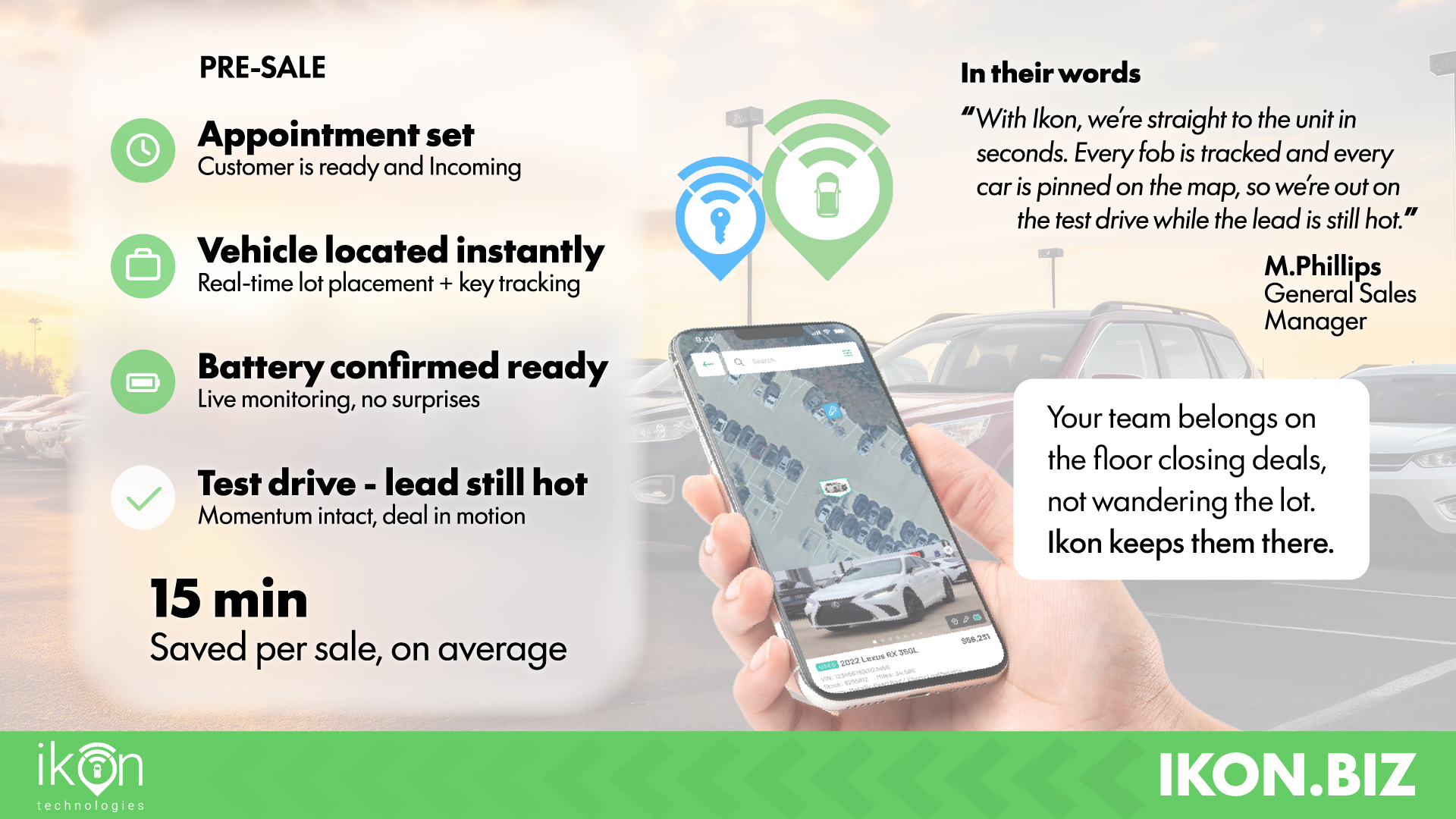
Dealers are moving faster than ever, so why is customer satisfaction dropping? Learn how appointment readiness is the key to winning modern car buyers.
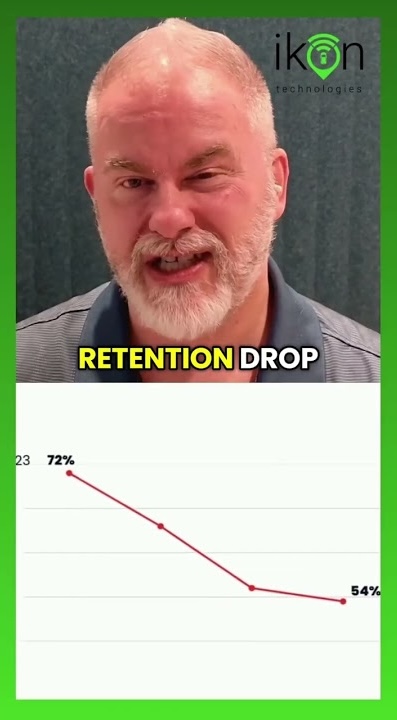
In this episode of the Ikon Technologies podcast, host Christopher Schouten sits down with Jeremy Okler, VP of Business Development at Ikon, to unpack one of the most counterintuitive challenges facing dealers today: Transaction times are hitting record lows, but customer satisfaction keeps falling. Left unaddressed, that gap doesn't just hurt CSI scores — it erodes the repeat business and referrals that dealers depend on most.
The reason? As Okler explains it, dealers have conflated efficiency with experience. Today's buyers arrive at the dealership already informed, decided, and impatient. Too often, what greets them at the is a failure of appointment readiness: missing keys, dead batteries, disconnected handoffs, and a finance queue with nothing to bridge the gap.
This isn't a problem dealers can hire their way through — the real opportunity lies in using smarter technology to eliminate friction, from the moment a customer walks onto the lot to the moment they walk back in to buy their next car.
Okler spent decades entrenched in dealer operations before joining the Ikon team; if there's one person who can pinpoint exactly where processes break down, it's him. Watch below to hear Okler's sharpest takes on how dealers should be thinking about in-store customer experience. We cover the critical but often neglected sales-to-service handoff, how the Ikon Dealer Toolbox app transforms the on-lot experience for both salespeople and customers, and how dealers can take back ownership of the customer conversation before the OEM does.
Today's customer is more prepared than ever — they've done six weeks of research, planned for one store visit, and know exactly what they want. When the in-store experience doesn't match that level of preparation, customers react. And yet the industry's response to falling satisfaction has largely been to hire more people and move faster, rather than become appointment-ready. Getting there is remarkably basic: know where cars and keys are, make sure vehicles are gassed up and cleaned up. Use the right technology to put a friction-free appointment readiness process in place.
"Nearly six in 10 buyers are reporting experiencing a problem during their purchase. When the odds of a problem-free visit are worse than a coin flip, speed just isn't gonna save you." — Christopher Schouten
"What digital retailing tool are you using to help find that vehicle? It's not just the vehicle — it's the key. Without the key, we're dead. We want to make sure that we have the car and the key gassed up, cleaned up, and ready to go." — Jeremy Okler
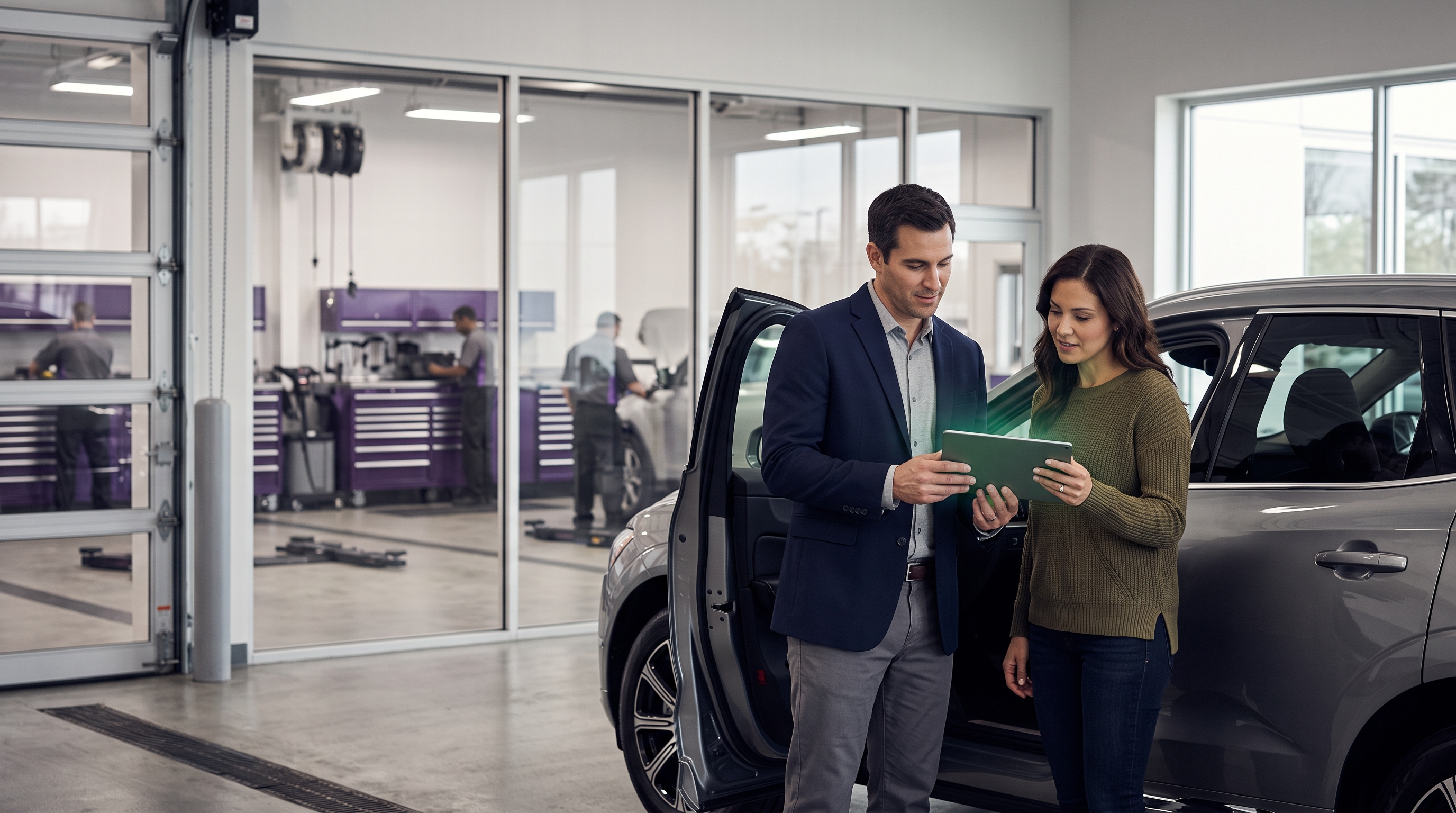
Appointment readiness is the discipline of eliminating the chaos on the sales floor — so that when friction does occur at the financing stage, it's the kind the customer already expected and accepts. The tell is in the details: a salesperson who can pinpoint a vehicle's location, pull up the Carfax without walking back inside, and hand over a key that was exactly where it should have been isn't just saving time — they're signaling to the customer that this dealership is categorically different from the one they dreaded walking into, because they respect and are mindful of their time.
"Where is that car? Where is the key? Is it gassed up, cleaned up, battery full, ready to go — or are we fumbling around trying to find it? This person had an appointment." — Jeremy Okler
"There's that disconnection that you don't have to have. Walk back in, walk back out, let's print this Carfax out — nope, with Ikon Dealer Toolbox, it's right here at my fingertips. So when you go back to that OEM survey and they say, was the dealer mindful of your time? That's when a customer can, without a doubt, say yes." — Jeremy Okler
If your appointment readiness strategy depends on one person knowing where everything is, you don't have a strategy; you have a single point of failure.
The reality of the modern dealership campus makes this even more precarious: multi-rooftop groups, remote lots, vehicles that drift to collision centers, keys that end up at the wrong store. When the porter calls in sick, the whole system seizes up. The dealers who've solved this aren't the ones who hired a backup porter — they're the ones who made the location of every vehicle and every key a live, visible, system-wide fact rather than tribal knowledge walking around in someone's head.
"If your senior porter calls in sick, the entire dealership seizes up." — Christopher Schouten
"Ikon pinpoints within three to six feet where that vehicle is — so if somebody's coming in on a vehicle and we see it over at the collision center and the key's over at another store, we can find out what's going on with that vehicle and have some alternatives ready." — Jeremy Okler
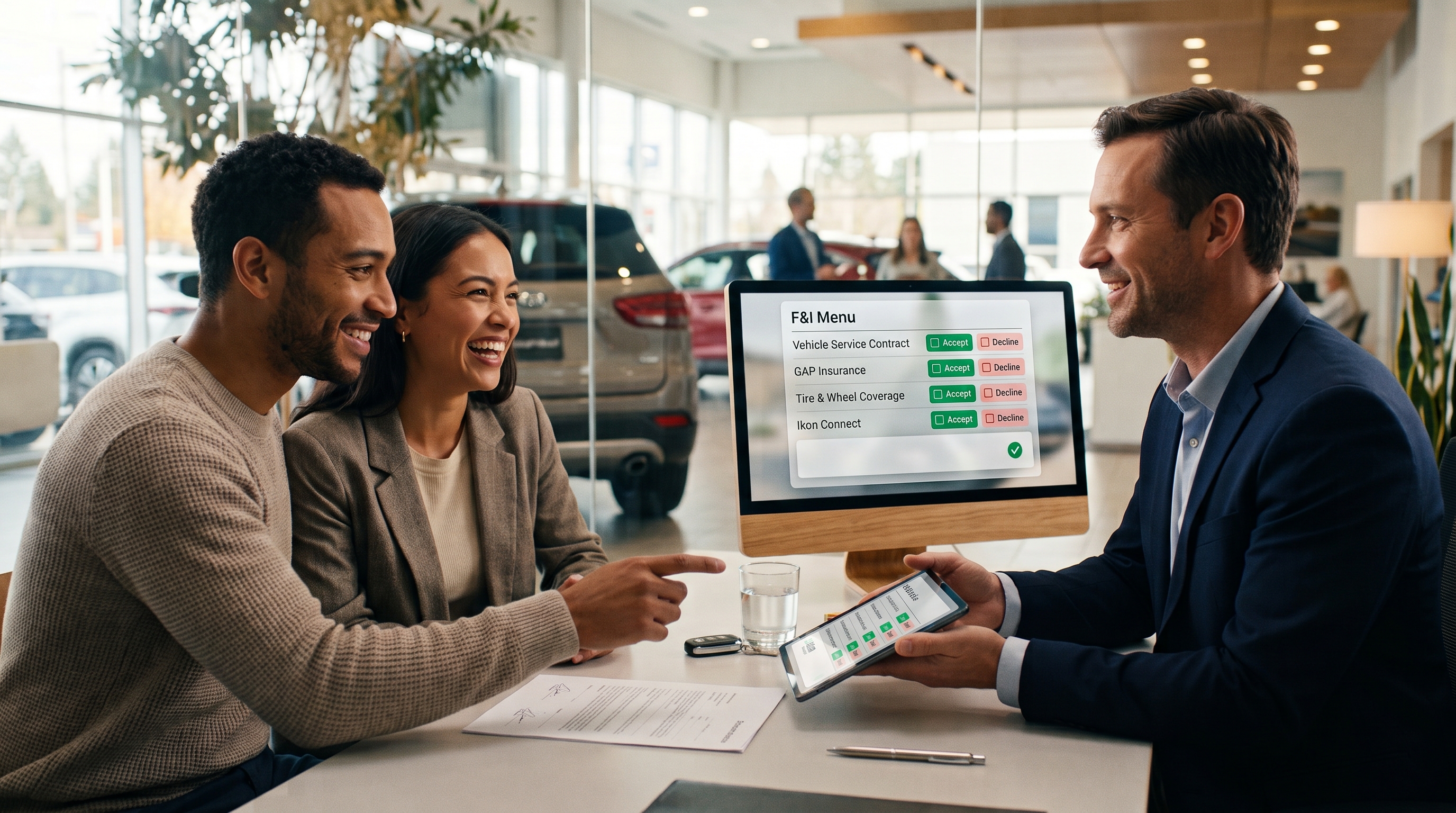
Maintaining appointment readiness keeps your customers from defecting from the first moment. Master it, and you'll set the stage for retaining a lifetime customer. But there is a genuine opportunity to build that relationship in one of the most universally dreaded parts of the car-buying experience—the finance wait. Instead of giving the customer dead time, use it as an ideal moment to introduce the customer to the service department, set up their first appointment, and begin building the habit of returning. Okler cites the NADA benchmark: three service visits correlates with a 90% chance of repurchase. That chain reaction starts not with a marketing campaign, but with what happens in those quiet minutes between the handshake and the paperwork.
"Speed is important, because speed preserves customer satisfaction at the point of sale. But you also need to transition into building a lifetime relationship with the customer. Do that by making the finance wait an opportunity to connect customers with everything the dealership can do for them, especially the service bay." — Jeremy Okler
"We have a white labeled dealer app — they bought from you for a reason. Having your name in lights on their phone for the next three to five years is a really good thing. We all know there's no more money to be made on the vehicle. It's really about winning them over and bringing them into your service." — Jeremy Okler
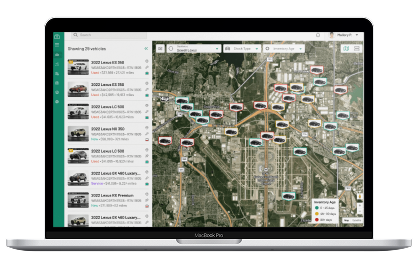
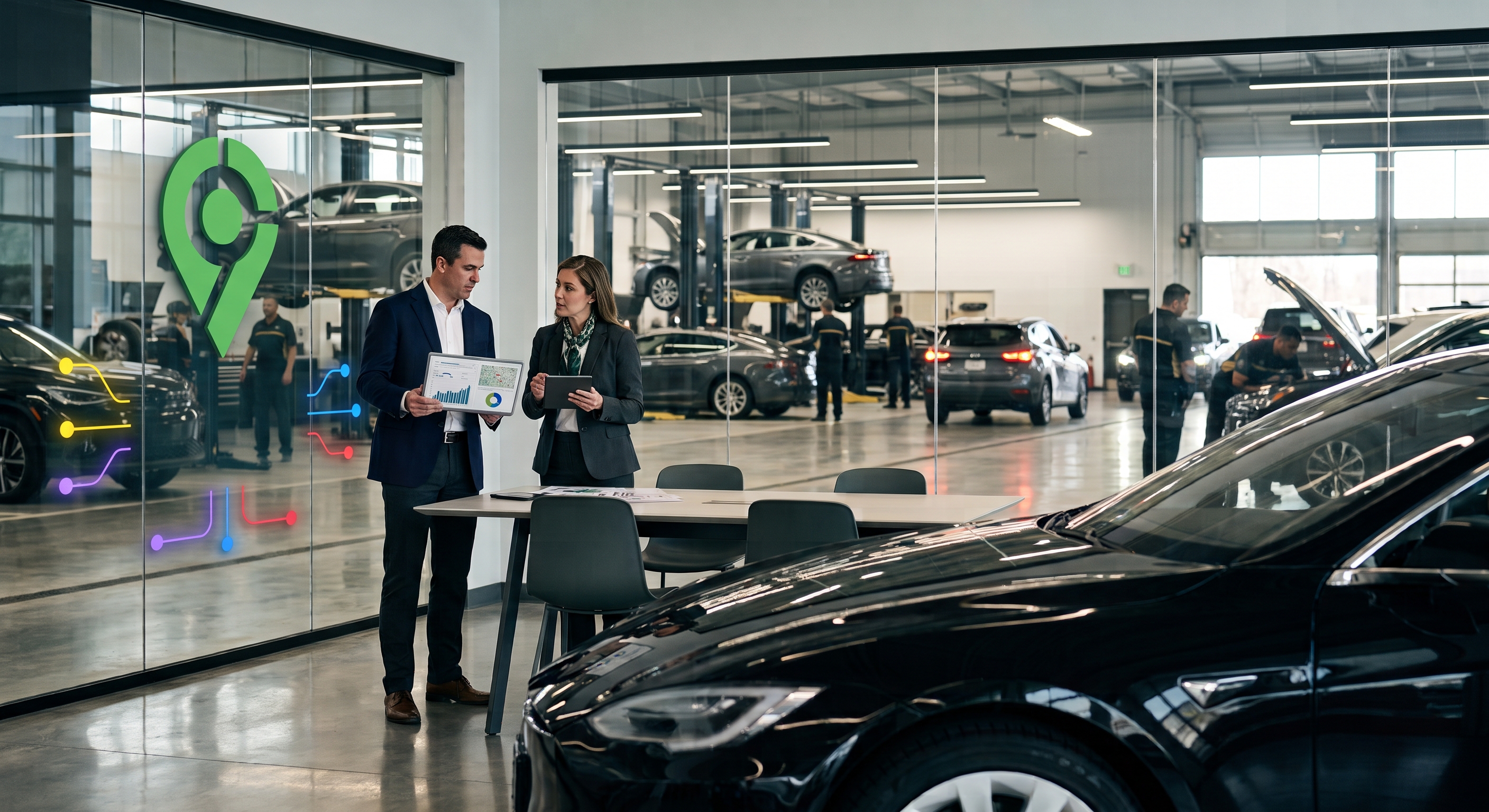
Master your lot. Locate cars and keys effortlessly to accelerate sales, check battery levels, run audit reports, view lot aging, all with no upfront device costs. We only make money when you do.
Ikon Lot Management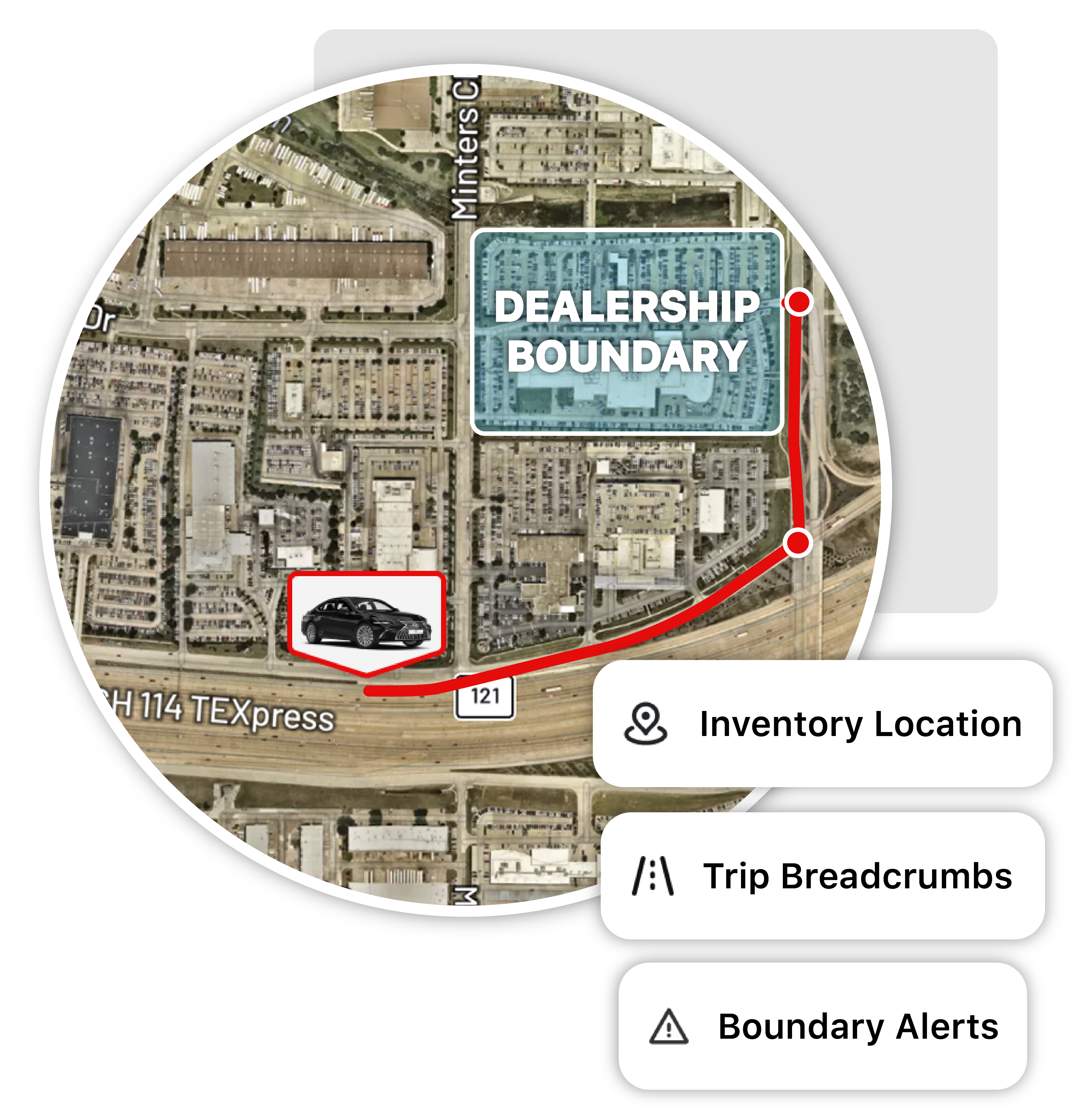
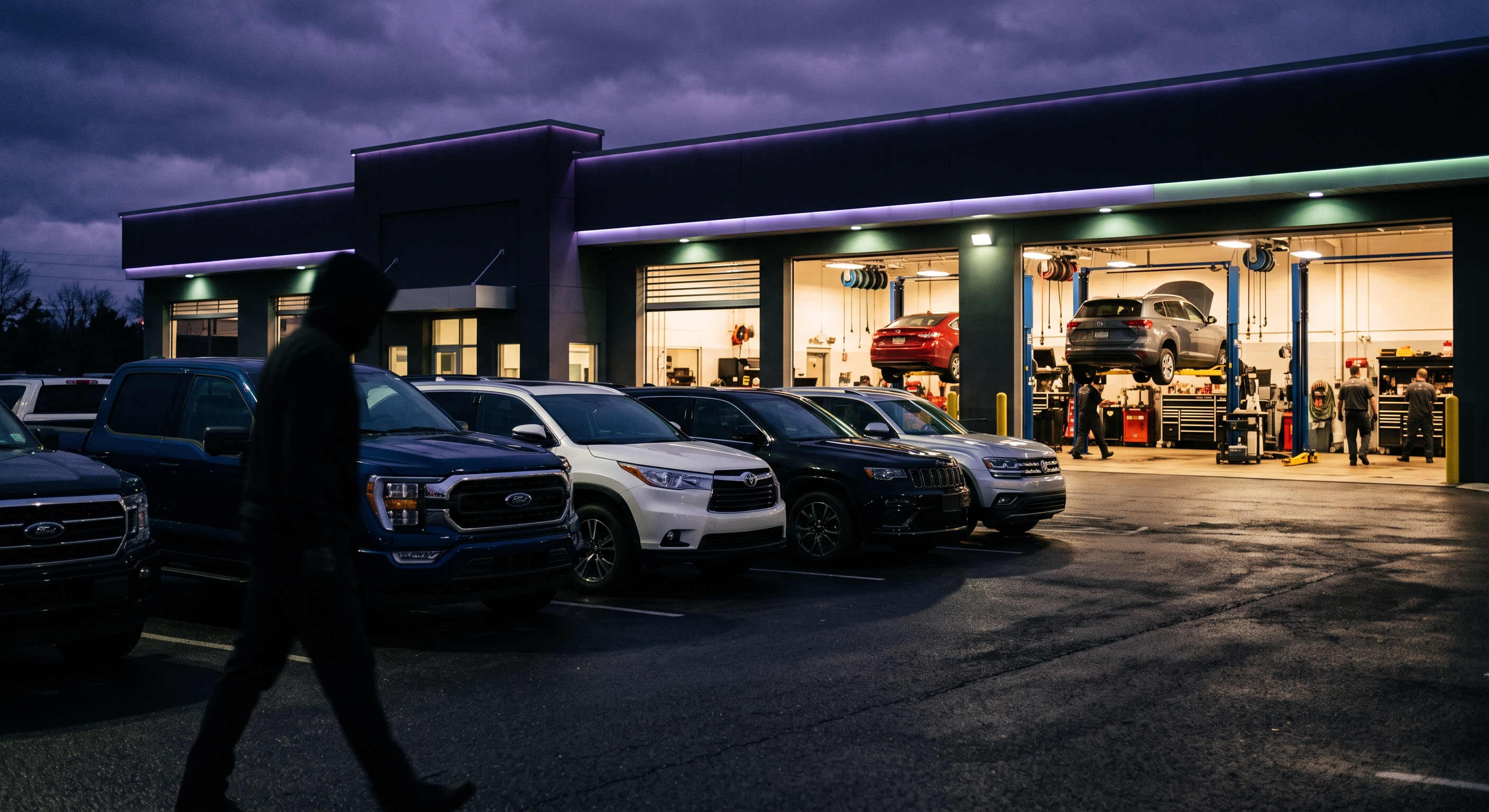
Stop inventory loss with near-real-time GPS tracking designed for rapid recovery. Ikon’s active theft recovery helps you secure your lot and lowers insurance premiums and deductibles.
Ikon Theft Recovery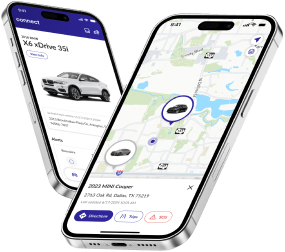
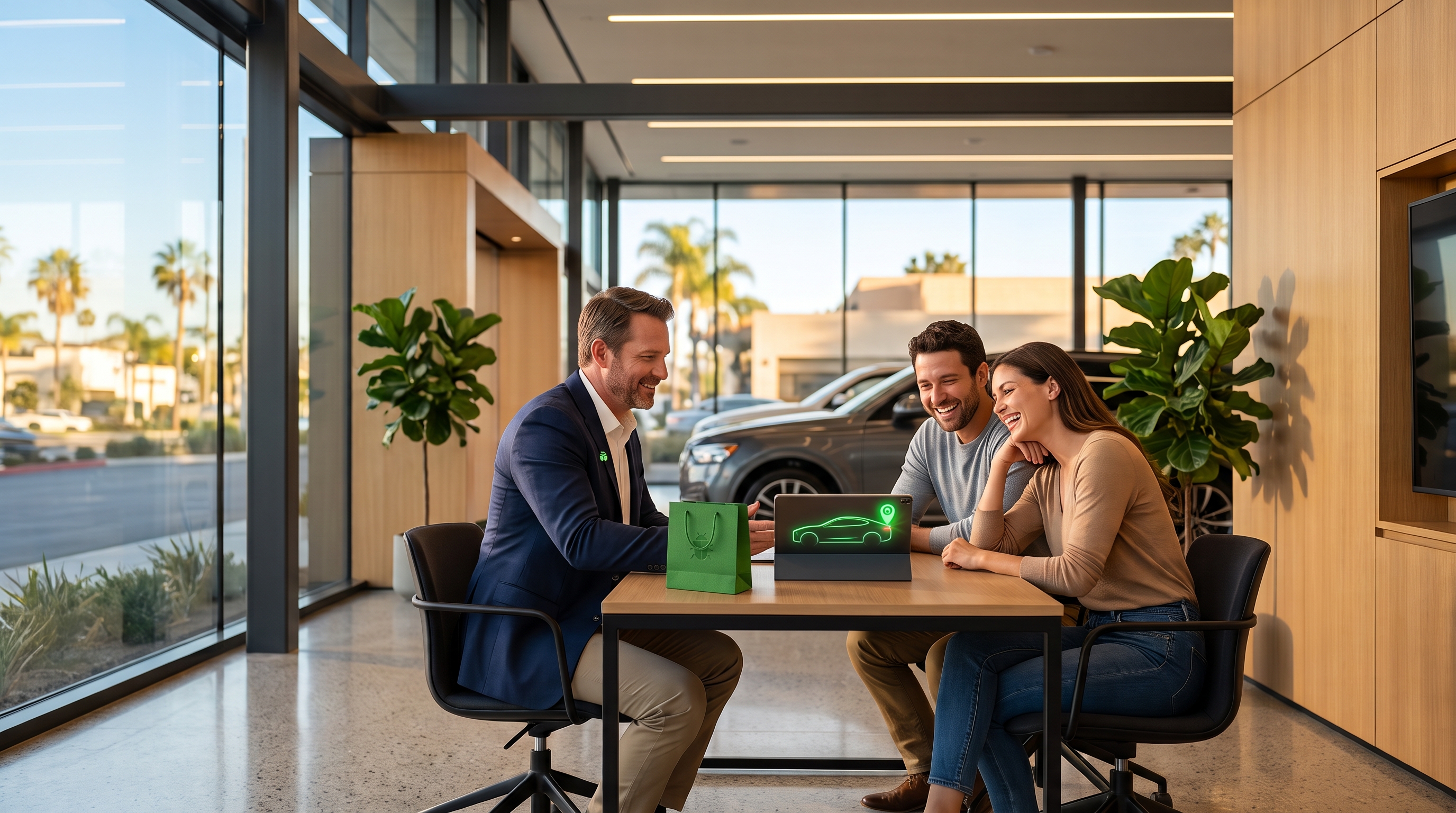
Get an avg. $323 PVR uplift by selling customers peace of mind and theft recovery featuring a $10,000 theft benefit. Your dealer-branded app keeps them connected to you, not the OEM.
Ikon Connected Car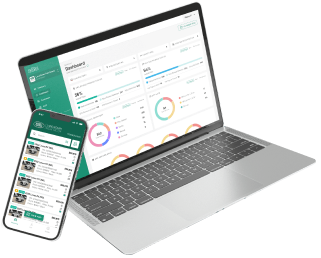
Maximize service retention and increase ROs with our mileage-triggered, automated text campaigns. We text customers at exactly the right time, driving them to your service scheduler.
Ikon Smart Marketing.jpg)


.jpg)