The Ikon Blog
Ikon Theft Protection: How Dealer-Installed Recovery Works and What Owners Should Expect

Ikon Connect is a dealer-installed recovery program built around a connected vehicle device, mobile-app access, and a support process that helps law enforcement locate a stolen car. It is not a DIY alarm, not just a siren, and not a guarantee that theft can never happen.
What buyers usually want to know is simple: what happens before a theft, what happens after one, and what the paperwork really promises. That matters because the daily ownership features, the recovery workflow, and the reimbursement terms are related, but they are not the same thing.
Ikon theft protection is a dealer-installed connected-car recovery program, not a DIY siren, not a standalone alarm, and not a promise that a vehicle can never be stolen. On Ikon’s connected-car platform, the consumer-facing setup is tied to a dealer-branded app experience that includes active theft recovery, geofencing, speeding alerts, a $10,000 driver theft warranty, and a potential 15% insurance discount, depending on the program and insurer.
Delivery is where this product either makes sense later or turns into a customer-service mess. The dealer should confirm the device is active for the consumer, finish app registration, verify the phone number and email on file, and teach the buyer where stolen mode sits inside the app,. The Ikon Connect FAQ also says there are no monthly fees, which is useful to explain early so buyers understand the value story and the ownership cost.
One more point matters in real-world delivery. If the customer changes numbers, sells the car, or buys a used unit that already has an installed device, they should confirm account status instead of assuming access transfers automatically. The same FAQ says a device can be moved to another vehicle by plugging it into the new vehicle and calling support to register it, which tells you registration control matters just as much as hardware presence.
Speed matters here, but so does order. The owner must notify police within 24 hours after discovering the theft, provide documents including the police report and registration, and that benefits are paid within a maximum of 60 days after all claim requirements are met. You can review that directly in the current vehicle theft protection certificate.
Have the VIN, plate, police report number, last known location, time last seen, and whether both keys are accounted for ready when you make those calls. Do not try to recover the vehicle yourself. Claim windows, eligibility, and document rules come from the certificate, not from assumptions at the sales desk or what somebody remembers from delivery.
Theft protection is usually sold as two things working together, recovery support and a reimbursement benefit. Buyers need to understand that the payout side is not universal. The clean way to verify coverage is to check the contract for term length, unrecovered-theft trigger, deductible help, rental allowance, replacement-vehicle credit, exclusions, and claim deadline. Insurance still matters because these benefits are typically secondary contract benefits with caps and conditions. They are not a substitute for comprehensive coverage, and they should never be presented that way in F&I.
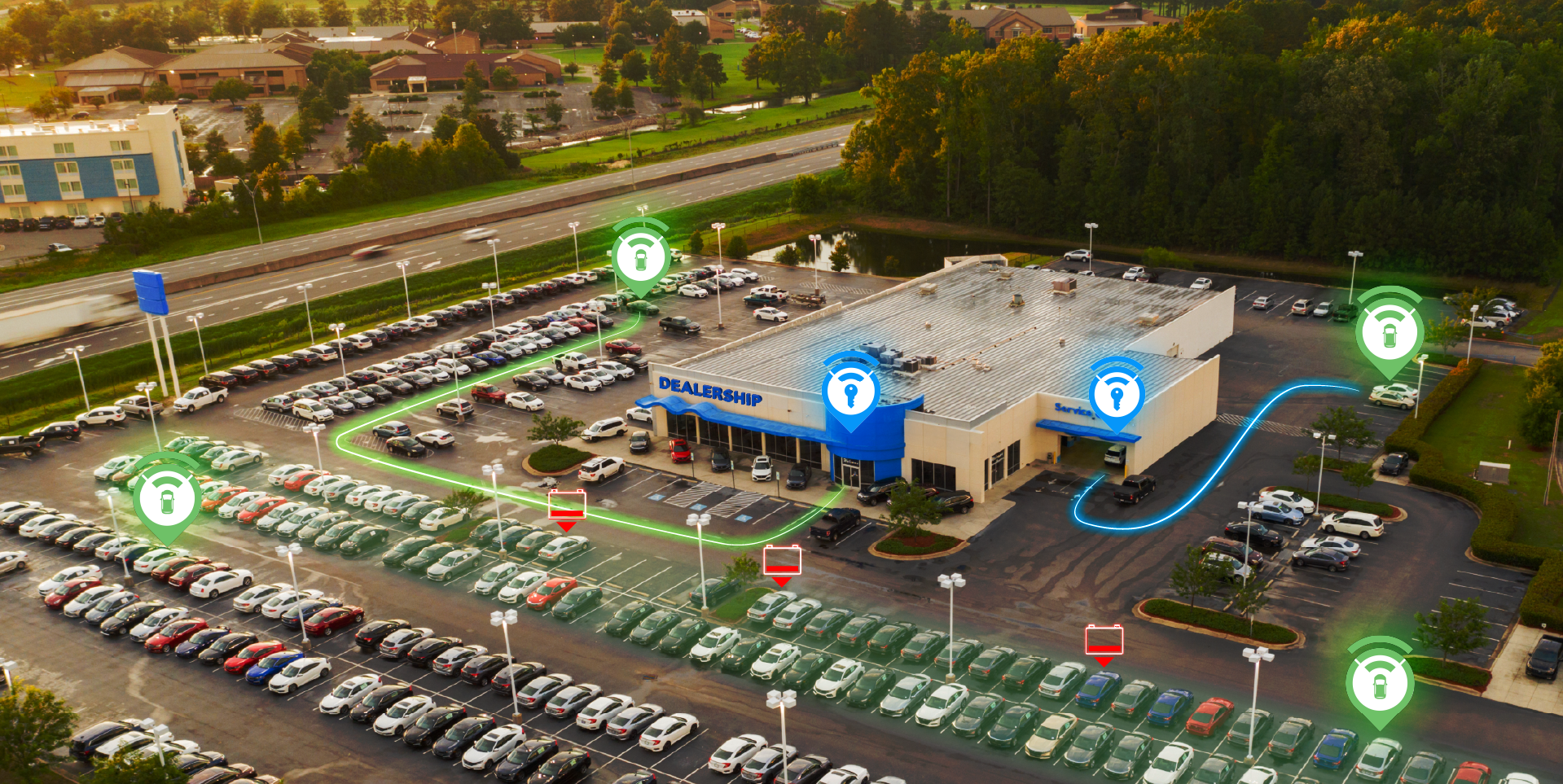
From the store side, the same hardware can do more than one job. On Ikon’s lot management page, the company cites a 99.7% recovery rate, an 18-minute average vehicle recovery time, and a $3,000 dealer theft warranty. That tells you why dealers look at this as more than a retail add-on. It supports inventory protection, speeds up theft response, and gives F&I a product customers can actually understand when it is explained correctly.
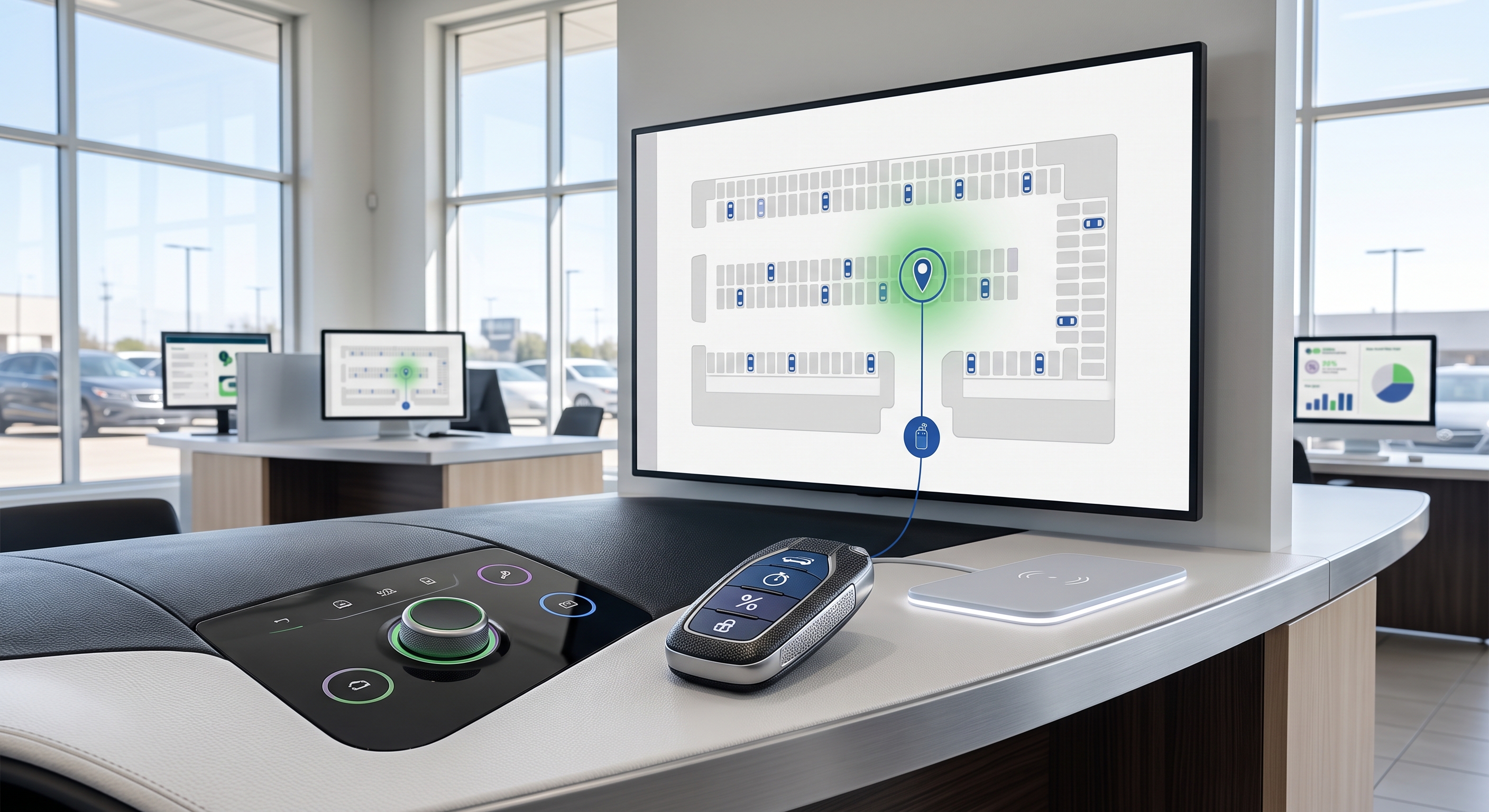
The stronger customer value story is straightforward. Dealer-installed recovery tech works differently from a passive deterrent because it connects the vehicle, the app, the support team, and the paperwork into one process. When onboarding is tight, the owner leaves knowing how to use the app, what to do in a theft event, and what the certificate does and does not promise. That handoff has a direct effect on retention and customer satisfaction after the sale.
Theft protection should be sold with a clear price, a plain-English explanation of what the device does, and an equally plain explanation of what it does not guarantee. The FTC’s current auto retail rule text does not include the originally proposed cash-price-without-optional-add-ons disclosure requirement in the final rule, but the FTC still separately states that dealers must not charge consumers for optional add-ons without clear consent and should disclose that add-ons are not required. That makes accurate menu presentation and written authorization the right compliance habit even without overselling the rule itself.
Expectation management matters just as much. Dealers should never promise theft cannot happen, never imply every claim pays the same amount, and never assume the customer will remember verbal disclosures six months later. Good process here is just sound dealership practice, not state-specific legal advice.
Ikon theft protection works best when everybody treats it for what it is, a dealer-installed recovery system with app-based support and paperwork-backed benefits, not a magic shield. For owners, the two big disciplines are setup before anything goes wrong and fast, documented action if a theft happens. For dealers, the win is cleaner delivery, cleaner disclosure, and fewer surprises later.
Ikon theft protection should be framed first as a dealer-installed recovery system with app-based support, not as a DIY alarm or a theft-proof promise. Owners need proper setup before any theft and fast, documented action after a theft. As a hardware-add, there are no cancellations or chargebacks, but by selling value, setting expectations correctly, and making the paperwork easy to verify later, it serves both sides of the deal.
In most cases, no. You should always contact Police first, then activate Stolen Mode or contact support if you don't have the app. Have your VIN, registration, and last-known vehicle details ready.
When a vehicle is stolen, time is of the essence. Missing setup can affect benefit eligibility later, but both dealers and consumers can also reach out to Ikon Customer Support for immediate assistance.
No. Current Ikon-backed warranty language says benefits are available only to the extent they are not duplicated by insurance, warranty, or other protection programs. Insurance still remains primary.
No, this is the role of primary insurance.
Ikon does not provide consumer vehicle location data to dealers without a valid legal basis. Buyers should still read the app consent and certificate carefully so they understand what data is used for connected services, geofencing, and theft recovery, but generally, any sharing of data beyond the vehicle owner requires a police or judicial warrant.
Yes. Ikon should be presented as optional, and the FTC has said optional add-ons cannot be charged without clear consent. If a buyer declines the product, the store should document that decision cleanly in the deal file.
Ikon Connect includes an in-app battery indicator, which helps dealers and owners monitor battery status. If a vehicle sits unused for long stretches, check the battery and device connection before assuming the product failed. but Ikon does not drain the battery of a vehicle that is regularly used. There are an increasing number of systems built into the vehicle by the manufacturers that also use battery power, so that's why it is important to use the vehicle every couple week.s
Ask whether the device is active and whether support can register it to your account. Transferred devices need registration support before they are ready for the next vehicle or account setup.
No. Vehicles used for ride-sharing, delivery, rental, livery, and other commercial transportation uses are not eligible for Ikon benefits.
Keep the theft-protection certificate or addendum, VIN, registration, insurance proof, dealer or Ikon contact details, and the police report number once filed. Claim instructions specifically call for police-report and registration documents.
Current Ikon-backed warranty language says no coverage is provided for loss or damage outside the United States, its territories, or Canada. Cross-border use should be checked before you count on the benefit.
.jpg)




.jpg)